


Coco, originally from guangxi, is one of guangxi's specialty crops that is well received by its unique taste and nutritional value. As market demand grew, more and more farmers began to try to grow taro porpoise. This paper will provide a detailed description of the techniques used to grow tacos, and will help farmers ' friends to better master planting techniques and improve yields and quality。
I. Election of the land
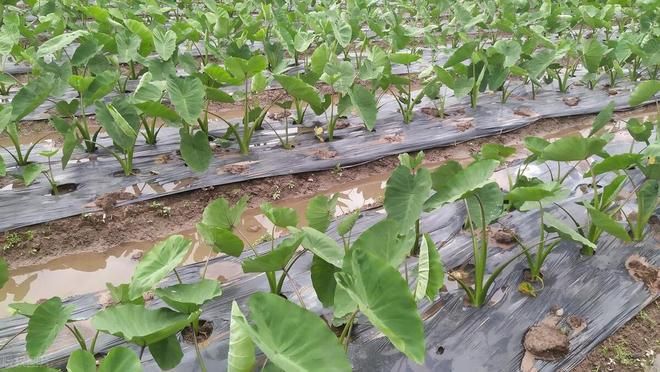
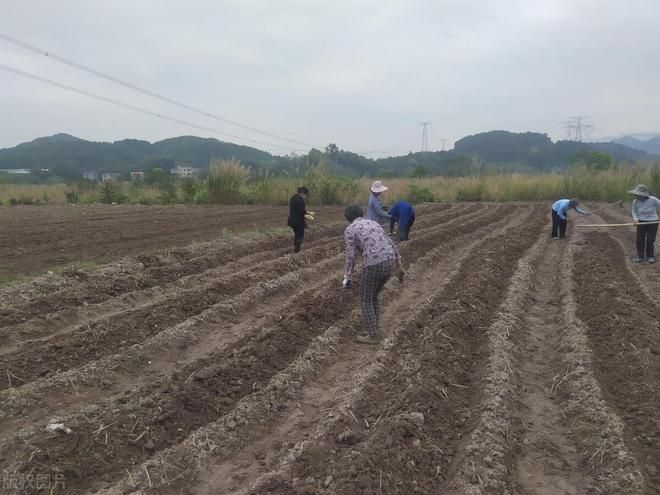
Tacoheads prefer warm and wet environments and are suitable for growing in well-drained and fertile soils. Therefore, in the selection of land, plots of land with high topsoil size, abundant sunlight, fertile soil and sufficient water should be selected. The soil should be removed from the ground as a whole, with a view to removing weeds and stones, so that the soil is evenly broken。
Ii. Fertilizing
There is a high demand for fertilizers in taro porpoise, and adequate fertilization should be carried out before planting. For the whole area, acreage can be applied to more than 2,000 - 3,000 kg of decomposition organic fat and 50 - 100 kg of compound fat. During growth, nitrogen, phosphorus and potassium fertilizer should also be followed up in a timely manner, depending on the growth, in order to ensure robust growth of the plant and increased production。
Iii. Sowning
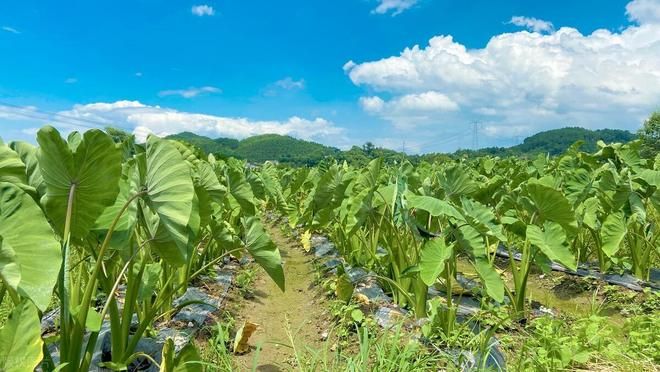
The seeding time for taro is usually in the spring and can begin when temperatures are above 15°c. Before seeding, taro seeds should be tanned for 1-2 days and then immersed in hot water at 50 °c for 2-3 hours in order to promote gestation. When seeding occurs, the seeds are buried in the soil at a distance of 30 to 40 centimetres and 60 to 80 centimetres between lines, at a depth of two to three times the diameter of the seeds. Seeding should be followed by timely water and soil moist。
Iv. Field management
1. Watering: it is necessary to maintain moderate soil moistness during the growth of taro porpoise, but it is inappropriate to overwater the soil so as to avoid disease of the slabs and roots. Water should be watered in a timely manner during the dry season and attention should be paid to drainage and flood prevention during the rainy season。
Weeding: weeds in the fields compete with taro porpoise for nutrients and moisture, affecting their growth. Therefore, weeding should be done periodically during growth and the fields kept clean。
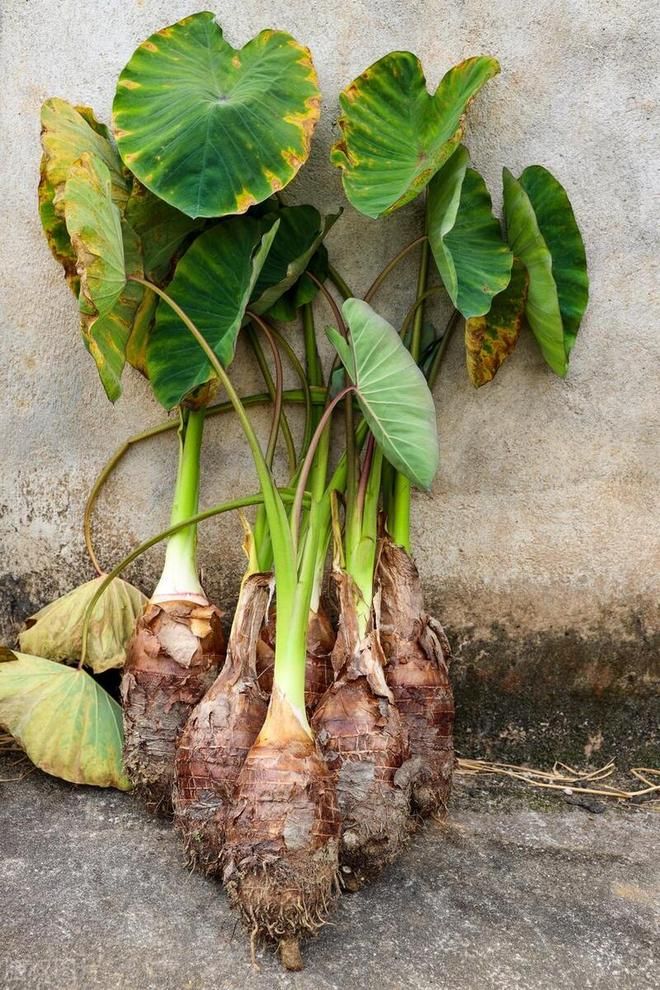
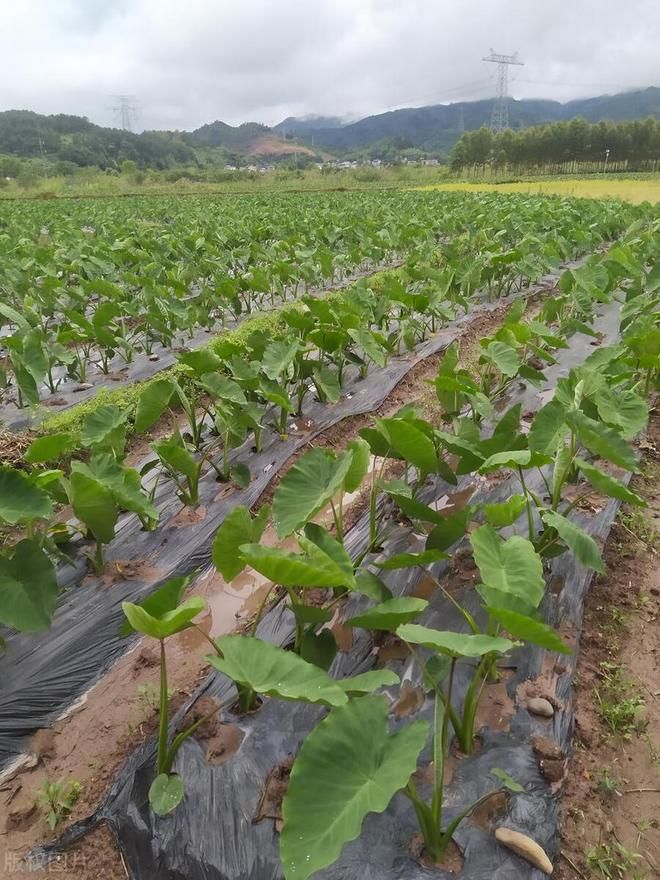
3. Peasant: during the growth of taro porpoise, there is a need for it to promote the formation and expansion of the tubers. When the soil is grown, the inter-clan soil should gradually be grown to the plant base, so that the tacos can be buried in the soil。
4. Pest and pest control: taco capricorn is vulnerable to a number of pests and diseases, such as taro disease, molluscs, and platinum. During growth, plant growth should be periodically checked and pests and pests should be identified for timely intervention, such as spraying of pesticides, removal of strains, etc。
V. Harvest and storage
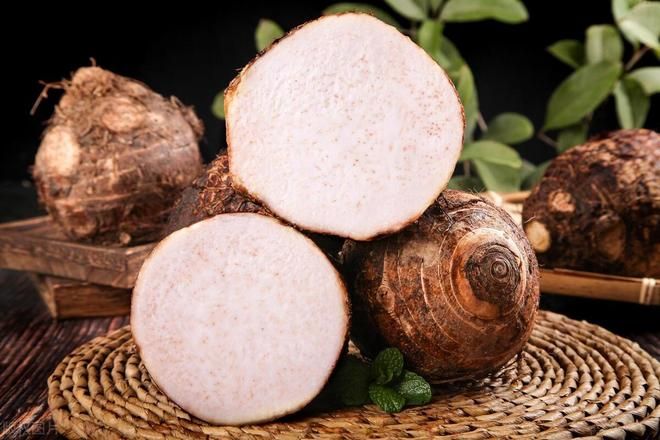
Taro is usually harvested 8-10 months after planting. When harvesting, the taro stem should be removed from the soil, the soil and stubble should be removed, and the skin should be dried up for 1-2 days. Potato is then graded, packaged, stored or sold. When stored, a dry, cool and humid place should be chosen to avoid direct sunlight and high temperature and humidity, which would cause decay and deterioration。
In short, the cultivation of tacos requires some technical and managerial experience. The production and quality of taro in knobs can be improved through reasonable land selection, fertilization, seeding, field management and harvesting storage, with better economic benefits for farmers ' friends. It is hoped that this presentation will be useful for a wide range of farmers' friends。









