


1. Introduction to winter cuisine
Winter cuisine is a common vegetable, belonging to the cross-flower plant, also known as european mustard. It has deep, green and thin leaves, rich in vitamin c and cellulose, and rich in nutritional values. In terms of planting techniques and management, mastery is important for the acquisition of high-yield and high-quality cabbage。
Soil requirements
The requirements for winter cuisine are more stringent, and it prefers to grow in fertile, lax and well drained soils. Before planting, the soil should be sufficiently improved and fertilized to provide adequate nutrients and water supplies。
3. Seed selection and seeding
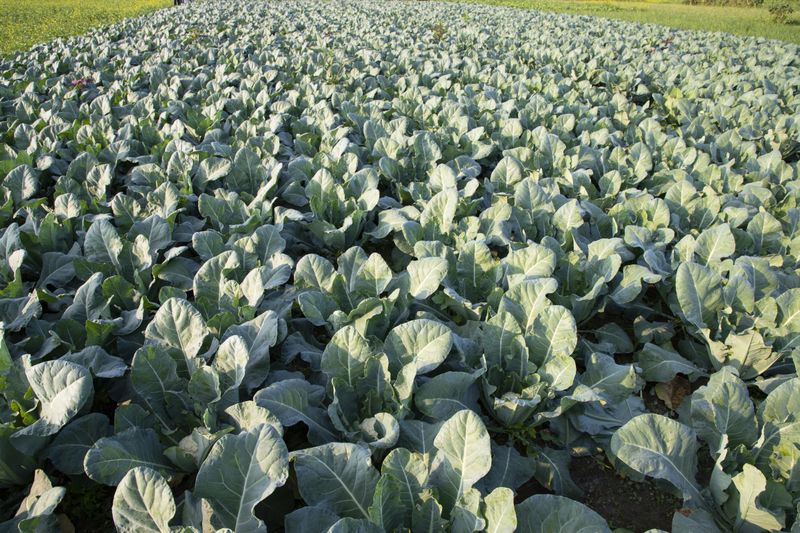
The choice of quality seeds is key to the successful planting of winter cabbage. Seeds with good growth and pest resistance should be selected. Before seeding, seeds can be immersed in warm water, promoting their growth. When seeding takes place, the seeds are spread evenly on the prepared soil and cover a thin layer of soil lightly。
4. Growing environmental management
Winter cuisine is more demanding in the growing environment and requires appropriate temperature and light conditions. During growth, the soil should be wet but water should be avoided. Regular weeding and pine soil is carried out to preserve the air and water retention of the soil. At the same time, care is being taken to combat pests and diseases and to take timely measures to prevent infestation。
Fertilizer application
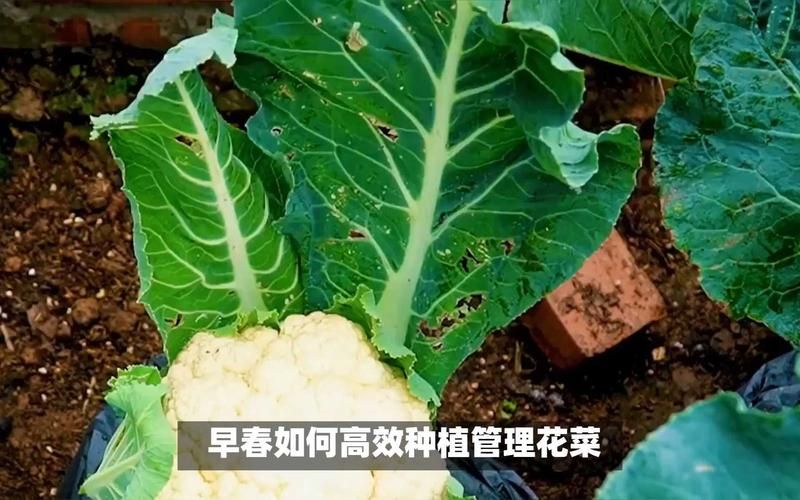
Winter cuisine requires adequate nutrition during its growth. Basic fertilizers, such as organic or compound fertilizers, can be applied before seeding. During growth, nutrients, such as nitrogen, phosphorus and potassium, can be followed in appropriate quantities to promote the growth and development of plants。
6. Pest management
Winternuts are vulnerable to a number of common pests, such as aphids, black spots, etc. A combination of biological and chemical control can be used to combat pests and diseases. Regular inspections and pest removal are carried out and appropriate measures are taken in a timely manner。
7. Harvest and storage
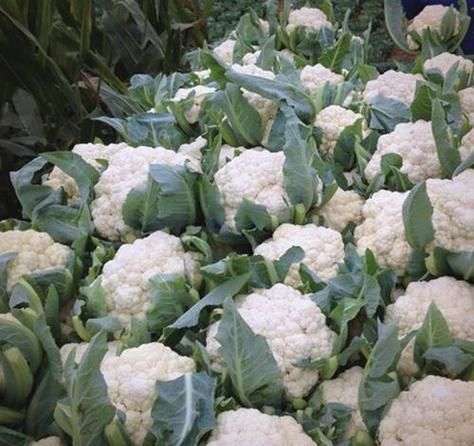
The winter cuisine is usually harvested over a long period of 60-80 days. When the head of the florist becomes tight and solid, the harvest is possible. After harvesting, they should be cleaned and processed in a timely manner and stored in cold, ventilated areas to extend their shelf life。
Through sound planting techniques and management features, high-yielding and high-quality winter cuisine can be obtained. The selection of suitable soils and seeds, the rational application of fertilization and the management of growing environments, the timely prevention of pests and pests, and the proper harvesting and storage are all key to the cultivation of winter cuisine. It is hoped that this paper will help you understand the technical and management aspects of winter gardening。









