


It is more common to have fruit trees, which are non-sexual reproduction, which preserves the intrinsic properties of the ears and the nature of the fruit, and is widely used and important in fruit-planting。
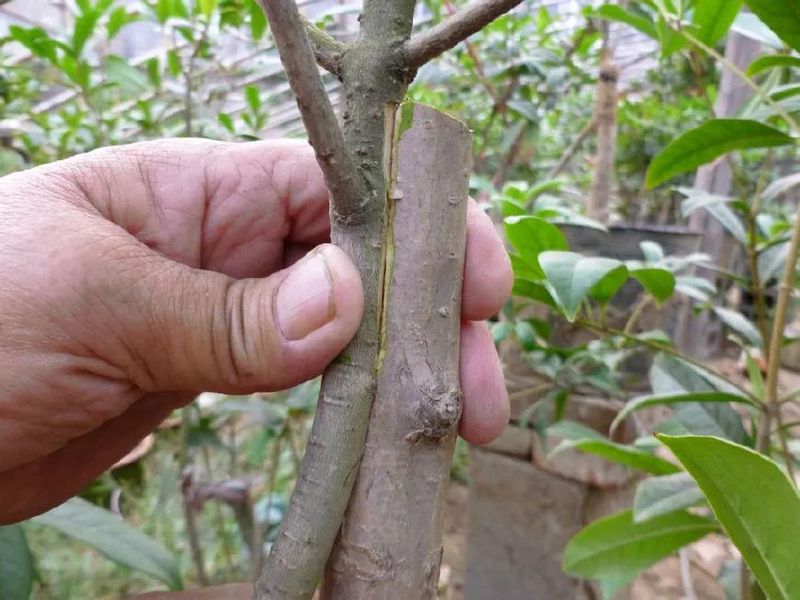
The techniques used for the marriage of fruit trees vary from tree to tree, purpose, time, etc. Here's the 18 ways of getting married. There's gonna be one for you。
One, a thong
The aluminum is cut like a "ding" font, so it's called a thong. And because the sprouts are like shields, also called shields。
This law is mainly carried out during the summer fall season when the cortex is easily detached。
Two, a dyke with wood. Answer
Usually, a thong sprouts do not contain wood, and when one, the cortex is not easily detached, two, the sprouts are not smooth and cannot be removed without wood, and three, the specks are too thin to live without wood。
When these three scenarios exist, more woody dyslexia is used。
Three, embroidery
This is a type of bulging with wood, mainly for spring or autumn applications, and is widely used and efficient, with or without ligature。
Four, bud
This law is also called a whistle and applies when the ear is close to the thickness of the wood, otherwise a tubular sprouts may be used. More on the tomatoes。
Five, sprouts of diamonds
That is, the sprouts are cut into squares, and the lumber is cut open to the same size as the ear, and is applied to the thicker ears and beaks, which are often used in walnuts and high docks。
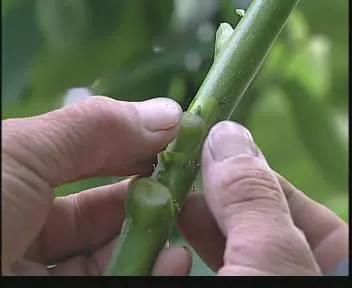
Six, abdominal
The abdomen are slashed downwards on the side of the stem and the method of inserting the ear into the interface. This method, which is more widely used, is used not only for the cultivation of saplings, but also as a supplement to the shortage of branches in high-strength and strewn positions。
Seven, cut
The cut is the method by which the side of the log is cut vertically and the ear is inserted。
Eight, cut
The ripple is a vertical split of the lumber fracture and a ripple into the ear. This method can determine how many, one or four of the ears are inserted, depending on the length of the log。
The severing takes place mainly during the hibernation period of the fruit tree, preferably when the sprouts begin to swell, with the highest rate of survival and a long-term low rate of survival. The act is often used for tree-highs or flats。
Nine, pick up the skin
The subcuter is also called the interpolation, which is the method of indoctrination between the ear and the wood. This method is suitable for the relatively small length of the thicker logs and beams, usually used for high-strength swigs, patches for the cadres, bridges, flats for the trees, etc。
Plugging requires that the bark be separated from the wood part, so that it can only be used during the growing season, usually after the early spring sprouts, when the bark can be skinned off and the ear must not grow, so special attention must be paid to the cold preservation of the earring, the water of the ear, and the bud is dormant。
Ten, tongue
The hype is based on the long face of the ear, which is cut in the form of a hype, which is the same as that of the ear and the wood, and which is then inserted together。
This law is used primarily for the giraffe, the apples, etc., and the tongue requires that the logs be of approximately the same roughness as the ears。
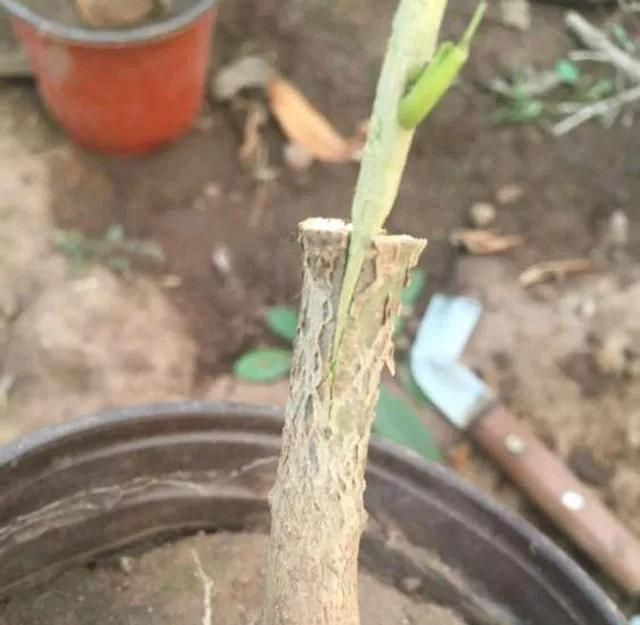
Eleven, stick to the tongue
This law, which is improved on the basis of plugs, applies to the marriage of thicker ears, where the appropriate period is easy to strip away from。
This law is often used for the high walnuts and the nursery in which they are conceived, so that they may be given in when they are sprouts。
Twelve, pick up
The tie is also called the tie, which is a way of cutting both the ears and the logs to the same face, and is attached to each other。
It would be preferable to have the same thickness as the aluminum, so as to align the formations and increase the rate of survival. When different, one side needs to be aligned, otherwise it affects the survival rate。
Thirteen, the young one
This method is used mainly on grapes, usually during the semi-woodization of grapes in april-july, often in the conversion of grapes or in the breeding of seedlings。
Fourteen, high
High-links are connected to branches at all levels of the tree canopy and are generally referred to as high-strengths because they are relatively high。
The high times are mainly carried out during the fruit tree growing season, when the fluid flows, and generally during the autumn. There are three main approaches, namely, high backbone, high branch and multiple head. The main methods used are, single sprouts. Twisted, tweededed, dryed, tweeded, etc。
Fifteen, bridge
The bridge is to be tied to the trunk at both end of the branch, forming a bridge to form a new transport channel of moisture and nutrients, which is usually used to replace damaged bark and restore position. It may also be easier to work with branches or roots that are emerging from the trunks, simply connecting the top end。
The bridge is mainly carried out in the spring, following the flow of tree fluids, where the ears are collected before the fruit tree is sprouts, stored at low temperatures, and kept open during the marriage, usually by an abdomen adhesion。
Sixteen. Double marriage
A second graft on the logs, forming an intermediate seedling of gills, mesmerized gills and varieties, gives the reeds the advantages of both gills and mesmerized。
For example, some pear varieties and pear dwarfs are needed as intermediate pears, such as hade, in order to increase the growth of seedlings。
Seventeen, in-house
Indoor indoctrination, also known as hiccupation, is the method of marrying the ears together with the excavated logs. It is often used for the cultivation of apple shrunk seedlings and grape seedlings。
Indoor indoctrination often takes place in the early spring and can be followed by planting。
Eighteen
The roots are the method of matrimony using the roots of the logs as material。
It is common for trees to leave their beds with some of the roots of the trees, which can be used for breeding. The method used is determined by the thickness of the aluminum, which is usually cut off and more groin。
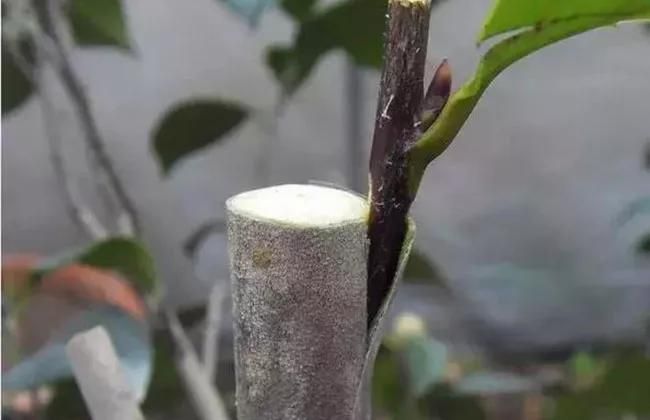
These 18 methods of marriage are common and vary according to tree species, seasons, etc. The choice of the appropriate method will increase the survival of the marriage。









