


How to grow the summer
After the selection, between october and november, the land was reduced to about 20 centimetres and the gravel and weeds were removed and fertilized. Half-summer life is short and has an important impact on it, combining a total of 2,000 kg of applied or composted weight per 667 m2 and 50 kg of calcium perphosphate, which is used as base fertilizer in soil. Before the broadcast, the tillage was turned over again, and then fined to the ground, with a height of 1. 3 metres wide and a ditch wide of 40 centimetres. It is then made into a flat radium of 0. 8 to 1. 2 m wide, 30 cm wide and 15 cm high. It shall be flattened for spring seedling and membrane cover cultivation. The planting of seedlings and the covering of the membranes not only resulted in early seeding in the mid-summer period, which increased the fertility period for more than 20 days, but also helped to maintain the laxity of the soil as a whole, to promote the growth of root systems, to increase the size of the roots in the mid-summer period and to increase the resilience to drought。
Half-summer planting methods
(1) landing
It is appropriate to choose wet, fertilized, lax, well drained, sandy and neutral soil plantations, as well as submersible, warm, summer, wet and misty slopes. Preselection of legume crops is appropriate and can be associated for two to three years. Low-water salinous lands are not suitable for cultivation。
(2) land as a whole
After the selection, between october and november, the land was reduced to about 20 centimetres and the gravel and weeds were removed and fertilized. Before seeding, the tillage is turned over again, with a fine dredge, with a height of 1. 3 metres wide and a gutter wide of 40 centimetres; or when the grounding is followed by a flat beam of 0. 8 to 1. 2 metres wide, with a width of 30 centimetres and 15 centimetres high. It shall be flattened for spring seedling and membrane cover cultivation. In combination, 2,000 kg of cyanide per acre per acre and 50 kg of calcium per phosphate are applied to the ground for base fertilizer. The fertilizer required for semi-summer high-yielding cultivation is better than an acre application of n2o5 = (15-17. 5) = 10. 16。
Half-summer
I. Holding and holding
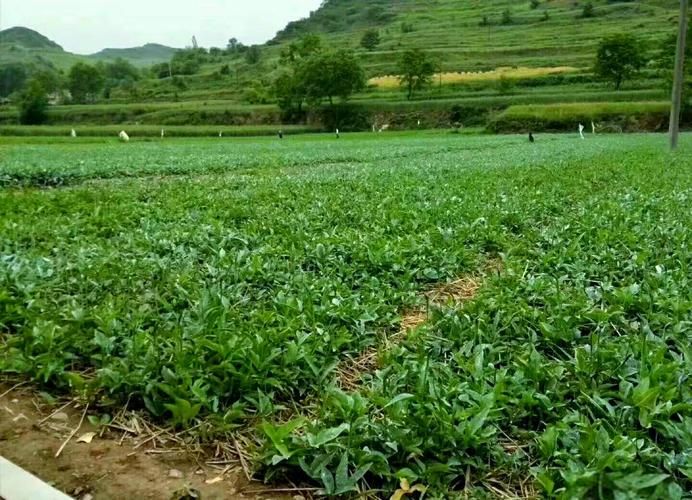
The semi-summer warm and wet climate and the shaded environment, which fear high temperatures, drought and strong light exposure, are suitable for planting in the sandy border soil, which is lax and well drained。
Ii. Sowning techniques
In the case of spring plantings, it is generally 5 cm hot and stable 6°c ~ 8°c in the early spring, when a hotbed or pyrotechnic can be used to seed a tubing. At 20°c or so, 15 days or so。
Iii. Methodology
Half-summer seeds, buds and tubers are three breeding methods. Production is mainly carried out with buds and tubers。
Iv. Field management
1. Timely pursuit of fat
Half-summer is a fertilizing plant, which is followed by fatting, with 1,000 to 2,000 kilograms of manure per acre, followed by multiple fattings by sightings。
Ii. Irrigation and drainage
Half-summer is wet, dry and requires more water. After the membrane is removed, if the soil is dry enough to affect the growth of the seedlings, it should be sprayed with water and not overflow with water。
Three, pick the bud in time
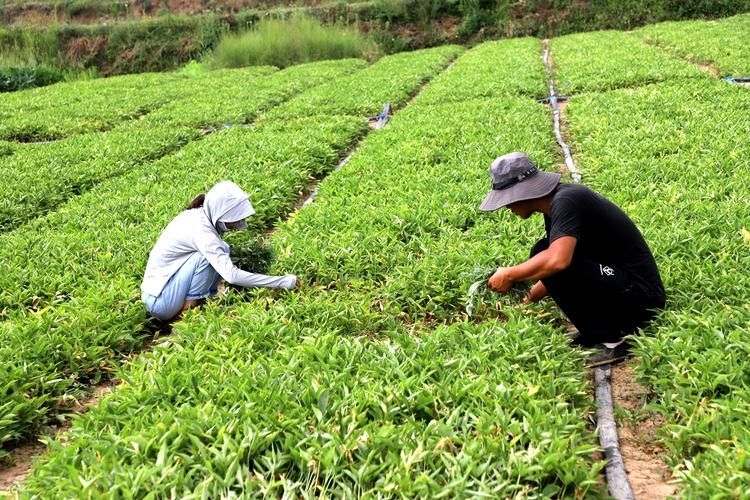
In order to promote the growth of the tubers and to reduce nutrient consumption, when the graft is grown, the flowers are removed in stages。
Four, gemley
Half-summer growth has largely stopped in the summers of hot suns and temperatures above 35°c. If the weather is dry and water is scarce, it is highly susceptible to death. This season is based on the use of ground-based psalm slurry, i. E. Before the harvest (“close” before and after) and after watering or raining, a layer (about 3 cm thick) of wheat slurry or slurry in the semi-summer area can reduce the fall rate by more than 50 per cent and produce will grow exponentially。
Extension:
Half-summer pests and their control
1. Leaf spots and other diseases
Early summer. There are purple brown spots on the leaves, the contours of which are unclear, in an irregular fashion, from light green to yellow green, then light brown, and in the latter period, when there are many small black spots, and when the disease is serious, the disease is full of leaves, which causes the curling of leaves to die. The disease often occurs during high temperatures and rainy seasons。
Method of prevention: 65 per cent of dyson zinc mixed 70-80 grams with ank 20 grams of liquids per acre at the beginning of the disease, or 50 per cent of the polybacteria 800-1,000 times the fluid, or 1,000 times the fluid spray in tobuzin every 7-10 days, 2-3 successive times. Used at intervals of dakonin, shigo and amishida for the treatment of functional anti-bicides. Remove the strain and burn it。
2. Viruses
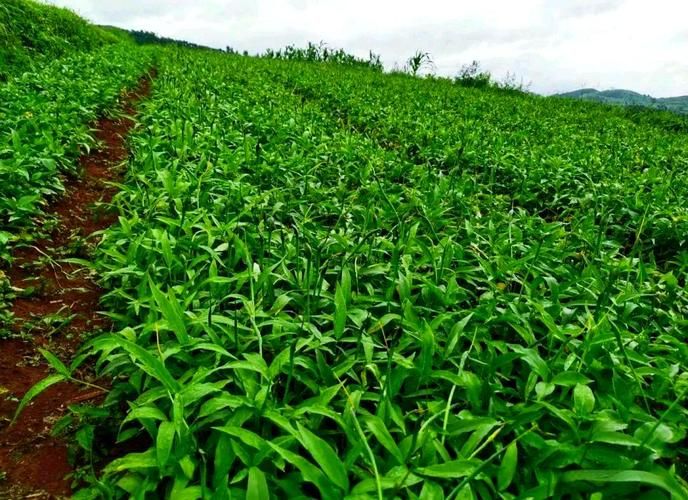
Much in summer. For the whole strain of disease, when the disease occurs, the leaves produce yellow and irregular spots on the leaves, which transform the leaves into the symptoms of flowers, deformation, wrinkles, curls and curls until they die; the plant is poorly grown, the subterranean blocks are small and thin, and the matter becomes worse when the aphid is infested. The disease can cause extensive decomposition of fresh saps during the half-summer storage and en route to transport, often of poor quality and low grade after they are processed into commodities。
Method of prevention: selecting non-pathological plant for seeding, avoiding seeding from disease-prone areas, controlling human transmission and rotation. (b) full application of organic fertilizers and proper follow-up of potassium phosphorus fertilizer to enhance resistance
Aphids such as aphids are eliminated in a timely manner with the help of cedars. The strain was found, immediately removed, and the burials were burned in a concentrated manner, and 5 per cent of the pebble milk was used to prevent its spread。
3. Decomposition
This is a common half-summer disease, most of which occurs during hot and wet seasons, endangers the subterranean tubers, causes decay and then causes the death of a part of the yellow sapling。
Method of prevention: select non-pathological plant and preplant with a 50% polybacterial leachate of 1,000 times. The rainy season and heavy rains are followed by the timely drainage of trenches. In the early stages of the disease, 5 per cent of the mammoth canopy was used to prevent spread. At the beginning of the disease, 40 ml of amishda per acre was used for rooting。
4. Red moths and other pests
Summer happens. The larvae eats the leaves, which they eat in large quantities, and when they are serious, they can be emptied。
Methods of prevention and treatment: use of alpha- and kung fu at intervals of 5-7 days, 2-3 consecutive times。









