


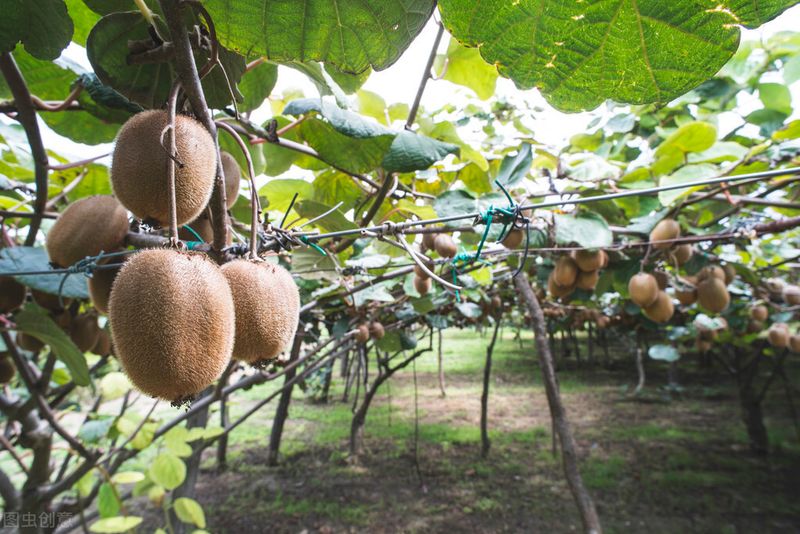
The monkeys are the monkeys, the monkeys are the vines, also known as the omelet, the vines, the pears, the pears, the peaches, the foxes, etc. They are known as monkeys because of their appetite, and they are also known because they are covered with wool, as if they were monkeys。
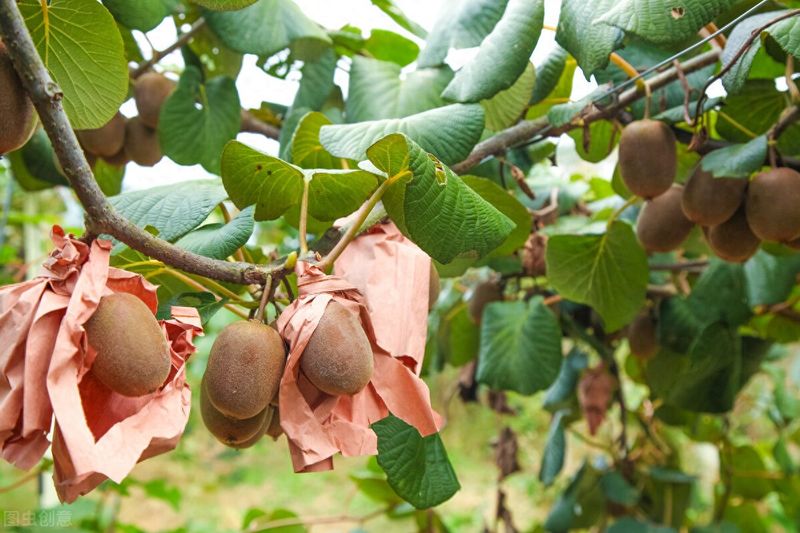
Born in the provinces south of qinqing and wei river, china, the north side of qinqing is the most resource-rich region of the country, with a history of private cultivation over 1,200 years old. There are more than 92 species, variants and variants, of which the highest economic value is chinese and delicious。
In 1904, a new zealand female teacher, who returned from hubei yichang, brought home delicious monkeys that were grown widely in new zealand by horticultural experts, then named yichang jealous, melon, and finally changed to a strange fruit (i. E. New zealand monkeys, famous varieties of hayward, albert, allison, bruno, etc.). The fruit of the monkeys is of rich nutritional value, of which every 100 grams of fresh meat contains vitamin c90-420 mg, higher than citrus and higher than apples and pears; it also contains potassium, calcium, selenium, magnesium, zinc, phosphorus, iron, nuclei, iodine and 17 amino acids required for humans, and is dubbed “the king of fruits”。
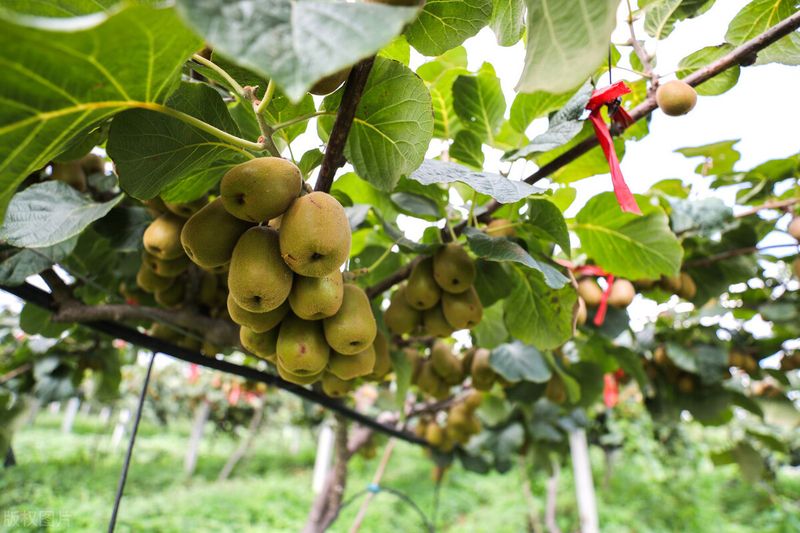
The flowers of the monkeys can be refined with fragrances; roots, vines and leaves can be drugged, and they have the effect of detoxifying and distilling blood. In addition to growing as a fruit tree economy, its vines are entangled, its leaves are thick, its flowers are beautiful and fragrance is suitable for vertical greening, for example, of flower shelves, courtyards, fences, walls, etc。
The monkeys are large leaves leaven plants of different species. Males are hairy and small; females are less or less hairy, and flowers and leaves are larger than males. Roots are of the nature of the flesh, ranging from 30 per cent to 50 per cent of the skin; the roots are underdeveloped, the sides and the roots are well developed, and they are shallow and wide-spread, usually in the 40 to 80 centimetres of the earth, which is approximately three times the size of the tree crown. The branches are brown, and the young ones are covered by white star-shaped hairs, or brown, or rusty, hard hairs, which are bald or have broken hair。
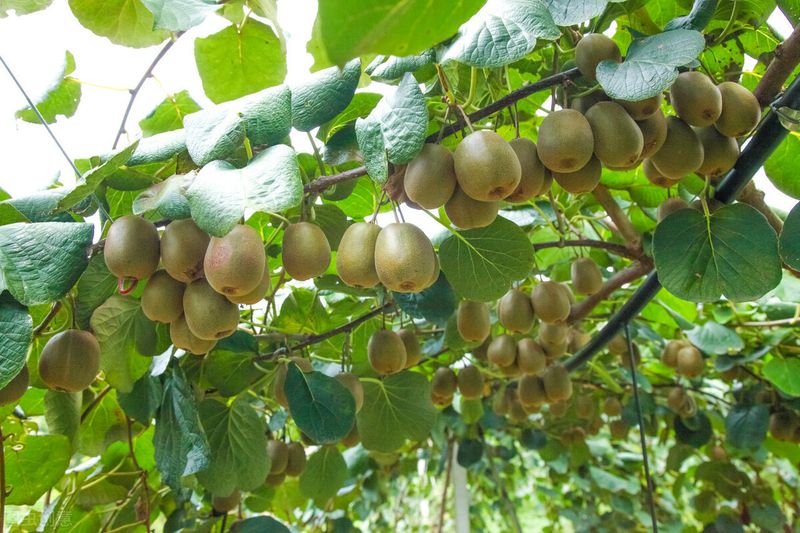
The leaves are paper-based, have no leaves, have no big ovaries or have a large ovary shape to a near circle, 6 to 17 centimetres long and 7 to 15 centimetres wide; the top is flat and dim in the centre, or has a sharp, sharp to short, lean and lean tip of the base, with a blunt circle of the base, flat to a shallow heart, and a small larvae with a straight-stretched edge; the leaves are dark green, without hair, or have a small soft hair on the middle and side of the side, green on the back of the leaves and white or white brown star-shaped hair; the side veins are 5 to 8 pairs, often divided above the centre, with cross-sections that are not visible in net veins; the leaves are 3 to 6 centimetres long, punctured by gray hair, or long yellow, or hard-coloured, or hard-coled, rusted haired hair。
Temperature is the main factor limiting the distribution of the monkey. Each class has a suitable temperature range, and most require warm and humid climates, distributed mainly over a wide area of latitude 18°-34° n (subtropical to temperate zone). When the temperature rises to about 10°c, the bud starts to move, the flower can bloom at more than 15°c, and the result can occur at more than 20°c. When temperature drops to about 10°c, it enters a fallow hibernation period, which takes approximately 210 to 240 days for the entire development process。
They are positive tree species, have half-shadow tolerance, have a cool and humid environment and are distributed between 750 and 1850 mm of annual rainfall. The demand for more even rainfall during the growing season is 70-85 per cent wet air and often cloudy。
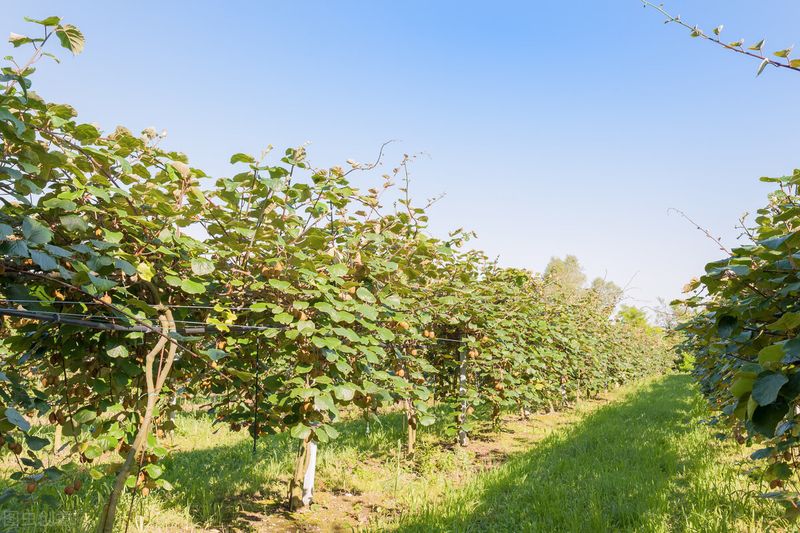
Plumbs are afraid of the sun, wild plants are largely growing on the slopes or semi-pastoral slopes and by the river, with a strong ability to use the light, even if it is not problematic to be attached to tree entanglements; it cannot be disproportionately shaded and, if light is seriously lacking, the branches die。
The soil is more adapted to the ground, with alluvial, yellow, red, yellow and brown, as well as tan-coloured forest soil, dust and yellow sand, with a ph range of 4. 9 to 6. 7, but with a deep layer of fertile soil, a good permeability and a groundwater level of less than 1 metre and a ph of 5. 5 to 6. 5 most suitable。
The distribution of the chinese monkeys ranges from 80 to 2,100 metres above sea level, but is concentrated between 350 and 1,200 metres above sea level. The fruit, distributed at high altitudes, matures later and is more durable in storage。
Monkeys tend to reproduce by matrimony and adhesion。
1. Cultivation of aluminum seedlings。
(1) casting. When the fruit matures in september-october, it is collected and stored at constant temperatures, so that the fruit is ripened and softened, then the seeds are separated from the meat, washed dry, and placed in a gauze bag to store in the drying area。
(2) seed treatment. In order to reduce the number of sprouts that follow seeding, increase the rate of sprouts and promote proper seeding, 10 times the amount of wet sand cover can be treated 15 to 60 days before seeding (as determined by local environmental conditions); or 500 x 10-6 cactin-impregnated seeds can be used to sow 24 hours after room temperature. The combination of the two is more effective。
(3) seeding. In general, seeding takes place between late march and early april. The seedbeds are prepared before planting, and the soil is fine because the seeds are small. More is used to sow, 20 cm apart, open shallow trenches, about 1 cm deep, so that the hidden seeds are evenly scattered into the ditch with sand, and then sift over the seeds with fine holes, around 3 mm thick, and then cover them with straw, so that they can be washed with straw and rainproof。
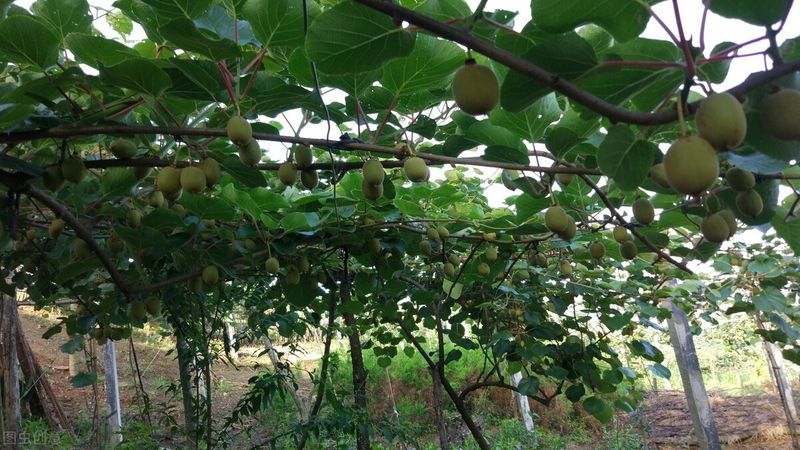
(4) shrimp management. The seeding is followed by wetting of the nursery soil and spray treatment when water is scarce. Some 10 days after seeding of sand-treated seeds is planted, some of the straw is removed when 20 per cent of the seed is produced and all of the straw is removed when 80 per cent of the seed is produced, and the sun is immediately covered to prevent the burning of the seedlings in the summer. When the seedlings grow between three and five leaf leaves, the seedlings shall be sown; they may be replaced or otherwise replanted, the roots of the seedlings shall grow and flourish, and the rate of growth shall be high. From mid-june onwards, it was possible to use decomposed, thin, fat water, and about 0. 3 per cent of the potassium phosphate leaf sprayed, once a month until september, to promote robust growth. In addition, sunshields could be removed for seedlings in late august, and weeds could be uprooted in a long-term and timely manner, and management such as rainy season drainage and dry season watering could be completed。
2. Marriage。
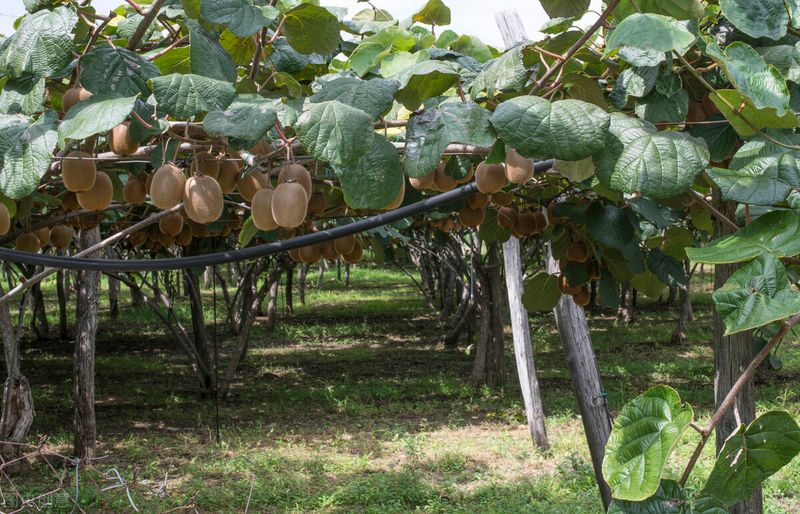
Plumbing and branching can be used, and can be contracted when the sapling is more than 0. 6 cm thick. The sprouts can take place in the first half of june and in the first half of september, generally using the “ding” sprouts. The branches should be carried out prior to the early spring break period (the duration of which is usually mid-february to mid-march), with the selection of a full year branch of a good variety, each of which leaves a full sprout, cutting at 1. 5 cm above the sprouts (because the sprouts are susceptible to drying up, and a branch is left over the sprouts to avoid the strangulation)。
A branching method may be used to cut or cut. If the logs are dug up in the room for rooting (cut or tongue) and then planted in a nursery, the incidence is higher during the runoff or on rainy days. In addition, there are single buds (which can be carried out before or for a long period of time), roots (which take place before they are budding, which removes the “mouth” specter from the ear, and the “mouth” skin from the logs, which fits). The sprouts should appear at the time of binding, whether they be sprouts or branches。









