


For some time now, the world has been hit extensively by the impact of extreme weather events, and agricultural production has suffered unprecedented disruptions。
Over the past three decades, the combined production losses from cultivation and livestock have amounted to nearly $4 trillion, which is no small amount。
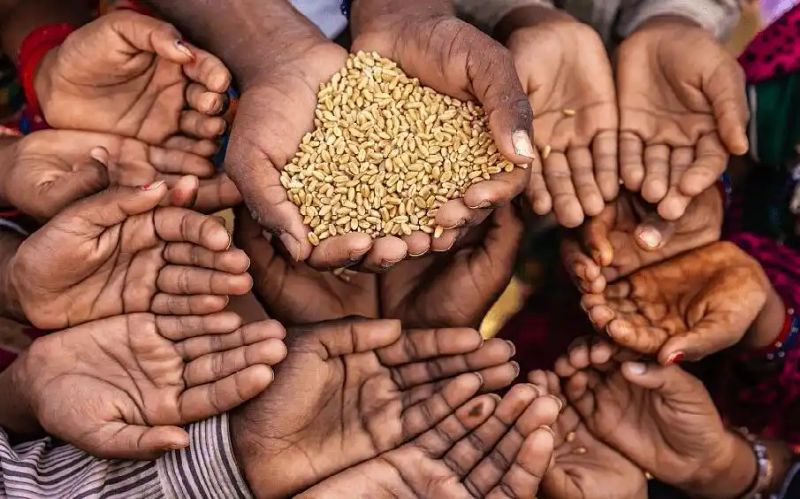
Even more striking is the report issued by the united nations environment programme, which indicates that as many as 783 million people around the globe have suffered from chronic hunger, and that many regions are facing a growing food crisis。
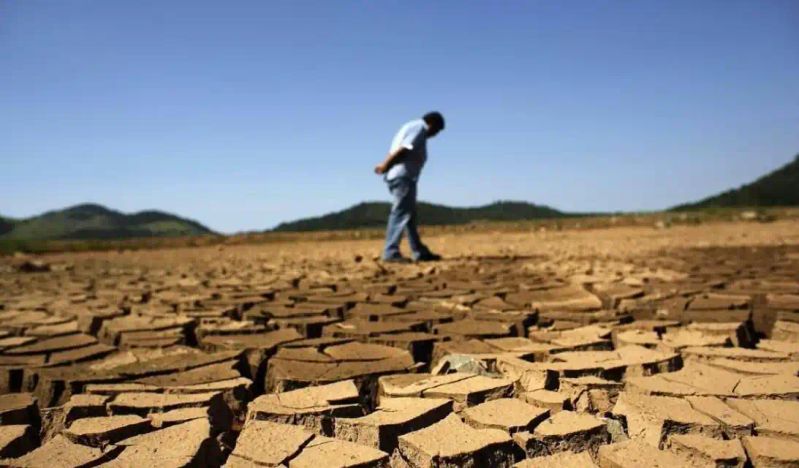
It is well known that climate is of great importance for agricultural production, and if extreme weather conditions persist on earth, should we consider alternative areas for agricultural development, such as growing vegetables on the moon
Moon cultivation
Four years ago, the zenit five successfully returned to earth, not only to complete its mission, but also to bring back to us a special lunar gift — the soil sample of the moon。
And that's why you're so curious: "what can this moon be for? Can we grow potatoes and tomatoes on them?"
But the experts tell us that the moon is not the same as the earth's soil, and that there's no organic nutrient in it, and it's particularly dry, like sand in the desert。
So, if you want to plant it, it doesn't seem to work。
But it's not frustrating, and scientists are still trying to see if they can plant something on the moon。
The cultivation of the moon is a plant-planting activity on the moon。
Research has shown that there are many minerals in the soil of the moon that are useful for plant growth, such as iron, calcium, magnesium, phosphorus, etc., which makes it possible to plant the moon。
However, the environment on the moon is harsh, with no air, no water and no temperature. Cultivation experiments need to create an enabling environment for plant growth on the moon through soil improvement, appropriate lighting and temperature conditions。
Of course, there are greater challenges, such as how to keep plants longer and more productive on the moon, and how to reduce the costs and risks of space agriculture。
In 2022, the united states successfully planted plants with soil previously brought back from the moon。
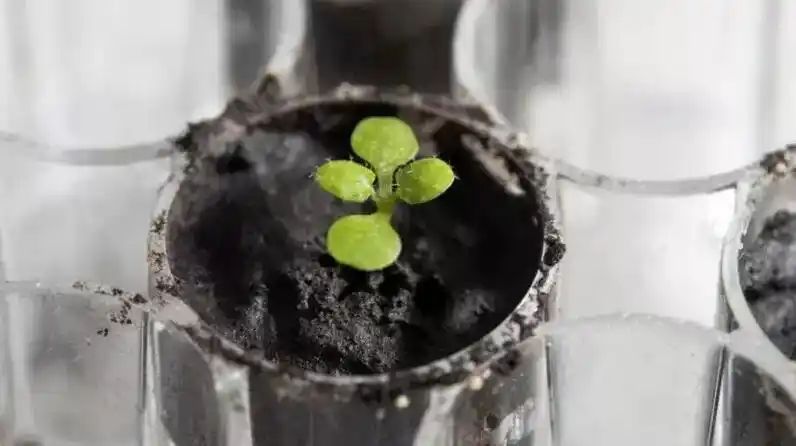
Recently, nasa also planned, in 2026, for the artemis iii mission, to have astronauts perform a mini-greenhouse experiment on the moon to see how plants grow under the particular conditions of the moon。
It is understood that the experiment will be the first project in the world to observe plant photoco-operation, growth and systemic stress under space radiation and partial gravity。
It means that we are one step closer to the dream of growing the moon。
Does china have a plan to plant the moon
This time artemis iii mission was to construct a mini-temperature on the moon to conduct field plant planting experiments。
The experiment drew not only on the experience of the united states on the international space station of growing plants using led lamps for many years, but also on the extension of led plant lighting to the moon。
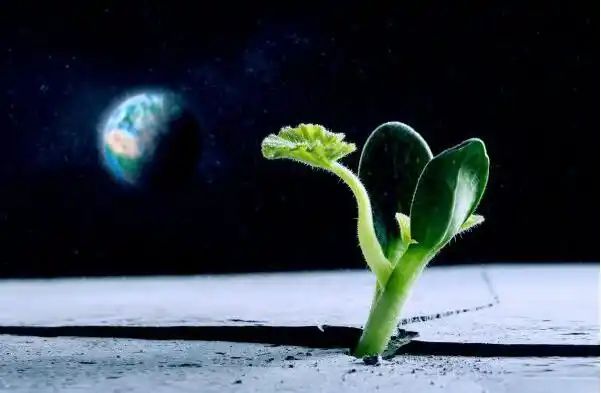
The greenhouse can provide a relatively stable growth space for plants in extreme moon conditions。
The greenhouses are equipped with full light, temperature control and water cycling systems to ensure normal plant growth in such environments。
At the same time, scientists have carefully chosen the types of plants suitable for the moon environment, which not only meet food needs, but also remove carbon dioxide from the moon environment, provide oxygen and help clean water sources。
To ensure that plants are protected from the extreme conditions of the moon, the greenhouses also provide closed environments that effectively isolate the radiation, extreme temperatures and weak gravity of the moon。
It's worth mentioning that it's not the first time that plants appear on the moon。
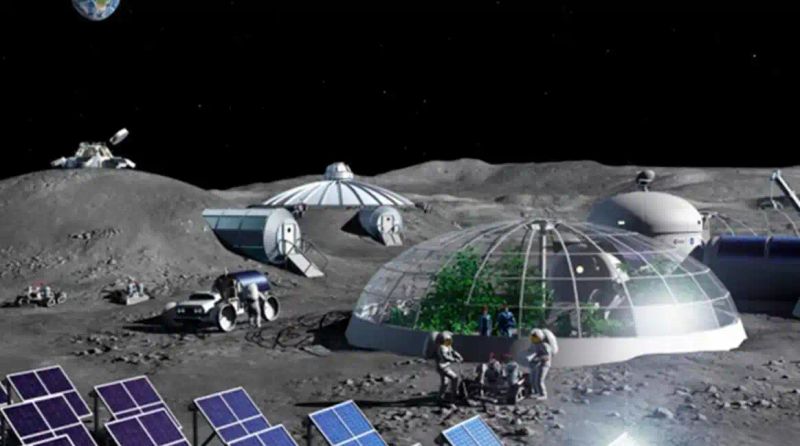
As early as january 2019, in the queitou iv mission, we sent cotton seeds to the back of the moon for planting and successfully germinate them。
Despite the fact that the experiment ended after the landing machine entered the month and night, due to lack of solar energy. But this attempt has provided us with valuable experience and data to help us understand the impact of the moon environment on plant growth。
In my country, a similar lunar greenhouse began research 20 years ago, the most representative of which is the moon house i, which consists of integrated and plant modules。
Current studies are based primarily on ground-based experiments, but there are significant differences in the environment, both above and above, such as microgravity, radiation doses and geomagnetic fields, so we need to study these differences in depth。
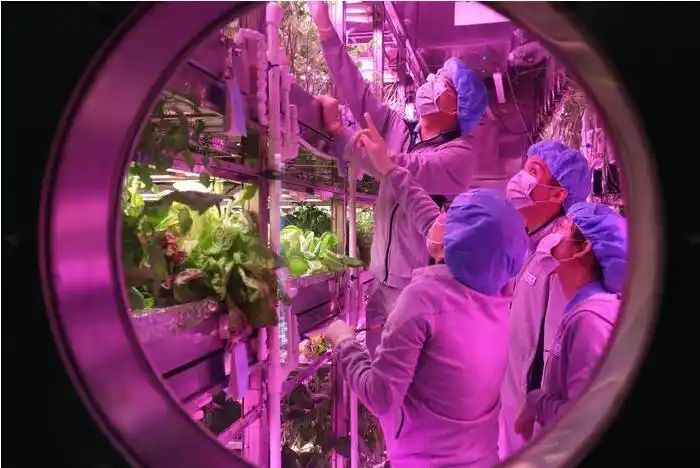
Specifically, the moon i was to be applied to the space station, the moon, through a comparison experiment, to obtain data on the difference between the heavens and the earth, and to construct the algorithm of the corrective system to provide critical support for our future lunar planting techniques。
Does the moon grow food
The united states plans to build a lunar mini greenhouse that will plant three types of plants: kale, plum and mustard。
You might ask, why don't you grow some wheat or corn or something
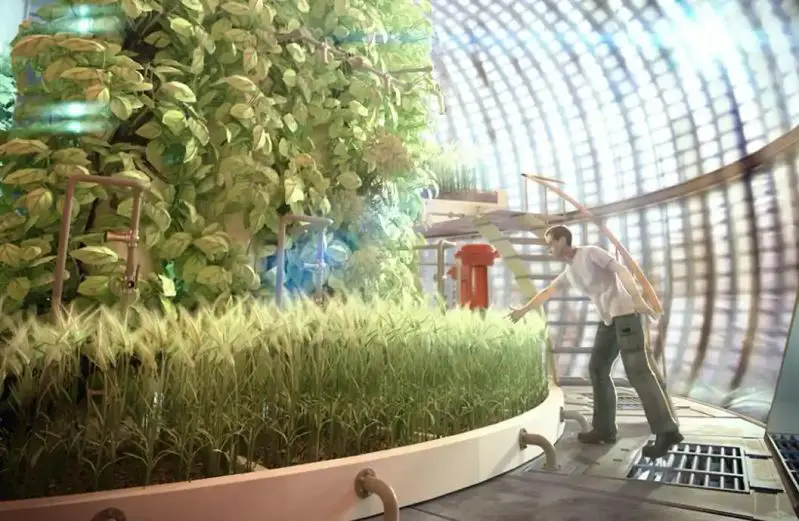
In fact, these three plants, although not a regular on our table, have the potential of space survival。
The short mustard growing cycle in the south allows scientists to observe and study its growth in the moon environment。
Plum is a small aquatic plant with a strong adaptive and reproductive capacity to grow rapidly in resource-limited environments。
The lunar blues, which are characterized by resistance and high nutritional value, can grow well on the moon and can provide astronauts with abundant nutrition。
Growing food on the moon is difficult at the moment, but these three plants are like seeds of hope that we sow on the moon, and they tell us that it is growing, not a dream。
Of course, there are a lot of problems to be solved in order to really plant good vegetables on the moon。
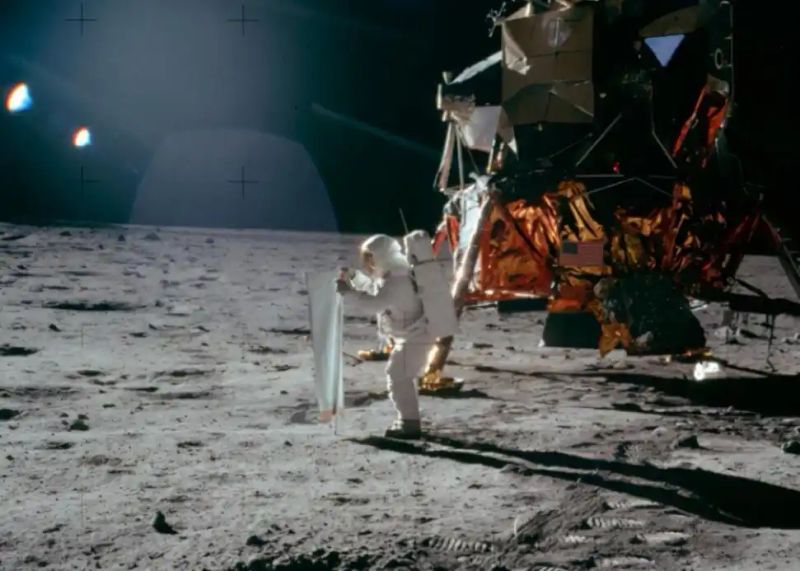
However, with advances in technology, these problems will be taken care of by us sooner or later, and one day we will be able to eat fresh vegetables grown on the moon。
Now that we have taken a substantive step, let's see if the garden on the moon can be a reality









