


You can grow vegetables on the moon? That's too much
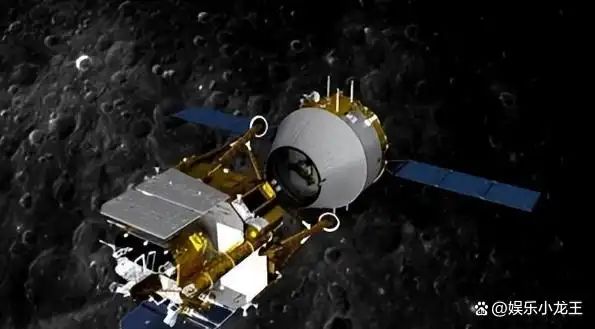
Recently, with the successful return of zenit vi to earth and the return of valuable soil samples from the moon, a lively discussion among the population took place. While scientists are happy with this major breakthrough, netizens have shifted their focus to a funny question: can the moon soil be planted
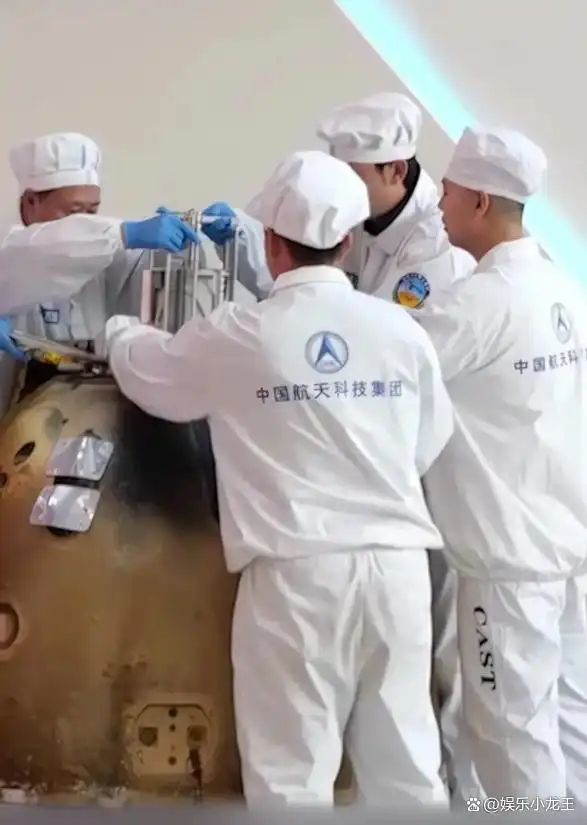
This strange question arises out of curiosity about the moon environment. The mission of zenit vi was to collect approximately 1935. 3 grams of lunar earth samples from the antarctic-atken basin on the back of the moon, breaking global records. These alien muds from 380,000 kilometres away have naturally inspired many fantasies among the pro-poor. There was concern about its research value, and some were curious about its physical properties, but the simplest immediate question was whether it could be grown。
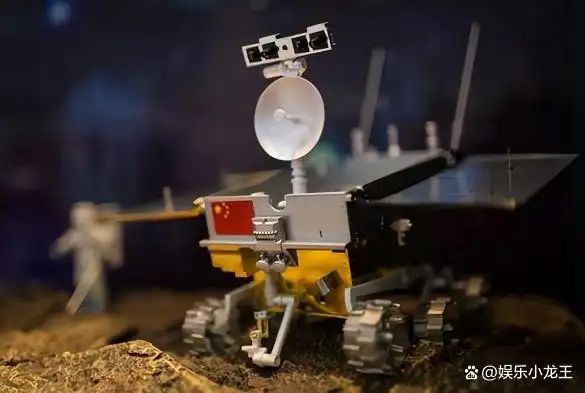
In the face of the imagination of internet users, the internet can only respond positively to this seemingly strange problem. According to the official response: “the soil of the moon is organic and needs to be improved before it can be used for planting, and scientists have now successfully used the improved soil of the moon to grow raw vegetables”. This serious science book, on the internet, has caused more mockery and derision。
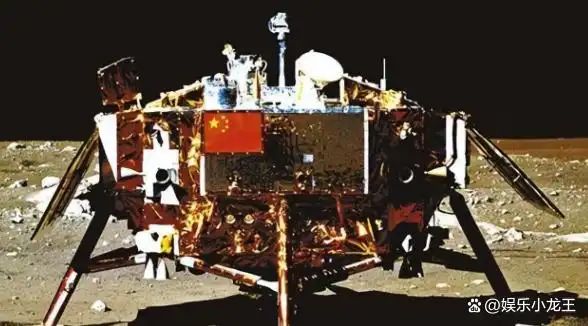
The imagination of netizens is so rich. Some joked, "if a vegetable is planted on the moon, will the moon shine green?" others joked, "the rabbits of the broad cold palace are too old to know if they will be crushed with a high-pressure pot?" these seemingly illogical comments actually reflected concerns and curiosity about space technology。
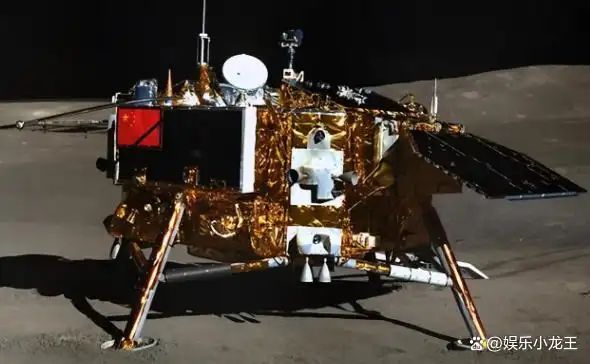
Indeed, humans have tried to plant plants in the soil on the surface of the moon. Before 2022, american scientists had successfully cultivated arab mustard seedlings using the soil of the moon brought back from the apollo mission. Despite their slow and small growth, these plants survive successfully in the soil of the moon. The experiment provided an important reference for the future establishment and permanent residence of the moon base。
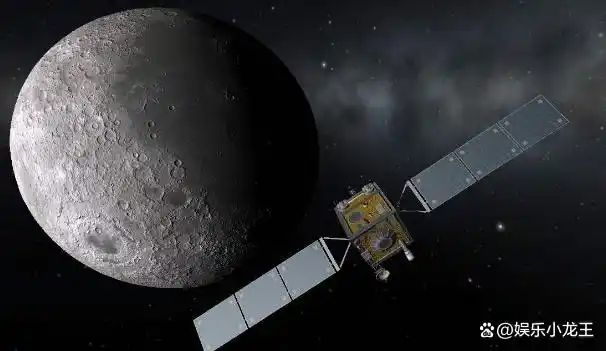
The planting of vegetables directly in the soil of the moon is clearly an unrealistic practice. The moon has no atmospheric protection and is exposed to cosmic radiation for a long time. In the moon, there are virtually no organic substances, microbiological activity is scarce, and essential elements for plant growth, such as nitrogen, phosphorus and potassium, are lacking. Plantation of vegetables on the moon requires large-scale improvement of the surface soil of the moon, input of organic matter and nutrients, as well as addressing the multifaceted problems of water resources and the atmosphere。
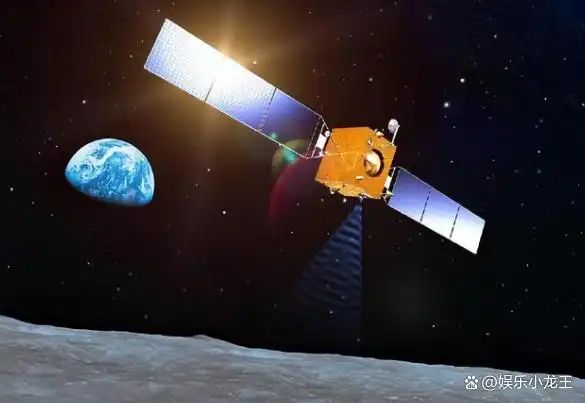
Even so, the members of the internet continue to use their imagination to make them look handsome. Some joked, "if there is no organic matter, then add some organic matter and mix astronomers' grain residue with soil. "and the question was asked, "is there no pests on the other side of the moon?"
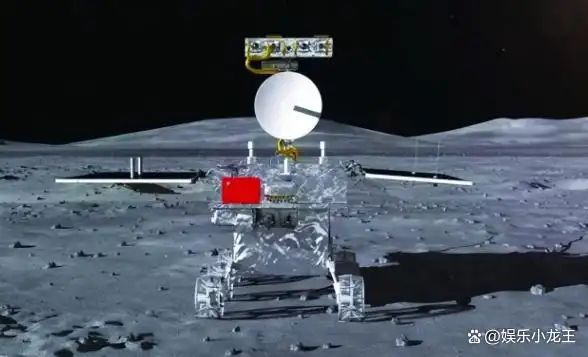
People seem to be rethinking the old saying, "eating is the most important." despite the fact that the moon seems to us remote, the chinese have always put food in the forefront. There are netizens who say, "the land carved into the bones of the chinese, the culture of the yellow emperor, the battle of the zhu" are powerful genes! This way of thinking, which closely links mysterious and deep space technology to everyday life, demonstrates to some extent the unique wisdom of the chinese nation。

While it may seem absurd, discussing the suitability of the soil of the moon for the planting of vegetables reflects public interest and expectations in space science and technology. Since the successful launch of our first artificial earth satellite in 1970, it has now been possible to achieve a sample return of the moon, and the chinese space industry has gone through a very extraordinary journey. Not only have we now achieved great achievements in the areas of manned space and deep space exploration, but we are already leading the world in some areas。

This progress has not only been demonstrated technically, but also in the psychological state of the nation. “seeing the rise of the national aerospace industry from its already insignificant point of view to its far-flung lead today, some netizens are very proud as chinese. It is particularly gratifying to see that many countries are now focusing on china, including the united states.” this sense of pride and achievement is the driving force behind china's continued progress in space。
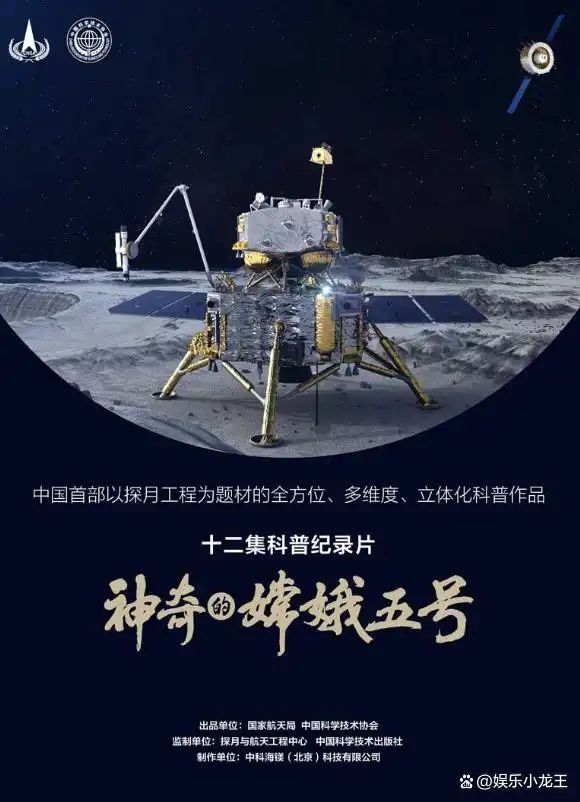
We must also remain rational and humble in celebrating the achievements of space. Many difficulties remain in exploring the moon, and much remains to be done to build the moon base and achieve a permanent presence. We need to have full confidence in our capabilities, while modestly building on the best experiences of other countries and jointly promoting international cooperation for the development of human space。
In this web discussion, triggered by the moon, we cannot help but ask: should more attention also be paid to this land under our feet as we look at the vast universe? Should we also think about how to make better use of the planet's resources in pursuit of the stars and seas to address the real problems facing humankind? No matter how far away our exploration may be, we will always return to earth, because it will always be our home。









