


A number of vegetable farmers have a headache, whether they grow them in the middle of the season or grow them in the open garden: the first two swipes are popular, they're smooth, they're productive, they take two or three. After that, the cucumbers were slowly yellow and early, the female was smaller, the cucumbers were cucumbers and the fruit was not sitting, and either the muscular melons were formed sporadically or the harvest stopped。
Many people feel that the variety is poor and infertile, and that it is fertilizing and pouring water indiscriminately, and that the longer it is managed, the more the harvest period is delayed and the overall returns are reduced。
In fact, nishizu itself has the growth properties of continuous sit-in and harvest-side separation of female flowers, which is less long and is largely the result of a misstep in field management。
In combination with the promotion of practical practices and green farming practices at the grass-roots level, today the four most common areas of crop management mismanagement are being dismantled in the language of the earth, so that the incentives, wrong practices, rehabilitation programmes and quantities used are fully understood, farmers can act in a manner that slows the premature decline of their plants and allows them to harvest successively, stretching the harvest cycle and boosting total production。
The full text is consistent with the green planting policy and the use of fertilizers and pesticides is in accordance with agricultural input norms. The data are derived from actual field tests and can be used directly。
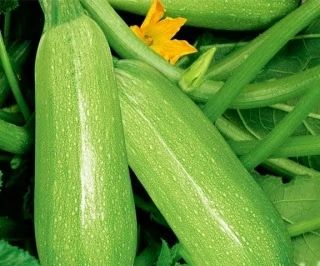
I. The first area of error: water fertilization mixed up with either the burning of roots or the premature loss of nutrient imbalances
While the guacamole consumes a great deal of nutrients successively, and the loss of nutrients following a few harvests is at the heart of the strangulation, the vast majority of farmers use fertilizing water at two extremes, accelerating the aging of roots, stopping the spores and the management errors that are most easily overlooked。
Common error operation
1. All-round application of nitrogen fertilizers, with the vines and vines standing aside. Melon
After planting, urea and high nitrogen compound fats were sprayed in the early days of the melon, and the larger the leaves were felt to be。
Nitrophosphate absorbs nitrogen fattening at a much faster rate than phosphate potassium fat, excessive nitrogen fattening causes nutrient growth to stifle reproduction, vines and vines to grow wildly, and leaves to be fatter and green, large amounts of nutrients to be supplied to the tubers, and female dichotomy to a lesser extent, and existing melons do not compete for large areas of nutrientized melons。
After two or three harvests, the stocks of potassium phosphate in the plant were depleted, the roots were rapidly reduced in vitality, and they had a direct early breakdown。
A comparison of grass-roots agrotechnic fields shows that long-term monolithic fertilization plots are approximately 40 per cent shorter than the nitrous phosphorus potassium-balanced fertilized plots for a continuous cycle。
2. Septic direct, one-time fat-burning root
Some farmers save money by placing under-composed chicken dung and sheep dung directly around their roots, with the fertilizer fermenting twice to produce high-temperature burns of fine roots, while others see slow growth of the melon, large single-time application of complex fertilizers, sharp rise in soil solubility concentrations, re-permeability of the roots and loss of water, as well as burning of roots and foliage。
The erosion of the roots is followed by a sharp reduction in the ability to absorb fat, and it is difficult to absorb fat even later, and the sting is naturally slow。
3. Water pouring and watering and watering
The evaporation of the blades is large, but the roots are shallow, and they are extremely afraid to accumulate water。
It is either long-term flooding, infestation, poor permeability of the soil and lack of oxygen, or chronic dryness and lack of water, soil slabs, and the precipitous expansion of the guacamole to form rigidity。
Field observation, the incidence of root causes, which often exceed 65 per cent, is one of the main contributing factors to post-middle-term disruptions。
Scientific rectification exercise
1. Phased matching of fat, mainly high potassium, and balanced completion of nitrogen phosphorus
Every acre is applied to fully fertilized farmers with 2500-3000 kg + 40 kg of balanced compound fertilizer (15-15-15) and the rise of the plant avoids the accumulation of root water; the first time, after having been held steady up to 6-8 cm, acre is followed up with potassium soluble 12-15 kg; and once per two harvests, 20 kg of complex fattening is applied to each acre, leaving shallow trenches 15 cm from the main root to avoid direct contact with the roots。
The leaf is sprayed with 0. 2 per cent of potassium phosphate + boron fertilizer every seven days, with two to three consecutive times, promoting the separation of female species, increasing melon resistance to malformation and slowing the aging of the leaves。
The use of unfertilized animal manure is strictly prohibited, and agricultural fertilizer must be re-used after more than 60 days of closed fermentation, consistent with policy requirements related to surface-source pollution management and the substitution of organic fertilizers for fertilizers。
2. Watering follows dry and wet, with small underwater water
The finger is inserted into the soil, the depth of the 3 cm earth layer is dried and rewatered, the choice is to have a small morning water irrigated in the middle of the sun, which is used under the membrane, so as to eliminate the flooding; the field is planted in the open and pre-empted drains of the field, and the area is drained within two hours of the rain and the rainy season is less frequent。
Water was poured once during the guacamole season of 7 to 10 days, and the cryogenic sheds were properly stretched to water intervals, taking into account temperature stability。
Ii. Second error zone: failure to leave the whole leaf behind, loss of light on the leaves, disease and depletion of nutrients
Many farmers are in error zones: the more the leaves work, the more the leaves work, the more the luminous, the more the leaves cannot be alienated, the more the leaves grow, the more the leaves grow, the more the leaves grow, the more the leaves are folded, and the more the light is very poor, not only the inefficient consumption of nutrients, but also the greater the risk of disease, which results in the premature loss of flowers and guacatos。
Common error operation
1. Long-term non-cleaning of the bottom yellow leaves and patches
After two or three harvests, the leaves that are planted below the plant, which are within a distance of 5 cm from the ground, gradually grow old and yellow, are extremely inefficient and are constantly consuming root nutrients; the leaves are attached to the surface, watered and damp for a long time after they have surfaced, and are highly susceptible to white powder, frost, as well as greyy diseases, and the fungus follow the leaves, which infest the roots and larvae, causing rot and death。
2. All chickens, extra breeches, and nutrients
The most powerful is the corrosive sprouts in the cauldron, which, if preserved in their entirety, will be split into large amounts of nutrients, slow and slow expansion of the corrugation of the corsets and the female division of the corsets; the entanglement of the vines, the depression of the fields, high internal humidity and a significant increase in the probability of fermentation。
3. Untimely chickens growing on the ground
Growing in large sheds is left to the ground with vines, leaves exposed to the soil are susceptible to disease, vines are bent and squeezed to influence nutrient transmission, and later periods are becoming weaker and unable to sustain the melon。
Scientific rectification exercise
1. Timeless removal of old and sick leaves and reasonable leaves
Select a clear morning operation to avoid the wetness of the wound; after the harvest of two pieces, the yellow, sick and paste leaves are removed from the lower part of the plant and 12-15 robust leaves are preserved it is possible to achieve a significant reduction in the probability of disease due to increased ventilation in the inter-branch light after leaf foliage and a decrease in field moisture。
Cut your mouth clean, don't rip the handle, and reduce the infection。
2. The single branch is the main branch and the extra legion is removed in a timely manner
Using the whole chicken branch, only one strong male chicken, a budding blade, a weak chicken. If the chicken is weak, a strong side-sitting fruit may be set aside and the rest removed, with a concentration of nutrients for continuous melon。
3. Roast chickens of six to eight leaves
Large sheds are planted with barbed wire on top of the rows, roped up the main chickens with ropes, smoothing the course of the vines and avoiding overlapping depressions; open-field cultivation can provide an appropriate cushion to separate the vines from the ground and reduce the incidence of endemic diseases。
Iii. Third error zone: excess leftovers + too late for extraction, rapid and early collapse of overplants
West ointment expands at a very rapid rate, with normal 7 to 10 days to reach the product harvest specifications, leaving too many guacamole and too many late harvests is the most common bad habit of farmers and a direct incentive to take a few harvests, amounting to an earlier over-planting of a plant’s life。
Common error operation
1. Overloaded monogamous, overloaded adhesive
Some farmers feel that the higher the output of the hanging melon, the greater the production, the greater the four to five different sizes of the guacamole, the more all the melons compete for limited nutrients, all of which are slowly growing and deformed, the longer the nutrients are overstretched, the guacamole sprouts are stagnating, the later the female is no longer growing, and the harvest stops in two or three pieces. According to comparative observations of field cultivation, there are more than four single-singled smelts at the same time, and the premature decay of the west squirt is usually 18-25 days in advance。
2. When they grow too big to pick
A lot of people think that the bigger the bigger the bigger, the better the better, the better it will be, until the guacamole becomes hard and the seeds mature. The mature old man is able to hold large amounts of nutrients, inhibiting the growth of the females, reducing the yellowness of the melons, causing “a melon to bring down the whole tree” and making it very difficult to continue。
3. Deformed and sick melons shall not be removed
Deformity, diseased melons remain on the scavengers, with no commercial value and constant consumption of nutrients, and the fungus spread to attack healthy guerillas, a vicious circle that leads to fewer sitting fruit。
Scientific rectification exercise
1. Rational scavenging and control of the number of single sheaves
Long, robust plants, with a single synchronization of 2 to 3 guavas; long, weak seedlings with only 1 to 2 guacamoles; the timely removal of extra deformity, sick and small gwanus; the reduction of inefficient nutrient consumption; the guarantee of nutrient cycling; and the achievement of continuous sit-in fruit。
2. Quick harvests of fertilized guacamole
The length of the sap is 15-20 cm, the weight of the single fruit is 250-400 g, and when the crown is still dry, it is taken in a timely manner, and the faster the harvest is patrolled every morning, the easier the plant is to divide the new female, the more it actually becomes, and the more it is, the more it is done, the more it is done. A proper early harvest of the head is needed to reduce the pre-plant burden and lay the foundation for more harvest。
Iv. Fourth error zone: temperature and humidity control imbalance + pests and pests attack, blocking long decline
Imbalances in temperature and humidity can have a direct impact on flower sprouts, pollination activity, and, together with hidden outbreaks of mid- and post-life diseases and pests, many farmers see little longer, do not find the root cause, and more problems are being managed。
Common error operation
1. Warm day and night disorders, high-temperature and low-temperature melons
The gills are suitable for cold melons and the temperature is 22-25°c during the daytime and 12-16°c during the night. The sheds are chronically insufficiently ventilated during the day, with temperatures continuing to exceed 32°c, pollen rapidly losing water, and pollination has failed to produce large areas of fertilized melons; night temperatures are long above 18°c, and vines are long and long, with no condensed melons; and day and night temperatures are too low, nutrients are accumulation inadequate and female flowers are decreasing. In the open summer, high temperatures and radiant burns have dramatically reduced the success rate of natural pollination。
2. The fields are wet and there are repeated outbreaks of grey and powdery disease
The water is abundant, the air is poorly ventilated, the relative humidity of the air is above 85 per cent in the long term, the decaying flowers are highly susceptible to greyy diseases, the fungus enter the guacamole from the flower, resulting in the soft fall of the melons; the white powder in the closed, high-wet environment, the leaves are covered with white powder, the photocolumn capacity is lost, and the scavengers are rapidly weak. After aphids and white lice spread the virus, the blades wrinkled, and the capacity to sit down is largely lost。
3. Ignorance of pollination management and lack of powder
There is a shortage of pollinating insects such as bees, butterflies and other insects in closed environments, low levels of activity in the open air during successive rainy days, the inability of females to pollinate, the loss of small gwanus when their fingers are thick, the misperception by farmers that they are short-lived as a result of a lack of fertilizers, and the blind pursuit of fertilizer to cure the symptoms。
Scientific rectification exercise
1. Precisely regulate the temperature of the temperature and pull up the temperature of the day and the night
The temperature in the shed rises to 25°c in the morning to open the vent in time, the temperature in the shed increases to more than 30°c in the afternoon, and the heat in the summer increases the temperature of the sunnet; the temperature returns to 20°c in the evening to turn off the vent in time to stabilize the night temperature 12-16°c. Regular rinsing of the shampoo increases the perforation rate and reduces the humidity in the shed; less water is poured during the rainy days, the slabs are drawn and wet and air moisture is controlled at 60 per cent - 75 per cent optimal。
2. Green against pests and pests, prevention as primary and compliance medicine
In line with the green agricultural pest control principles, priority is given to physical and agricultural control: daily removal of sunflower flowers and scavengers from the fields and deep burials outside the fields to cut off the source of leachate infection; lacquering in the fields to trap aphids and white lice in order to reduce the spread of poison pests; early on in sporadic cases, the choice of a registered compliance agent, asymptomosis with dilution spray with corrodone, the selection of dust powder to be sprayed with triazone, strict implementation of safety intervals, elimination of restrictions on pesticides and compliance with quality control requirements for agricultural products。
3. Necessary artificially assisted pollination to increase seating rate
At 8-11 a. M., pollen activity was highest, with the male flower blooming that day, the petals being removed, the radials being evenly painted on the female column, and a male flower being pollinated with 3-4 female flowers; the male flowers being taken early in the rain and stored in the cold, which was cleared up in time, and low-cost solutions to the pollinating fertilizer problem, guaranteeing continued sit-in fruit。
Summarizing: four managements. Three or four more charges for nishizu are easy
The two or three harvests have been stagnant, and have never been one-sided in diversity and strength. The essence of this is that the four issues of water-composed weight imbalance, laxity, unreasonable extraction of guacamole, temperature and lack of pest management are combined。
Avoiding the above-mentioned four planting faults, the control ratio, the rational integration of leaves, the timely extraction of fertilizers and the control of temperature and humidity against disease-triggered flowers can both effectively slow the early collapse of plants and extend the overall harvest cycle, with a general increase of up to 15-30 per cent per acre, the application of small vegetable gardens and large-scale sheds, simple management, low input costs and a visible increase in yield。
Have you ever seen a guacamole growing in your house? What's the easiest step in managing normally? Messages on planting experiences in the comment area would be welcome to explore small techniques for high-yield management。









