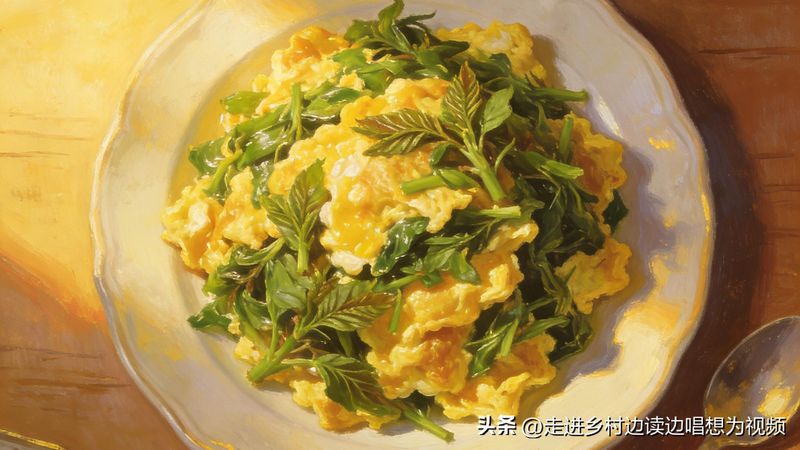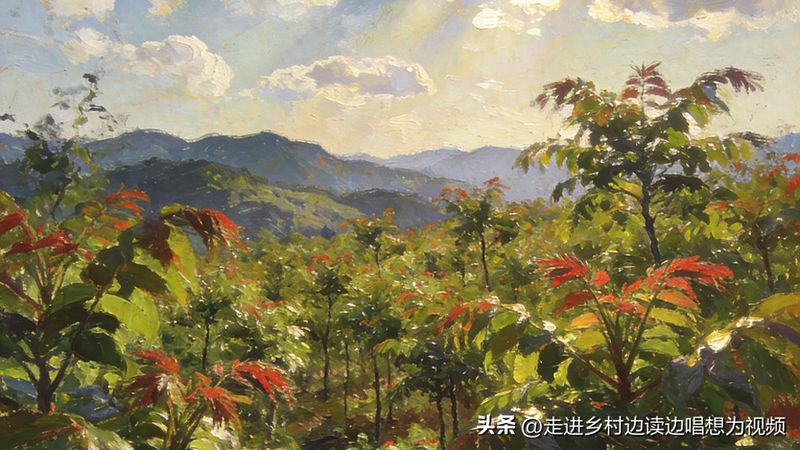
The fragrance, which is a rare species of chinese origin, is also a traditional “tree vegetable” with edible, economic, medicinal and cultural values and is widely distributed in the country。
The fragrance tree is so tall that it can be 10-25 metres tall that its bark is rough and stylish. The leaves are even-numbered plume, with fresh and fresh springs of purple red or green, with unique fragrances of smell, which are the main edible parts. In may-june, most of the flowers were chords and whites; in september-october, the oscillations of twigs broke and the seeds were transmitted with wings. Its adaptive, radiant, warm and humid environment is widely cultivated in the north, east, central and south-west of the country。
As well-known time vegetables, sprouts are of high nutritional value and contain a variety of nutrients such as vitamin c, vitamin e, carrots, calcium, phosphorus and iron. The most common eating methods are roasted eggs, fragrances, fragrances, tofu, pickled fragrances, etc., which are delicious in spring. Because the aroma contains a certain amount of nitrite, it is recommended to be boiled with boiling water for safer health。
The economic value of the fragrance is high, wood is red and brown, it is strong in texture, it is verbious and resistant to grinding, and it is referred to as "china's peach tree" and is often used to produce high-grade furniture, musical instruments and building materials. At the same time, the roots, leaves and fruits of the fragrance are available for medication, which is considered by chinese doctors to be bitter, hot, hysteric, hysteria, etc。
In traditional cultures, the fragrance symbolizes a long life, and the ancients often celebrate their “single age” and “single hair” are used to bless parents for a long and healthy life. Today, incense is both a popular food for time and a good tree of ecological and economic value。