


South-east guizhou: pork lobble inducing and efficient cultivation
Fund projects: general 079 (2023), co-supported by the unit。
We're all in this together
Piggy mushrooms are used by the institute for the construction of the san ming fungi to tame the rare wood-created edible fungus, belonging to basidiomycota, basidiomycetes, polypoles, polyporaceae, panus, which have been named by a wide variety of names: clotocybe infundibuliformi in the past five years, zeng feng zhen was named as an umbrella (clitacybe. Maxima), zhi xiaoyi was named as lentinus giganteus, dunwantyu and dai yu, among others. The pig's fungus is fresh, so it's called a “sroom;” and the scholar named “len⁃tinus giganteus” as “a large cup of mushrooms” and “a large chubby chubby chubby chubby” and so on。
The pig's belly mushrooms are in a refill or funnel form (figure 1), medium or larger. The fungus is either live or rare, solid, fluffy, e. G. Fungus pipe, base swelling, and stretching to the ground in a form similar to the plant root system, coloured in grey or yellow ash brown; bacterium sheet, mosaic, mosaic, pale to black, sterile rings; blubber lids grow into half a ball or flat as the centre grows into a fungus, the color of which corresponds to the bacterium; blubber is white to yellow white, with its curly curls lengthening to the ground; it is a mixture of meat and tan, such as “pirk's belly”; it is branded white. The pig belly mushrooms are rich in nutrients, which are resistant to tumours, oxidation, diabetes, inflammation, fungi inhibition, liver protection and neuromotor growth。
The naturally growing hog mushrooms are found in the tropical and subtropical provinces of guangdong province, guangxi-jung autonomous region, hainan province, yunnan province, zhejiang province and fujian province in the summer and autumn seasons, either on a single-born basis or in a bush; they are nourished by rotting tree branches, piercing the leaves and penetrating through the fallow layer, fracturing the wire to form a sub-entangles when the environment so suits。
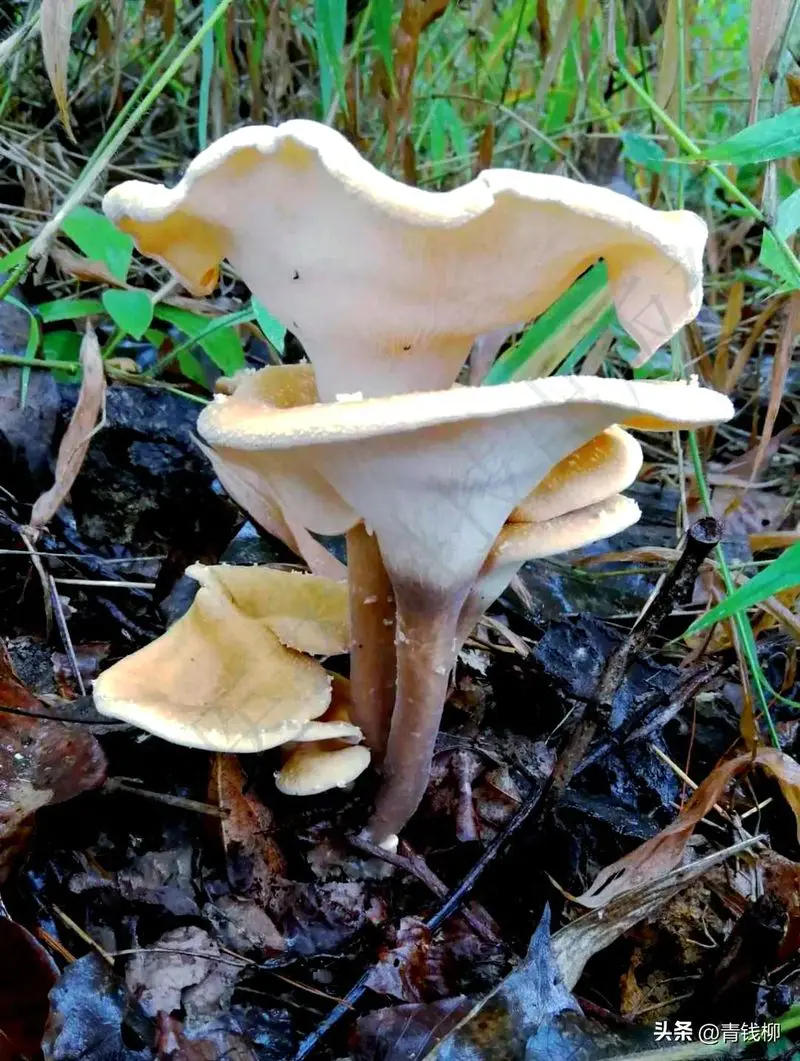
Figure 1
1 pork mushroom cultivation requirement
Piggy mushrooms are woody and edible, with carbon sources from wood crumbs, cotton husks and crop straw; nitrogen is from millet, beak and cake powder. Pig mushrooms belong to high-temperature condensed mushrooms, with a medium temperature at the growth stage of the fungus and a temperature of 15 ~ 35 °c and a temperature of 26 ~ 28 °c for the fungus and a temperature of 23 ~ 32 °c for the nuclei and growth of the nuclei. The relative humidity of the air is 60% - 75% during the growth of the fungus and 85% - 95% during the fragmentation of the fungus and the growth of the sub-entity. Cultivated radicals (producing fungus bags) contain 60 ~65% water. In line with other wood-cooked fungs, the fungic acidic environment, the growth of the fungus, division and nuclei require a ph of 3. 2~6. 9 and the most suitable ph of 5. 1~6. 4. Pork mushrooms do not need light to grow, and 100-500 lx-dispersible light is required for the filamental and nuclei. Pig mushrooms require high-quality concentrations of o2 for the growth of fungus, fungus silks and sub-entity, while high-quality concentrations of co2 lead to slow growth of the fungus and deformities of the sub-entanglements, with proper accumulation of co2 during the base formation period, and soil on the culture during artificial cultivation。
2 bacteria preparation
2. 1 preparation of parent species
Reference to the pda culture base。
2. 2 original species and plant preparation
Reference is made to the “wheat seed” preparation: boiled 65 kg of wheat grains, cooled asphalt, 33 kg of wood crumbs, 1 kg of plaster powder, 1 kg of sugar cane, and inoculation training (25 °c lumber-covered 25-30 d)。
2. 3 preparation of fungi rods
Production of pre-planted bacterium rods: a bag of 35 ~55 cm, 17 cm, 0. 004 ~0. 008 cm thick is recommended if 100 °c is used to suppress the fungus (100 °c, 22 ~ 24 h); and a polypropylene blubber bag is recommended if high temperature pressure is used (121 °c, 0. 147 mpa, 3 ~ 4 h). Pork herbs are grown on the same basis as wood-crushed edible bacteria, mainly using cotton seed shells, wood crumbs, crop straws, gills, rice sorghum, soybean powder, etc., and supported by lime, plaster and light calcium carbonate. The formulation reference (mass fraction): 1 maize core, 72 per cent, 26 per cent plaster, 1 per cent plaster and 1 per cent lime, 60 per cent ~ 65 per cent water content; 2 cotton seed shell, 50 per cent wood crumb, 34 per cent plaster, 14 per cent plaster, 1 per cent plaster and lime respectively, 60 per cent ~ 65 per cent water content; 3 cotton seed shell, 30 per cent rice straw, 15 per cent maize core, 15 per cent wood crumb, 18 per cent plaster, 1 per cent calcium sugar and light carbonate, 1 per cent water content, 60 per cent ~ 65 per cent water content; 4 cotton seed shell, 23 per cent plaster, 1 per cent water content, 60 per cent ~ 65 per cent water content; 5 cotton – 20 per cent – 60 per cent corncrum, 16 per cent lime and 2 per cent carbonate. The reference formulation preparation rod, which requires maize cores and crop straws to be shredded to a diameter of 0. 1 to 0. 5 cm, is packed in bags with wood chips, corn cores, crop straws, etc. Mixed with formulas, and then watered up with 4 d and then fermented with lime powder, continuing to ferment 4 d and then fermented with plaster and plaster. It is carried out in accordance with the procedure of planting a bacterium, including mixing, bagging, sterilization, vaccination, filament culture, etc., until the bacterium grows full of the bacterium。
3. Cultivation process
3. 1 choice of cultivation season
Pork mushrooms can be grown in april-november in the south-east province of guizhou, with the best cultivation period from early june to late october. The buffalo covers 15-20 d, with a turnover period of 15-20 d, and a wave of 3-4 mushrooms lasting 50-60 d。
3. 2 site selection
The best choice for easy access, easy access to water, clean environment, open woodland, fields, gardens is the smart-out mushroom shed。
3. 3 baccalaureate farming
1 land-to-ground construction: plant sites are pre-soiled, soil disinfected and planting beds are dug. In october-december, after having grown full of bacterium rods, the bacterium bag was removed, and the bacterium was placed in the bed, with a distance of 3-4 cm。
3 land cover: when the blubber is ready, it covers 5 cm thick soil (figure 2), then plastic membranes are kept warm and humid。
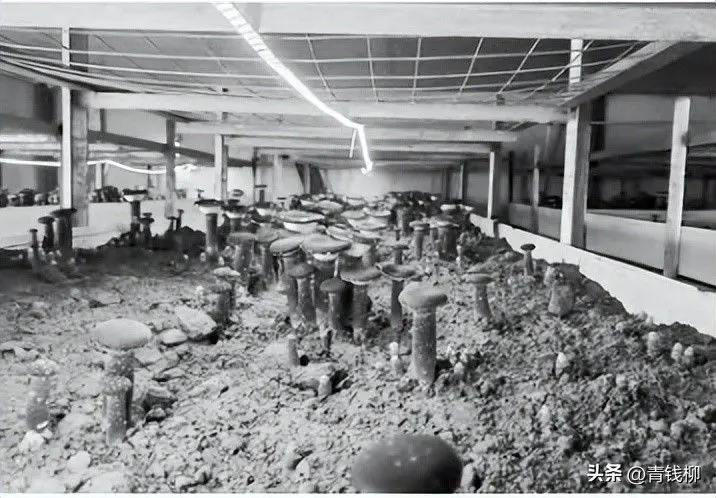
Fig. 2 pork-poll-breeding, southeastern state
3. 4 spectrum growth phase
The temperature of the bed is 20 ~ 28 °c, the most appropriate temperature is 23 ~ 26 °c; the water content of the soil (mass fraction) is 60 ~ 70 per cent and the air is 65 ~ 70 per cent wet; during the fungus, no light is required for the growth of the filament; the place of cultivation is fresh, the covering is lifted in due course and the air is ventilated。
3. 5 fragmentation and mushrooming
Pork fungus filamentation doesn't require temperature differentials. Bed temperature is 20 ~ 28 °c and temperature is 23 ~ 26 °c; water content (mass fraction) is 60 ~ 70 per cent in the bed soil and the relative humidity of the air is 80 ~ 90 per cent; wetting is timely in the bed sprayed water or in shallow ditches; light-scattered light is maintained in the “seven yangs”; air is fresh in the plant site, the temperature-preservation membrane is lifted and ventilation is ventilated 2 ~ 4 times a day at 15 ~ 30 min。
3. 6 collection
When the pig's stomach fungus cap is fully open, with a diameter of 4-8 cm, the earth's bacterium is 5-10 cm long, rubber gloves are worn, the base of the bacterium is gently held by the finger, and the whole code of the tail is placed and placed in a 4°c freezer in 1 h. On the basis of the principle of large-scale retention, mushrooms conforming to specifications are collected, and mushrooms continue to grow, usually with a duration of 3-5 d per mushroom。
3. 7 transition management
When the mushroom harvest is over, the mushrooms are removed, the bed topsoil is levelled, the water is stopped, the fungus gills 13-3d is administered in a static manner, and then production operations are carried out in accordance with the requirements for the separation of the fungus and the management of the mushrooms until the mushrooms grow, which generally produces 3-4 tides of mushrooms。
4 fresh and dry storage
4. 1 fresh sales
Before the mushrooms are freshly sold or dried, they are cut off from the fibrotic hard parts of the base of the bacterium, usually along the lacquer stripes, left on the ground, packed in protective bags, placed in incubators and sold on the market。
4. 2 dry storage
The pig's belly mushrooms are immediately dried or dried, and the whole dry is classified by size. The drying temperature starts at 30 °c, gradually rises to 65 °c and maintains the water content of 65 °c to dry products (mass fractions) below 12. 5 per cent, which are sealed in two-storey plastic bags and stored in cold, dry, light-shield storage and sold within 30 d after drying。
5 types of pests and their control
The main pests in swine mushroom cultivation are mushroom mosquitoes, termites and thorium; the main diseases are brown fungus, red chain fungus, and mucous fungus (gills of the web, etc.), anemic bacteria, and a competitive fungus of ghost umbrellas. In accordance with the “prevention, integrated management and prevention” approach, chemical control is strictly controlled, focusing on agricultural, physical and biological control. Agricultural control: based on the biological characteristics of pigs and mushrooms and the environmental conditions of cultivation, scientific selection of plant varieties, rational organization of planting seasons, selection of green healthy plant materials, standardization and standardization of planting processes, “agriculture + acrobatics + good practices + good environments” to ensure green, productive and efficient products; physical control: prevention of pests using physical means such as slimeboards, black light lamps, pest-killing lamps, sweetener fluids, sexual baits; biological control: prevention of pests and pests using natural enemy organisms or biological agents; chemical control: chemical agents must choose the pesticides authorized by the state in the production of food fungi, and strictly follow the quantity, usage and safe duration of chemical agents; in the case of competitive fungus, bacteria and gents, competitive fungus are first cut from bacteria and raw materials, bacteria require purity, strength, fresh materials, and full nutrition; chemical control: chemical agents must select the pesticides registered in the production of the fungi for consumption, and should be removed with dust and dust。









