


While winter oilseeds are of high nutritional value and economic benefit as the main oil crop in the eastern region, scientific field-planting management techniques are key elements in improving the production and quality of winter oilseeds. Therefore, the technical aspects of field management of winter oilseeds are identified and an effective defence system is in place to secure escorts for increased harvest and production of winter oilseeds。
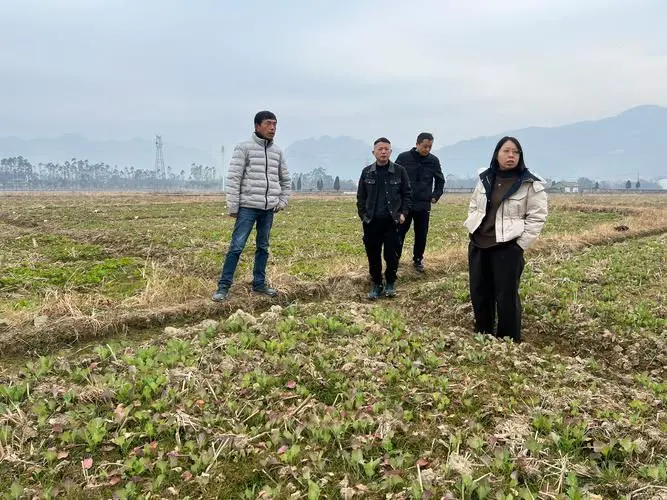
Land cleaning. After the harvest of the former crop, the choice is to plough the field in the clear sky, with a thick farm layer of 25 to 40 cm, which ensures the laxity, fragmentation and levelling of the land. Prior to seeding, acres are recommended for organic fertilizer of 1000 kg ~1500 kg, diammonium phosphate of 15 kg, urea of 8kg and potassium chloride of 2. 5 kg as base fertilizer to meet the growth needs of oilseeds。
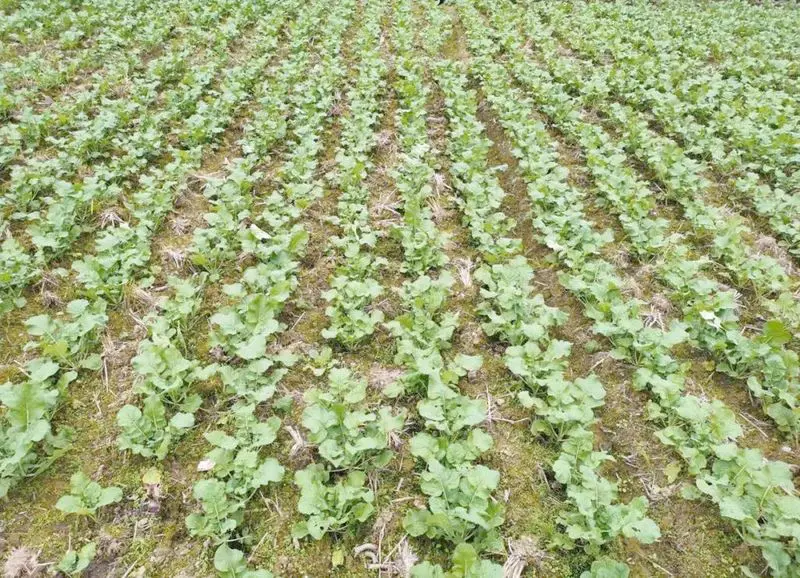
Scientific seeding. The planting time for winter oilseeds is usually in late august to early september, with a seed density of 35 to 40 million hectares per acre, 25 cm and 8 to 10 cm. It's on the air or on the air, usually at 3-5 cm。
Shrimp management. After one week of seeding, most seeds begin to sprouts, at which point seedlings are replenished to ensure seedling rates. After growing for a certain period of time and depending on the state of growth, in mid-september an inter-basin (settling) period after the seeding took place, mainly to remove weak and ill seedlings from the field, to retain strong seedlings, to weed at the right time, and to improve soil aerobic performance。
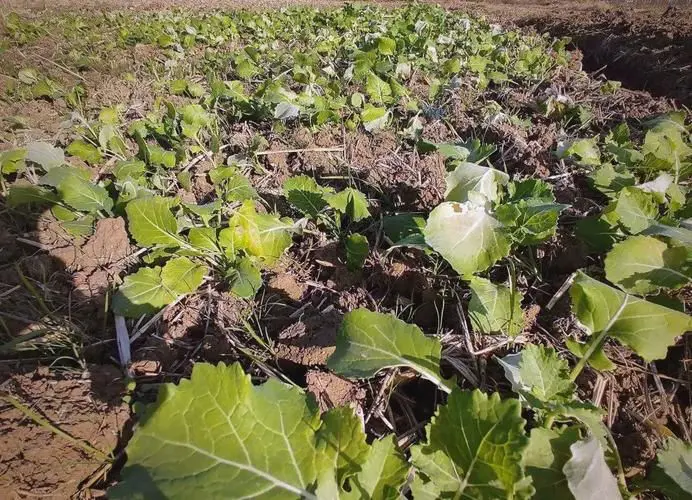
Long-term management. During growth, attention should be paid to field fertilization, pest control, etc., and a rational estimate of fertilizer intake should be made in the context of the circumstances. Follow-up fattening and pest control are carried out before the flowering period, with urea 5 kg/acre and trace elemental water solubility applied to leaf-face fattening。









