


Now, it's the season when the autumn radish is grown, the nutritional value of the autumn radish is high, and its storage is better transportable, and many farmers like to grow it. To improve the quality of the autumn radish, make up a few hours of autumn radish cultivation, and the technology for the autumn radish cultivation, and the importance of planting it
Autumn radish planting time:
Autumn and winter radish are born for 80-100 days. The northern region has shorter seasons suitable for radish growth. The requirements for sowing periods are more stringent because of high temperatures and early freezing. Colder areas in the north-east and north-west were seeded in early and mid-july and harvested in early and mid-october。
Autumn radish cultivation techniques and planting features:
1. Choice of varieties

At present, the market has a very large variety of radish, and the farmers ' friends have to choose according to local planting conditions。
Land selection
Carrot-growing soil should be based on the choice of laxity, good drainage, etc., and before planting the radish, it should be borne in mind that the base fertilizer should be fully applied and that the base fertilizer ratio could be based on the radish variety。
3. Fertilizer management
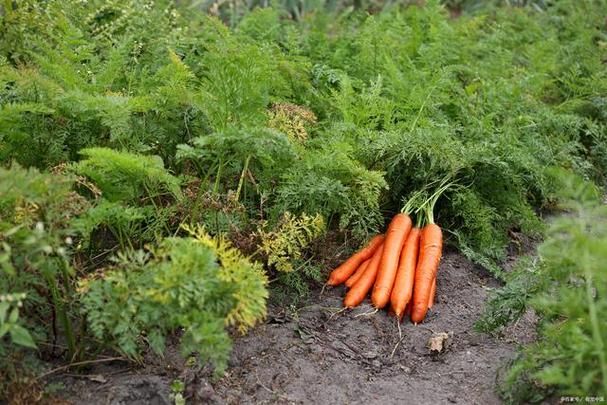
When radish seedlings grow to five to six real leaves, they can be transplanted and planted. Following planting, appropriate fat pursuits can be made based on soil fertility. The amount of water to be poured should not be excessive and small water can be used. The long-term management of leaves lays the foundation for the later expansion of the root of the flesh, and there is a need to avoid spreading the leaves. Based on the growth of radish fatting once, leaves need to be watered one to three times in the long term。
4. Field management
Both radish expansion fertilizers and water need to be sufficient, and the growth of radish can be facilitated by the use of compound fertilizer, with potassium sulfate fertilizer. This phase of water-watering requires less attention, and water is not scarce, and soil moisture is generally around 70 or 80, so that water is equally distributed。
5. Pest management
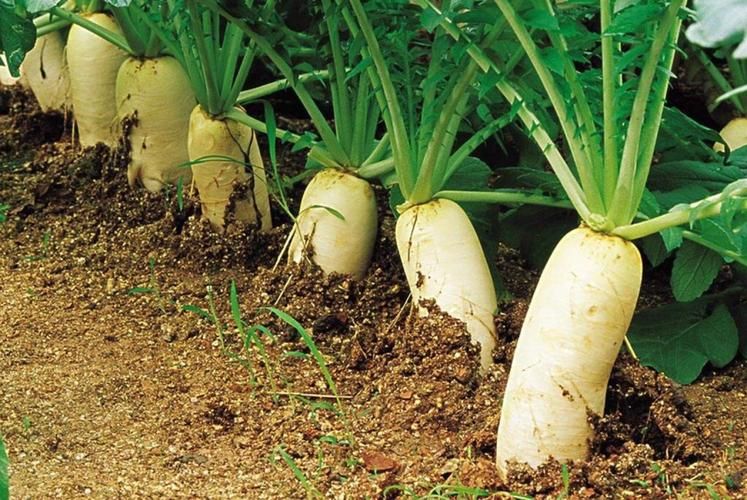
The main pests of radish are aphids, larvae, yellow pedals, black rotor, viral, soft rotor, black spot, etc., which can be combated with commonly used pesticides。
That's the point of the time when the autumn radish was grown, the technology of the autumn radish and the cultivation! Carrots grow in the northern spring and summer or in the high cold areas in the summer and autumn, when the seeds are incubated and cold or when they are used to sow the seeds, and when they are too early, when they are warm and dry and the varieties are poorly selected, and when they are managed, so forth, there is pre-sucking. It is therefore desirable to select winter-intensive varieties for production, to seed new seeds, to sow at a suitable time and to strengthen management of hydro-fertilizers, and to pay attention to the selection of seeds, to increase caste identity and to prevent mixed varieties。









