


1. Rosemary's method of cultivation
Rosemary is grown more often in the spring, before seeding it, soaks the seeds into warm water, drains the moisture and puts them on wet paper towels, covers them with a membranes, and usually whites for two to three days. This was followed by the preparation of grass-breeding and cylindrical pellets, where the seeds were placed on the soil surface, without the need to cover the soil and wait for rooting after proper spraying. After growing to 10 cm, seedlings need to be established。
Timing of cultivation
Rosemary cultivation is usually selected in the spring, when the climate is warmer and it is easier to germinate. The plants are less heat-resistant, grow slowly in the summer and are not easy to grow, so they are rarely grown at this time. In autumn and winter, temperatures are low, seeds are difficult to root and seedlings are not resistant to cold temperatures。
Ii. Selection of seed seed
The choice of particles is more full of seeds, which are immersed in warm water for a period of time, allowing it to absorb sufficient moisture. It was then removed and placed on a wet paper towel, covered with a shampoo, with a few air holes on it and placed in the dark. Regular spraying is required, usually after two to three days, when the seeds are white and ready to sow。
Iii. Basic production
Appropriate soils play a significant role in the growth of rosemary roots, usually made from grass-grain and leeches, with some organic fertilizer in the soil to provide nutrients for plant growth. When the soil is made, it needs to be tanned in the sun and given sterilization to ensure healthy seed growth。
Iv. Employment
Rosemary seeds are placed on the surface of the soil, which, because of its photogenic properties, do not cover the soil and are normally properly sprayed with water to maintain a certain humidity of the soil, while temperatures are kept between 15 and 20 °c, so that the seed will gestation within two to three weeks, and when the seedling grows to 10 cm high, it can be planted。
2. Rosemary's farming methods and care

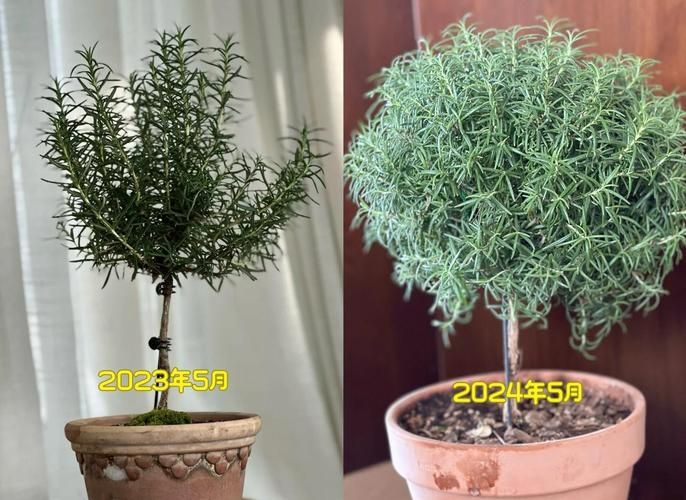
To grow rosemary, so that the air is permeable, so that the sandy soil is well drained and placed in the vent. The rosemary plant, most of all, requires attention to the temperature, which must not be too high or too low in winter and summer. The rosemary needs plenty of sunlight to clean up the dead leaves in time, and to protect itself from disease. The growth of rosemary is low, and if the plant is bought back, then it will have to grow itself for a month in the nutrient field before it is transplanted, and attention will need to be paid to the quality of its regeneration. The rosemary grows up to a certain height, can trim itself, choose a certain shape, according to its needs。
3. Plantation methods of rosemary
Rosemary is a warm, chilly plant and therefore suitable for growing in a winter-free climate, while rosemary is a drought-resistant plant in the water supply, so sand-bearing soils should be selected for cultivation. In addition, rosemary is growing very slowly because of her lack of regenerative capacity, and the old branches are easily wooded and be very careful to trim. It would be safer not to cut more than half of the length of branches at each cut. In the case of the purchase of a plant sold on the market, it is suggested that it would be preferable to replace it with a better drained medium when returned home。
Fertility is about 8-28 degrees and is cultivated in the south, and can grow well as long rains are avoided. Rosemary's branches are growing fast, and it would be preferable to trim them regularly to maintain a better strain and growth。
4. The method of growing rosemary
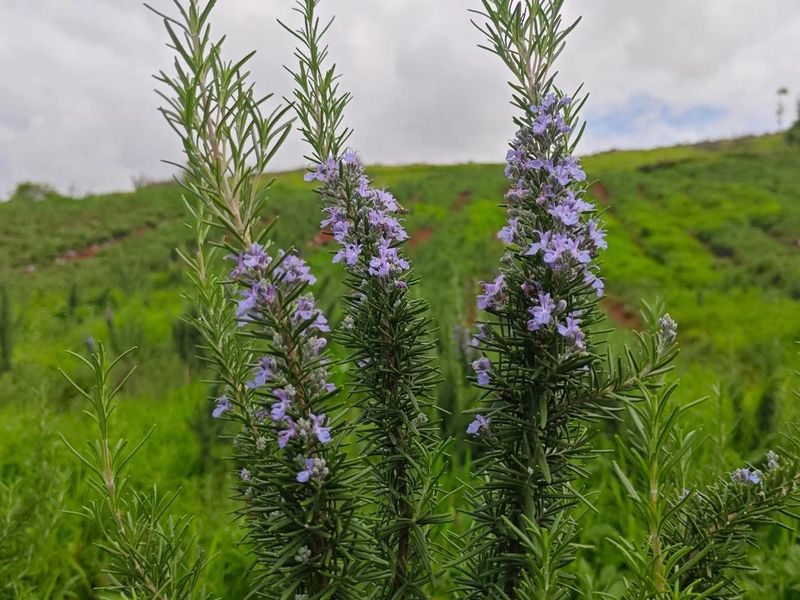
The rosemary of rosemary is an ever-green shrub, with a truncheon and an old truncheon, and a plume of plumbs, wrapped in white ash. Leaves are often bred on branches, with a pale chronography, pink, white, etc., which last almost all year. The rosemary branches grow faster than other varieties and are easy to bloom。
The rosemary plant is 1 to 2 metres high, has a robust tuber, matures and becomes woody, and has a branch with a thin tannery of needles in the form of a deep green leaf, with a slightly reverse lobe. The leaves are bigger than the scavenging rosemary. Straighter varieties have white flowers and light blue flowers。
Rosemary
Rosemary, also known as a juice, belongs to a lip-forming plant. General monoculture, which can be collected over many years。
Rosemary originated in europe and africa and was later introduced into china and introduced to test seeds. Cultivation takes place in most parts of the southern part of the country, and in the northern part of the country it has also been an emerging industry in recent years. Most people are not familiar with rosemary's planting techniques, economic gains and prospects。
Drought and geology are well suited for the cultivation of rosemary, drought-resistant herbs, according to the northern mountain decade. Rosemary's cultivation requires two techniques: the reproduction technique of rosemary, i. E. Seeding, embroidery, barging. The second is rosemary's planting techniques, i. E., ground cleaning, planting, fertilization, shearing and harvesting。
Rosemary is a precious natural spice, a medicinal plant. It has a certain industrial value, a pharmaceutical value and an edible price. It is understood that the industrial value: rosemary leaves and flowers have an attractive fragrance that can be used to extract raw materials such as perfume, soap, air fresheners, etc. The medicinal value: rosemary also has brain resuscitating effects and some therapeutic effects on stomach pains, as well as the multiple effects of slowing old age, preservation, resistance to oxidation and so on, in addition to the functions of calming down, dizziness, trimming and mosquito repelling. The value of consumption: rosemary has a better absorbent effect, promotes blood circulation, stimulates and improves hair loss. Rosemary's extracts are therefore of wide use in food, health, medicine, cosmetics, etc。
The cultivation of rosemary is less expensive, less expensive and more profitable. A single crop yields more than 10 consecutive years and inches can be collected three to four times a year, depending on the growth, usually in the middle of march to november, and not in the middle of november winter to february of the following year. Rosemary has an average income of over $3,000 after two years。
Rosemary is full of treasures whose extracts are called “gold liquids” and are sold both at home and abroad. The current market prices for rosemary extracts have increased significantly, so that there is a good prospect of growing rosemary and there is a great room for market development. Cultivation, which is particularly appropriate for poor mountain areas, is a new industry for mountain people to escape poverty and become rich. The new approach to industrial development of the rural revitalization strategy。
The global market for rosemary extraction products reached $215 million in 2020, and is expected to reach $290 million in 2027, with a combined annual growth rate of 4. 22 per cent (cagr)。
6. How rosemary is grown
Timing of cultivation
The cultivation of rosemary is based on the choice of suitable time, a warm environment, cold resistance and low temperature resistance. It is therefore recommended that planting be selected in the spring, specifically in april/may, with a suitable temperature and a better seeding. In the warm southern regions, seeds can be planted in the autumn。
Ii. Tracing
Seeds are recommended before entering the soil to be sprouted and to select seeds full of particles. Put it in the hot water and let it suck. When immersed, they were taken out on the wet towels and covered with a membrane, and several holes were inserted on the membranes, placed in the dark, sprayed with water to keep them wet, and the seeds were exposed for about two or three days, so that they could sow。
Iii. Preparation of soil
Soils determine the rate of seedling and later growth, and make suitable soil for growth. It is proposed to mix the boulders with grass-grain soil and to add organic fertilizers to increase fertility. It is set in strong light and tan for some time, so that it can be disinfected。
Iv. Sowning soil
Seeds can be planted in the soil once they are sprung. The method is very simple, and it is sufficient to place its seeds directly on the soil surface without the need for dust. It is best to keep the temperature between 15 and 20 degrees in order to be able to germinate in an environment of more than half a month and move values up to 10 cm。
7. Value of rosemary medicines
Can make white wine. White wine is intended to highlight its medicinal value, and our pharmaceutical wine is usually used as alcohol. White wine bubbles, which not only fully dissolve the contents of the medicine, but also make it easier for the body to absorb it, but also to “advertise the bloodline and improve the efficacy of the treatment ...”, which is not only non-transformable, but also easy to keep and drink at any time.
In the west, rosemary is also used to make wine, so that it becomes more fragrance, so that dry rosemary is immersed in it。
8. Rosemary's method of cultivation and care
1. Whole-land fertilization: soil can be made from peat, garden, corroded farm fertilizers。
Seeding soil: rosemary seeds are spread evenly on the soil and water is then poured to keep the soil wet。
3. Management of seedlings: when a seedling grows to 70 cm, it is established。
4. Attention: rosemary is given two or three times a year to hunt down decomposition farmers。









