


The core of the conservation approach for seagulls lies in the skilful management of temperature and timing to allow them to flourish healthyly, based on their variety characteristics and growth cycles. The conservation of seagulls, which is common in spring, is not complex, but requires some careful observation。
First we'll identify the species, then we'll talk about conservation
The first step in conserving seagull flowers is to understand what kind of seagulls you face. It is mentioned in the reference article that in the streets of chengdu, thin and west ponds are most likely to be recognized as cherry blossoms, but they differ in nature. Threading seagulls have long flowers, and the flowers tend to dwindle slightly, and the flowers of the seagulls in the west are relatively stretching。
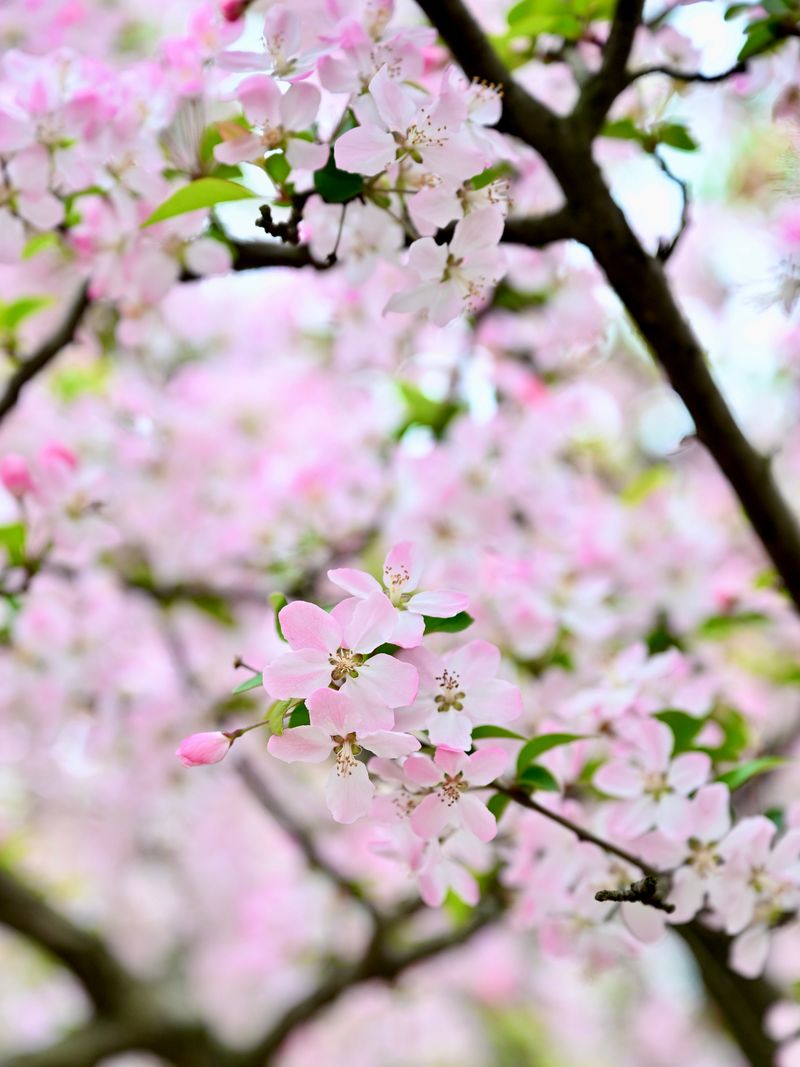
More importantly, the acupuncture is shared by the leaves, which means that the flowers and the leaves grow almost at the same time, unlike some of the plants that bloom before the leaves grow. This characteristic means that, during the growing season, leaves require sufficient light cooperation to support flowering, so that most seagull species prefer a sun-rich environment. If the species are mixed and the radiant seagulls are planted in the shade, they may lead to thin flowers。
Temperature control, extension of period
Temperature is one of the core factors influencing the value of seagull viewing. According to experts from the urban botanical gardens, seagulls usually bloom from february to march. During this period, temperature management can have unexpected effects. The experts explained that cooling can prolong the flowering period and have a similar effect as a “frozen pigment” and slows down the ageing and decay of flowers。
This is because lower temperatures inhibit the physical activity within the flowers, keep the already open flowers in their state and slow the opening of unopened buds. So, in the early springs, if there is a short cooling of the weather, there's no need to worry, it might give you more time to appreciate the seagull. Conversely, if temperatures rise too early, for example, by over 30°c, the rate of a flower's metabolism may accelerate。
Fashion maintenance and observation
Based on the resonance of seaweeds in february-march, the focus of conservation has been on the maintenance of flowers. In addition to taking advantage of the natural regulation of good temperatures, a little attention can be paid to daily observations。

The conservation of seagulls is essentially in keeping with its natural rhythm. When you understand its variety of temperaments and flowering secrets, you can better accompany it through every spring。









