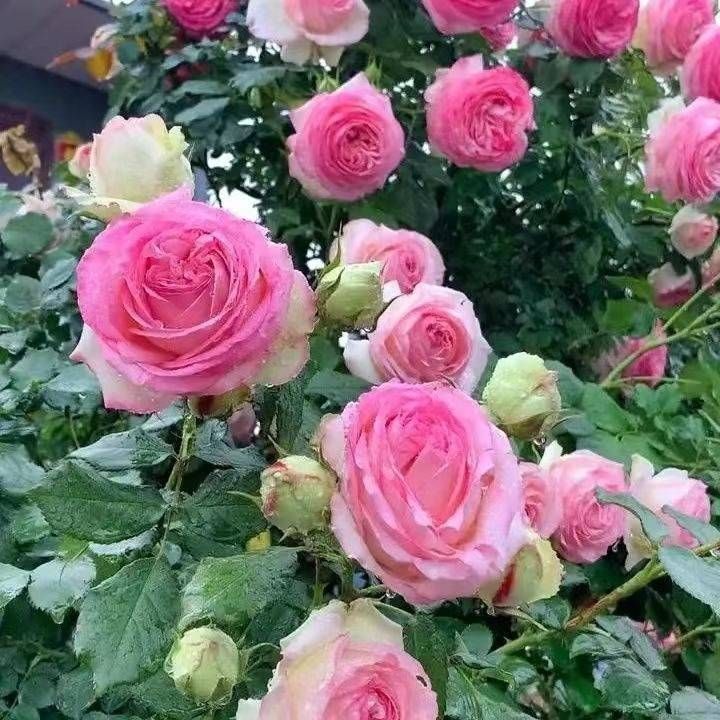
Da vinci reptile season
In the vast spectrum of horticultural plants, the season is marked by their rich form and adaptability. Among them, the monsoon season, as a special form of growth, has produced a unique vertical green landscape through its long and tenacious branches. The focus of this paper will be on the specific species of “da vinci”, but the core of the discussion will not be limited to the individual characterization of the species, but rather will be seen as a locomotive that will systematically analyze the deep biological and horticultural foundations on which such plants can be classified and flourished. Interpretation will follow a logical sequence that goes from macro-category to micro-specificity to its ecological and applicational relevance. The treatment of the core concept of the “scrawling season” will avoid the usual direct definition and be interpreted by deconstructing the three interrelated dimensions of its “morphology mechanism”, “horticultural integration of the genetic background” and “ecological ranking”。
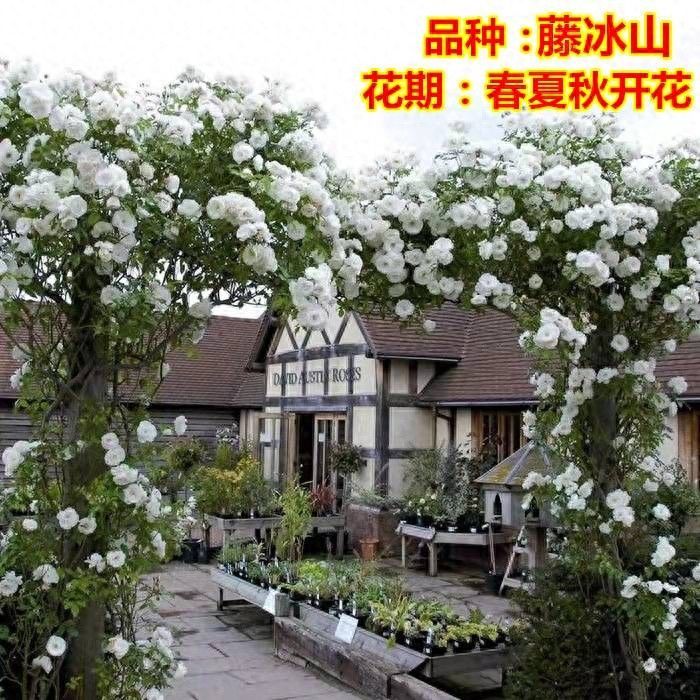
Form occurrence mechanism: to help improve the biological base of learning
The so-called “crawling” or “crawling” habits are not a single form of sexuality, but the result of synergies between a range of forms and physical adaptability. During the current month's season, this was mainly manifested in the significant extension of branches and a certain degree of resilience. Its nascent branches (especially the strong branches of the prime minister) can continue to extend for several metres during the growing season, which stems from the active cell division and stasis of its top symbiotic tissue. Unlike rolls in the strict sense of the term, which have no active entanglement or adsorption structure, most of the vines themselves this season rely mainly on manual guidance and binding, using the physical properties of their long branches to cover support such as galleries, fences, etc. This pattern of growth allows the area of light co-operation to be innovated in stereospaces and is a strategy of adaptation of plants to competition for light in horticulture selections. Understanding this is the key to distinguishing the current season of the vine from that of the shrubs with the same long branches but with different growth configurations. In horticultural practice, a large number of plants with similar growth potential are cultivated and applied, such as lush seedlings, vives seedlings, mountain-crawling seedlings and gold and silver flowers, each of which have evolved or selected different climbing mechanisms, which together form a vertical greening plant material bank。
Horticultural integration of the genetic background: the formation of species characteristics
Modern monthly varieties are the product of a long and complex history of cross-breeding, whose genetic background combines the origins of many wild native species. The emergence of a monsoon variety named “da vinci” is the result of genetic selection and reorganization directed by the breeder's specific objectives. These goals usually include, but are not limited to, the capacity of flowers to bloom continuously or in a particular season, the specific form of flowers (e. G., heavy petality, colour stability), petal floors, aromatic elements, and, crucially, disease resistance and heat resistance to specific climatic conditions. So when we talk about the species, we are actually talking about a set of fixed and commercially reproductive sexual combinations. The strength of its vermin, the pattern of flowering branches (flowering on old branches or new branches), and the distribution of flowers in different seasons are regulated by their intrinsic genetic processes. This genetic integration does not exist in isolation; it is part of a larger system of plant breeding. Among the various species of trees that are directly supplied by vanilla horticulture, from cherry tree seedlings, purple tree seedlings to red plumes, green plums, from seashells in the west capital, twilight seagulls to purple macabres and red leaves, each variety of names represents a unique history of breeding paths and sexual integration. Even the tiara, mascara, wheat winter in phnom penh, or the glue spears as green fences and plant-forming plants, the fragrance vines, the cucumbers, the big leaves, the chastity ball, the sparkling ball, are in their current form the expression of wildness after artificial selection and horticulture。
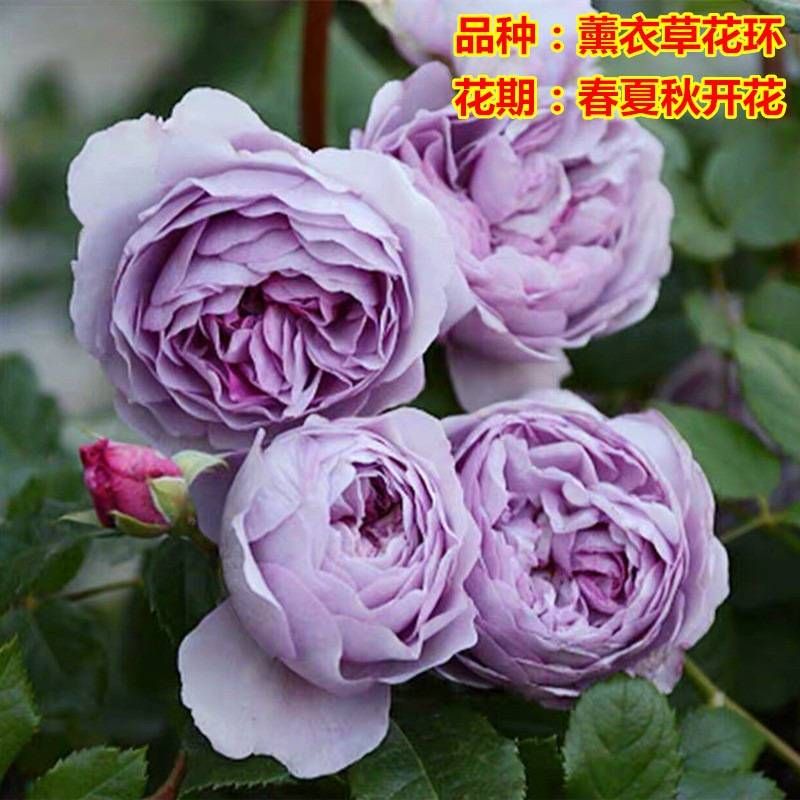
Eco-formation: the role between artificial and natural systems
The “ecological position” of fuji in the garden ecosystem this season is shaped by its biological characteristics in conjunction with human aesthetic and functional needs. It is not just a flowering plant, but an ecological unit with space structure functions. When planted in walls, arches or galleries, they are involved in micro-environment regulation: the thick leaves provide shades, lower local temperatures, increase air moisture and may provide shelter or shelter for some small organisms. They attract pollinators, such as bees and butterflies, and are integrated into local pollinators networks. However, the maintenance of this ecological position is highly dependent on manual management, including cutting (to stimulate the emergence of new branches, control of strains, promote flowering), surveillance and integrated management of pests and diseases, and the necessary supply of fertilizers. This is different from the survival strategies of many native-crawling plants or plants in natural ecosystems. In a broad list of gardening plants, whether they are saplings for bone construction, beads for sprawl, bouquets for springing, bouquets, wool, or flowers for covered seasons, red hat seasons, twigs, or even grass seeds for seed breeding, each plays a specific structural or functional role in an artificially designed landscape, creating a community of habitat plants that meet aesthetic needs and have some ecological service。
The focus of the conclusions is to make clear that an in-depth understanding of any particular horticultural variety should be easily and simply remembered for its name and appearance, and should be examined within the broader framework of plant biology, the horticultural culture development landscape and artificial ecosystem construction. The value of the da vinci reptile season, for example, is not only reflected in the visual appreciation of its flowers, but also as an example of how modern horticulture, through its understanding of and intervention in plant growth and flowering genetic mechanisms, creates living materials that serve the needs of a given space for beautification and ecological functions. This cognitive approach, which allows for a more rational selection, application and conservation of plants, whether in this month's season or in other trees, such as lush flowers, vivine trees, golden leaves, etc., and understanding their intrinsic growth logic and external role positioning, is the basis for successful planting and sustainable landscape-building. Ultimately, horticultural practice is an art based on the life sciences, and its depth is rooted in the constant search for and respect for the complex and fine operating patterns of life systems behind each type of plant。