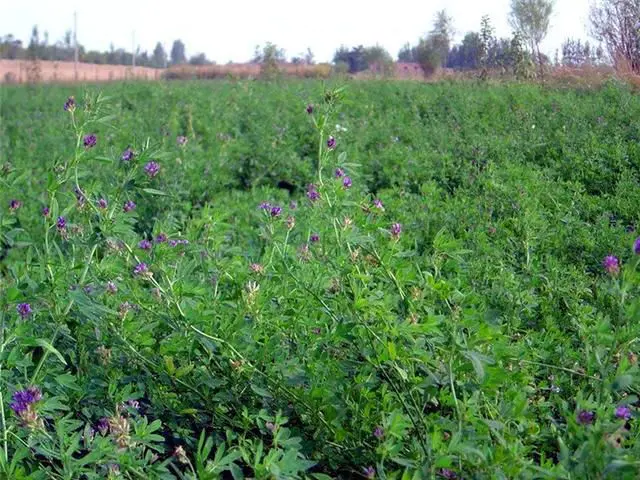
Species description: purple grass is one of the world's high-quality pastures, which not only produce high-yielding grass, but also contain a wealth of coarse protein, vitamins and minerals, poultry and fish herbivorous animals enjoy food and feed more valuable. It is a good soil and water conservation plant that improves soil fertility because of its long years of growth, its strong roots, its developed roots and its ability to stabilize nitrogen in the air。

"vspace = "0" alt = "technology of cultivation and management of cultivation of vervain" style = "border: 0px; max-width: 100%; vertical-align: top; display: block; margin: 0px auto; head: auto; /"
I: characteristics of the vermin
As a multi-year tofu herbivorous plant, it has a lifetime of approximately 5-7 years, up to a maximum of 10 years. Its roots are very well developed, with depths of up to a few metres or even several dozen metres; it has a straight or tilted state, with a smooth surface and a larger branch; and it has three double leaves of plume form, leaves of ovulation and smaller leaves. The flowers are purple, corrugated, pollinated with an alien flower, and the nuts are spiraled, each of which contains 2-8 seed grains, such as kidneys, colour yellow or yellow, and the weight of the thousands of seeds is approximately 1. 5-2g。
Ii: the growth habits of vermin
The vermin is more adaptable, warm, semi-humid and semi-dry climates are suitable for growth in defusing, dry, high calcium and well drained soils. It is relatively cold-resistant, but not hot, and in some areas where annual rainfall is 300-800 mm and frostless periods exceed 100 days, it is still available for cultivation. At temperatures between 5 and 6°c, seeds can germinate at a suitable growth temperature of 25°c, and so most seedlings begin to sow in early april or july, with a long growth cycle of about 10 cm at 30-40d, 90d, and grass-up about 60 cm, and start flowering。
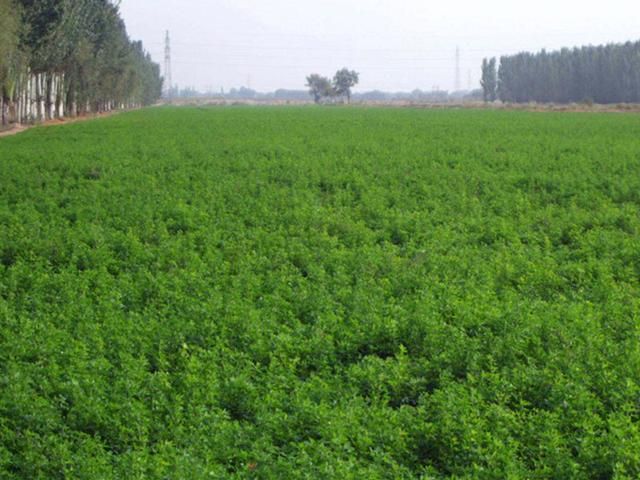
Iii: the method of cultivation of vermin
Seed treatment
Ultimate seeds have the properties of hibernation and are of a high rigidity, and it is difficult to get a good budging rate without being treated when growing. Seeds should be treated using shaving or hot water soak. Hot water immersion removes 30m of sorghum seeds from the water at 50-60°c before drying them up and sowing them, and treated seeds have proven to be a significant increase in sprouts。
In the first place, the plume should be planted with a root tumor. In general, 1kg seeds are sowed immediately after they have been fully modulated with root tumor agent 5kg. Vaccination with root tumors can lead to a significant increase in production due to high levels of idleness and growth of nitrogen。
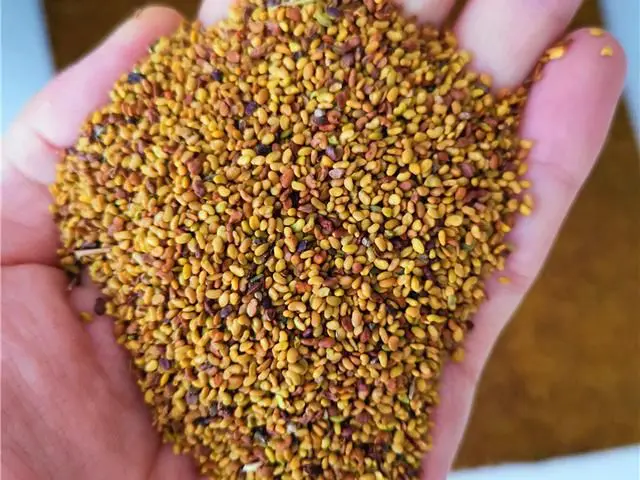
2. Sowing usage
Seed fields range from 7. 5 to 15 kg/ha, grasslands range from 15 to 22. 5 kg/ha, arid lands, hill slopes or areas of high temperatures, increasing sowing by 20 to 50 per cent。
3. Shrimp management
Owing to the slow growth and weak resistance of the octopus seedlings, they are vulnerable to pests, weeds and environmental ills, especially in areas experiencing frequent precipitation, and are prone to soil compaction, affecting seedlings and growth, which should occur in a timely manner to ensure that the octopus survives successfully。
4. Chinese tillage
The greatest threat to the seedlings is weeds, which can cause serious crop failures. In order to avoid weed hazards, weeds should be cultivated 2-3 times and care should be taken to prevent and treat the effects of leachate pests, aphids and rust。
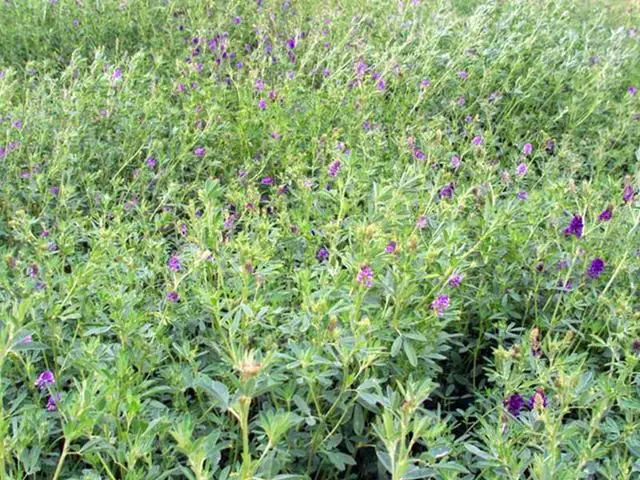
5. Fertilizer management
In order to increase the production of vermin, appropriate nitrogen fattening can be applied during the larvae's seedlings to promote their growth. Each cut requires a timely combination of rain or water to fatten the plant, mainly with potassium phosphate. Due to the sensitivity of vermin to trace elements such as sulphur, boron and molybdenum, the appropriate addition of such trace elements can significantly increase the production of hay and strengthen the plant。
6. Harvest
Since the growth years of the vermin are typically 10 years and after sowing two to five years of production, the primary flower period may be chosen as the harvest period. For dryland cultivation, two harvests per year and three waterfalls per year are appropriate, with harvests usually lasting 3-5 cm. For the final harvest in autumn, the choice should be 20-30 days before the end of the growth cycle, with a drop of about 5 cm to ensure root nutrients and winter winter winter and spring sprouting. In particular, when harvesting in rain, care should be taken to prevent the entry of water into the mouth of the knife, causing the rotting and even death of the root of the purple flower。