


The climate environment in henan has a negative impact on grass cultivation, but it is likely to succeed if the following technical points are addressed:
Salvatore cultivation is preceded by planning, resting, crop rotation, planting density, choice of herbicide species, etc., and choice of herbicide species for different soil and climates。
The extent of the soak is determined by the size of the seed and the amount of seed seed, generally at a depth of 0. 6-1 cm. Can't be more than 1 cm deep。
Selenium is highly adaptable and can grow on a variety of soils, but best with more fertile sandy soils. Nitrogen fertilizer and moisture are needed to facilitate irrigation and drainage。
Seeds are dormant, with low seed sprouts, high harvests and low yields of new seeds in the year. Grasses generally grown are selected for two to three years。
Since weeds require a certain amount of nutrients in winter, management should be strengthened to catch up with nitrogen fertilizer after the fall. In winter, winter or summer trims are required, and spring is flourishing and of good quality。
Selenium pests are relatively small, but brown spots and frosts occur during high temperatures and rainy seasons and should be combated。
These are the technical points for growing grass in henan。
I'd like you to recommend some common herbs, and i hope you like our content。
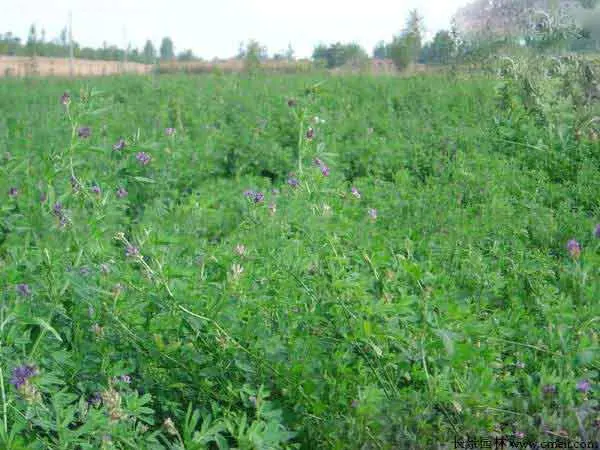
1. Purple seed (world-class pastures, years old, high nutrition)
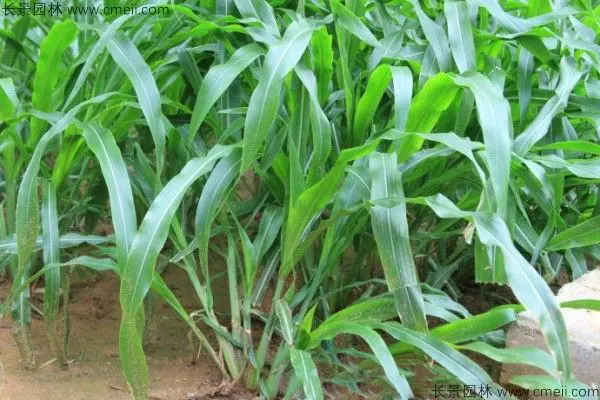
Mexican corngrass seed (high-yielding summer pasture, one year)
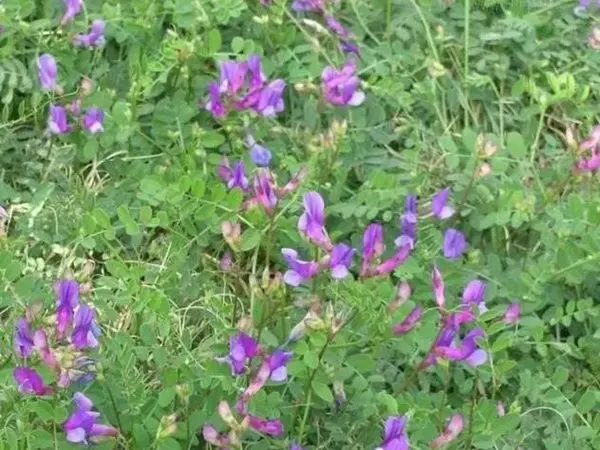
3. Arrow bean seeds
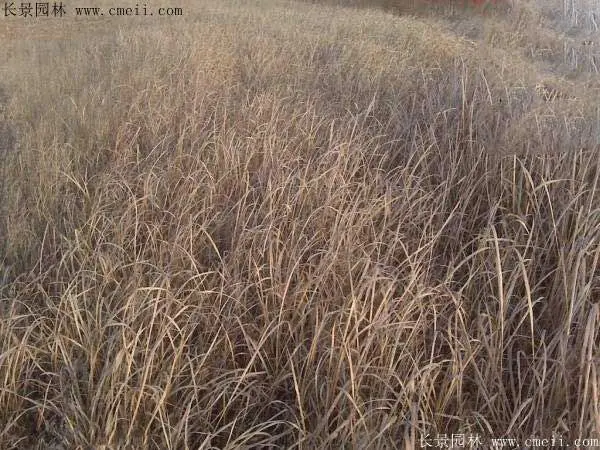
4. Pyramid seed (cool-resistant, multi-year grass, large area applicable)
Seeds of trifle (highly nutritious autumn winter pastures)
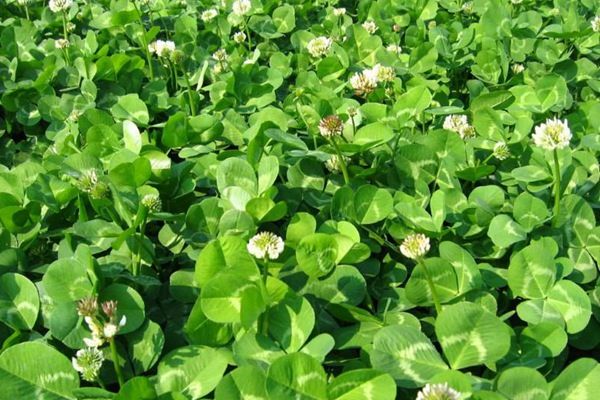
6. Wheatgrass seeds (green storage, dry, good pasture)
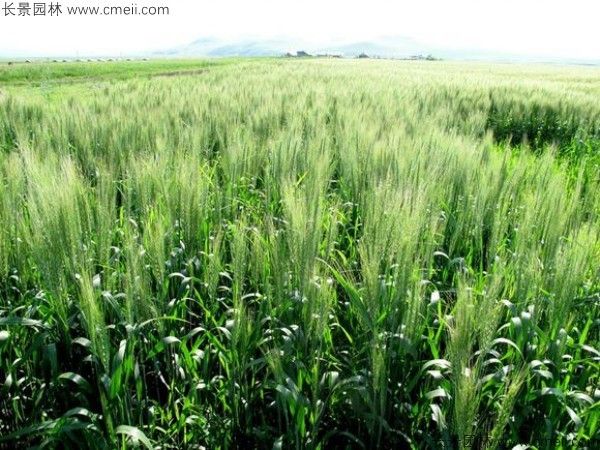
Seeds of rye
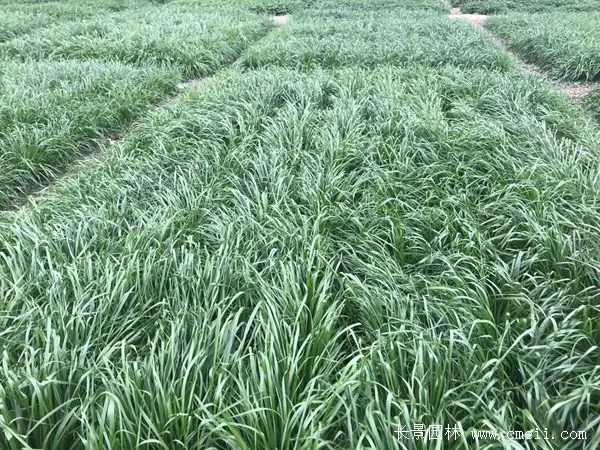
8. Twilight seed (immediate grass is also green fat, dual-use)
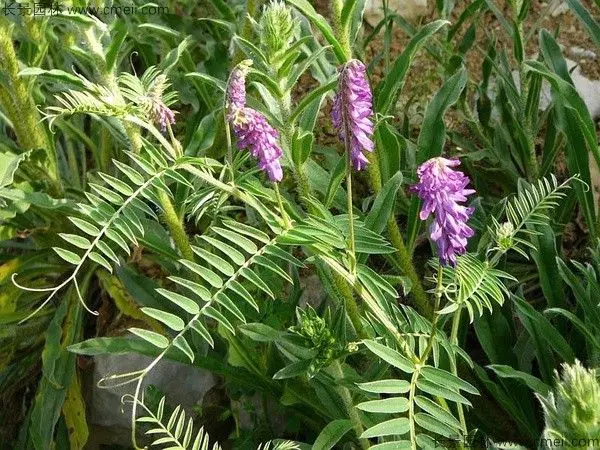
Seeds of oatsagrass (annually nourished, stored)
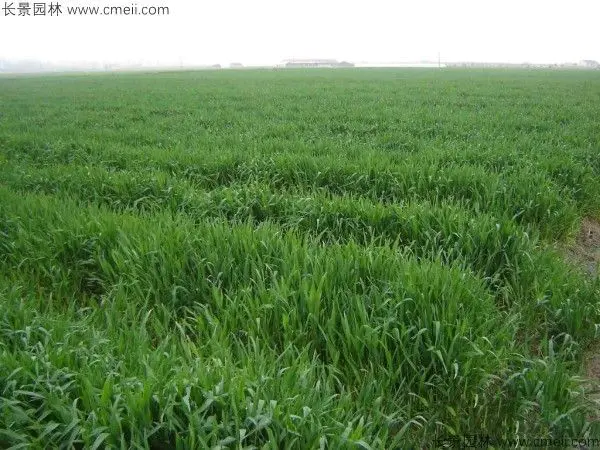
10. Seeds of high-dry grass (summer high-yielding, unscathed)
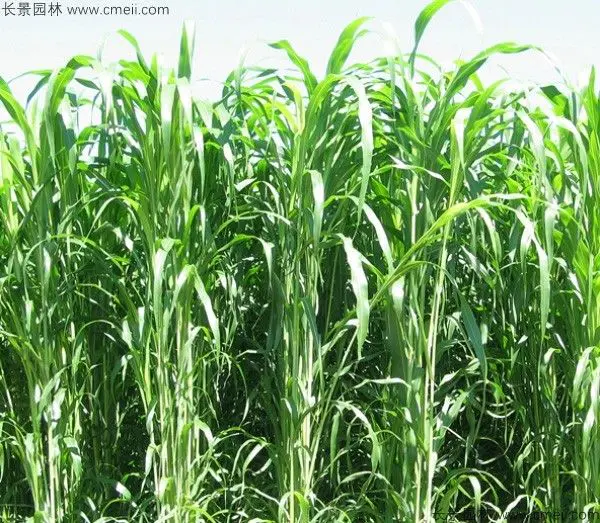
11. Sudanese grass seeds (annual high-yield pasture, summer type)
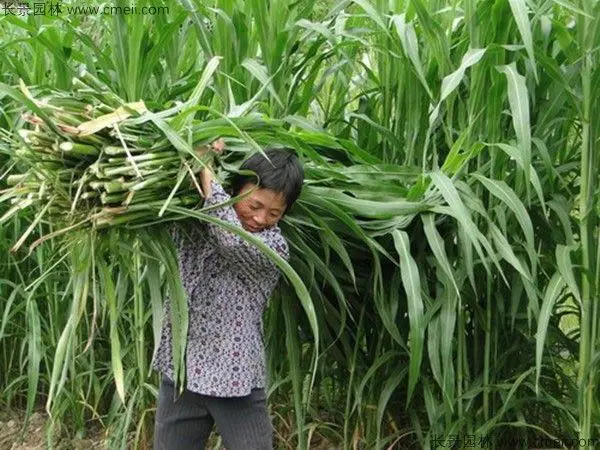
12. Seeds of red soybean herbs (e. G. Drought-resistant pastures, water scarcity in the gobi desert)
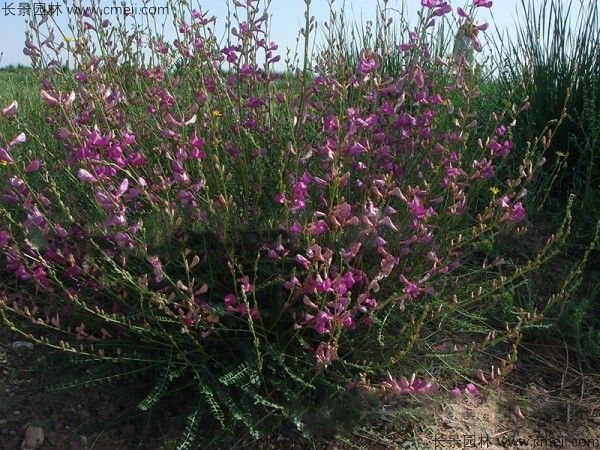
Sweet sorghum seeds (new high-yielding herbivage varieties produced annually)
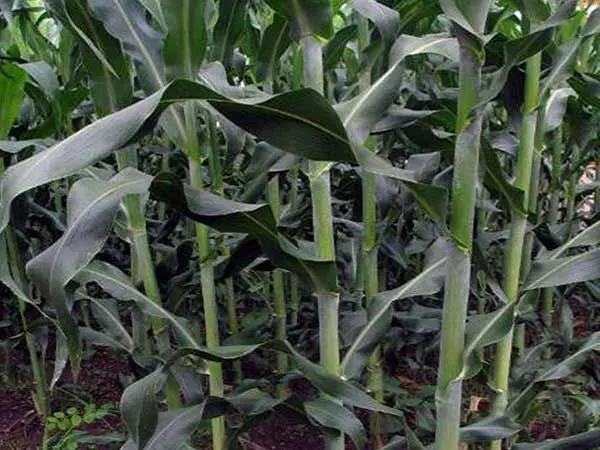
Sweet elephant grass festival
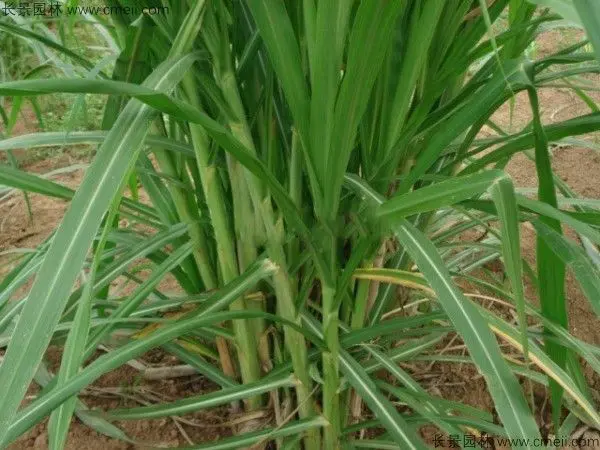
The yogurt cloud seed
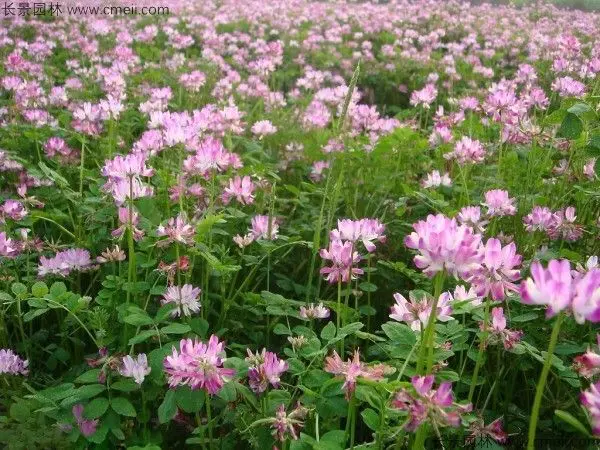
16. Wolftail seed
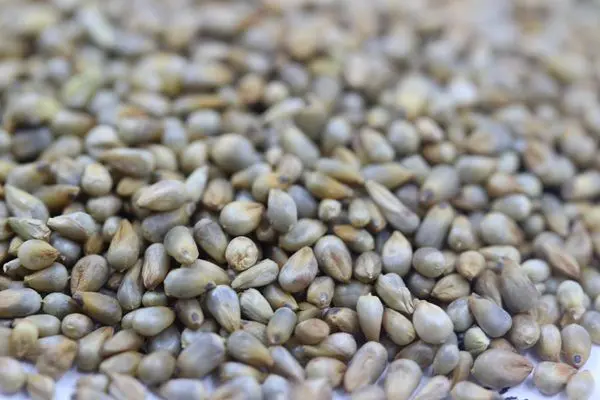
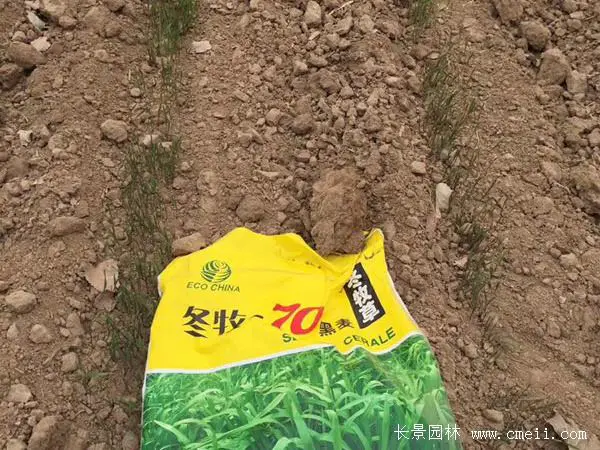
17. The 70 rye seed for winter
18. Icegrass seeds (highland drought-resistant, multi-year)
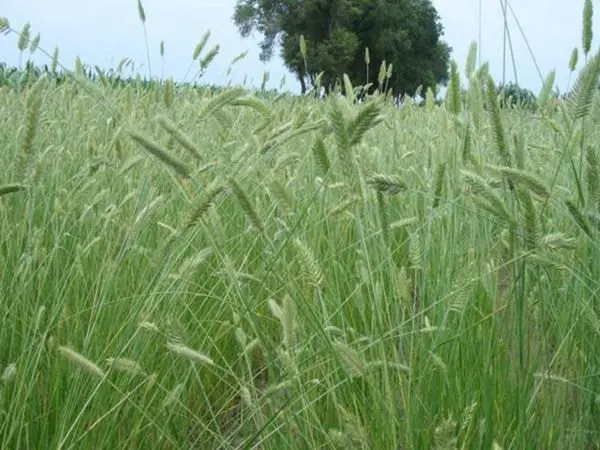
The seeds of daisies
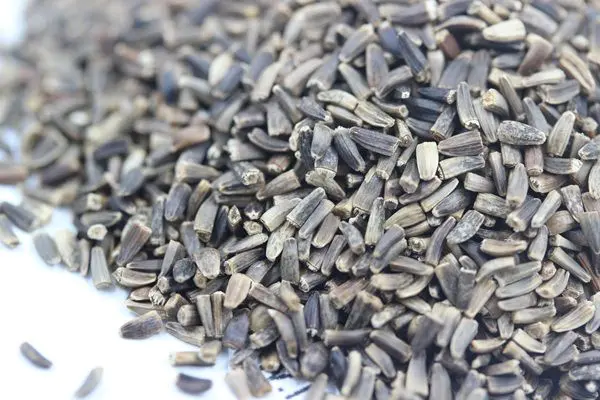
20. Sphinx seeds (forage, extraction)
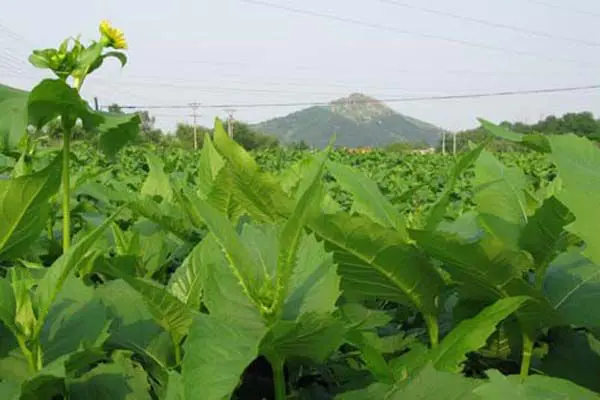
21. Rumax seeds (cold-resistant, high-quality, multi-year pasture)
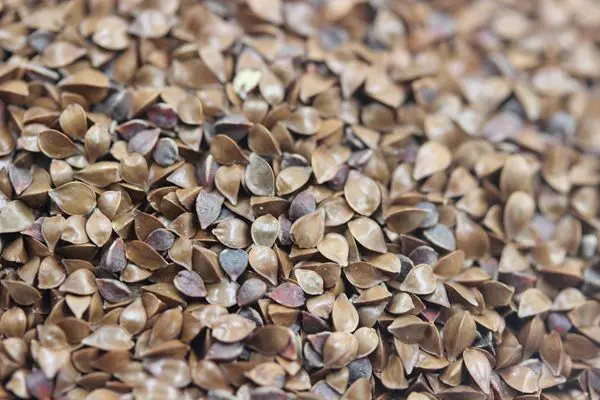
22. Duck-cow seeds (dry-resistant, high-quality pastures)
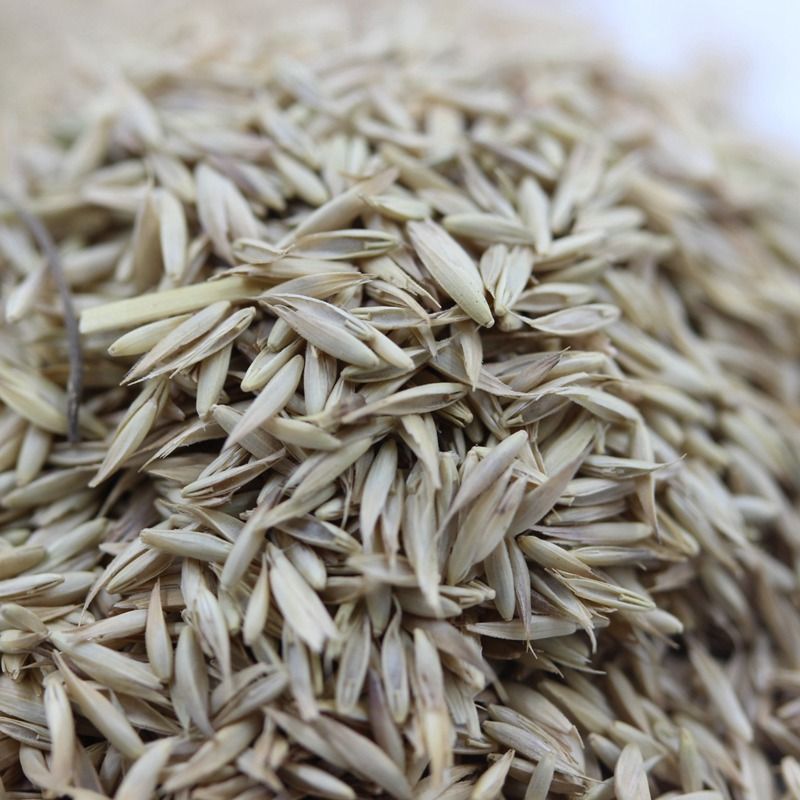
Old manmer seeds
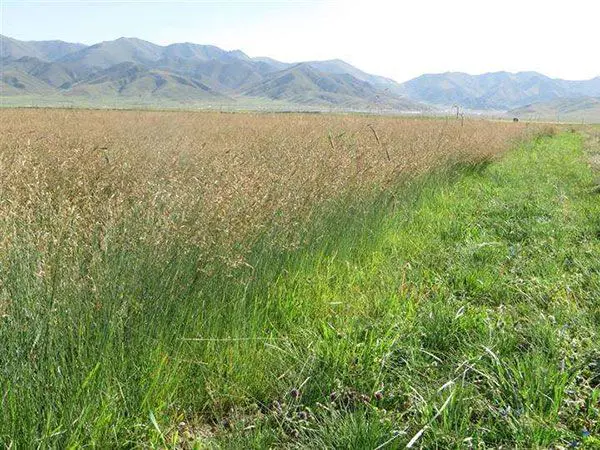
24. The royal bamboo herb festival
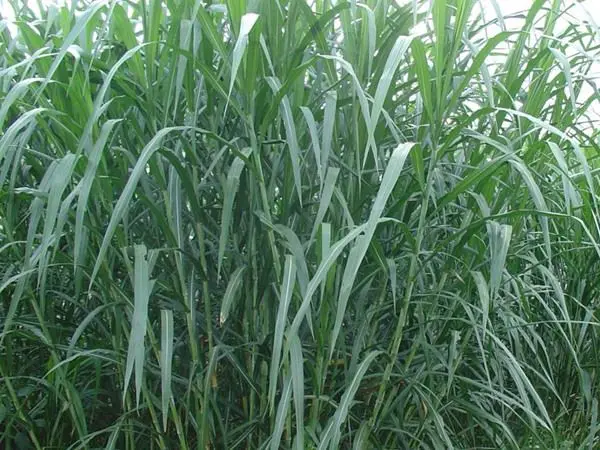
25. Seeds of milled grass (singles that can be planted by the only water field)
It is grown for many years, and it is normally wild. It is grown for many years with the largest amount of protein trace elements and fat. The life expectancy of vermin can be as high as 15 to 20 years, usually used to produce high yields in the second to fourth years of pasture production, with low yields after four years。
Today, the velvet bouquets have been selected through experiments by national scientific and technological institutions and authoritative experts around the world to develop different species of vermin with hibernation levels to adapt to different natural climates and growing places。
Let's look down:
I. Crude proteins are high: according to the linked data, vervain dry matter nourishes coarse proteins of 18 per cent, fat 2. 4 per cent, fibre 33. 5 per cent, nitrogen-free leachate 33. 5 per cent and coarse ash 8. 6 per cent. Compared to wheat, more nutrients than about 75 per cent of sticks。
Ii. High output: purple acreage is planted in the usual soil and can produce up to 2,000 - 3,000 kg of grass; in fertile soil, up to 4,000 - 5100 kg of grass is grown。
(iii) not picking land: vervain is not a picky selection of soil and can grow in sandy and moderate clay soil, but it is best to choose drainage, soil is thick and fertile. More resistant salt, which cannot grow on heavy clay, low-wet soil, is preferable to soil ph 6. 3~8. 2。
Iv. Good cold tolerance: 6 ~ 11 °c can produce seedlings and withstand the freezing of less than 5 °c. Adult seedlings can be at temperatures of less than 20 °c and less than 30 °c, masked by snow to withstand temperatures of 34 °c。
V. Drought-resilient: water is not allowed in all living beings, but the plumes of the purple flower must be well developed, drought-resistant and grow at 300 ~ 700 mm a year。
Vi. Soil improvement: vervain is soybean grass that can modify soil and fix the effects of nitrogen fertilizing fields。
Vii. Quest of solid soil: the vermin of the verbite is flourishing, and it is determined to reach a depth of more than 7 metres, preventing soil erosion, preventing soil erosion and securing soil。









