


Tomato management technology in sheds
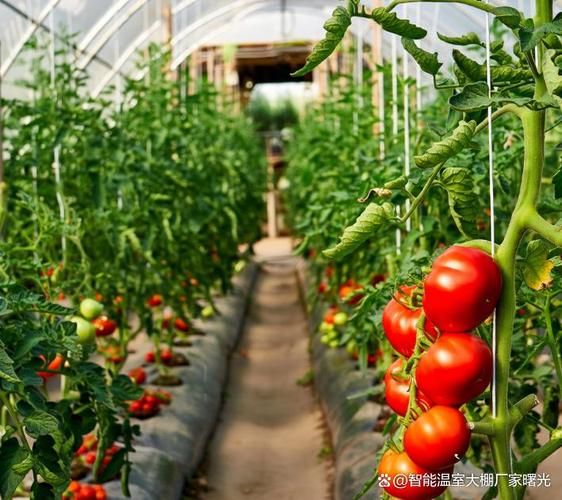
12 october 2012 14:37 source: abstract of the non-born article: 1, controlling the management of fertility. These include practices such as weeding, water conservation, acupuncture, acupuncture, the whole branch, the removal of leaves, ventilation, improved control of pests and diseases, and improved temperature management. The disease of tomatoes is incurable and should be “preventive”. Temperature management is the proper increase of the shed during the day...
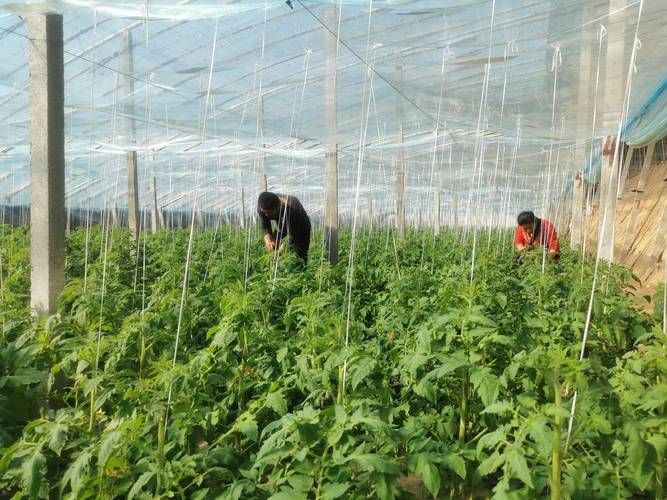
1. Take care of fertility management. These include practices such as weeding, water conservation, acupuncture, acupuncture, the whole branch, the removal of leaves, ventilation, improved control of pests and diseases, and improved temperature management. The disease of tomatoes is incurable and should be “preventive”. Temperature management means that the ventilation of the shed should be increased appropriately during the day, keeping the temperature in the shed at about 25°c and at night between 10°c and 13°c. When venting begins, the vent should be small to large and gradually reduced or closed after noon。
2. Catch fat water management. In the summer and autumn rainy season, tomato life does not normally require water, but it should also be properly watered when the 2nd to 3rd ears mature. Based on the growth of tomatoes, fats are being followed in due course to promote fruit growth and to preserve the fruits. Potatoes with micro-fertilizers are much more sweeter than non-funners, and produce much more。
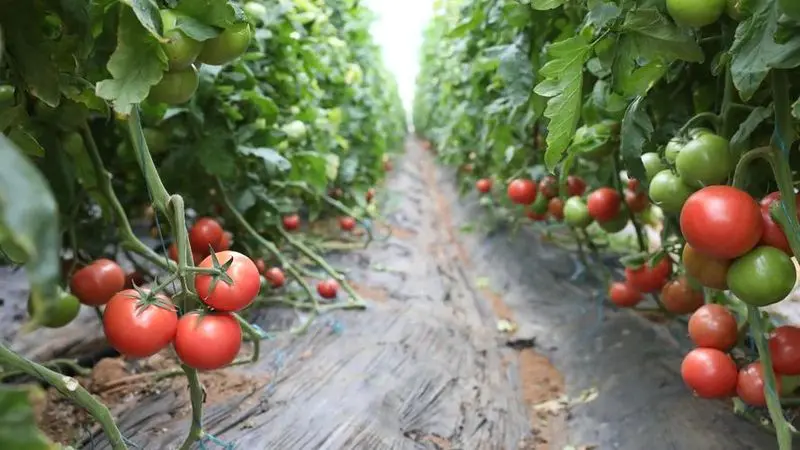
3. The production of timely fruit. The tomato matures over a period of four years. Stores can be collected during green seasons. Transport sales can be picked during colour change (one third of the fruit turns red). Local sale or self-sufficiency should be harvested at maturity, i. E. When the fruit becomes red by more than one third. The harvest should be light and light, preferably without fruit, in order to prevent each other from being stabbed in the shipment. Before the first frost, if there are unsophisticated green fruits, they should be taken and stored in greenhouses and then placed on the market after the fruits have matured, thus extending the supply period and increasing the economic benefits。









