


High-impact filter leaks, one of the projects tested in cleaner workshops, have received increasing attention since the implementation of the 2010 version of the gmp. It has become a mandatory screening project for pharmaceutical enterprises, and there are an increasing number of units in hospitals, electronics, food, cosmetics, etc. That perform high-impact filter detection. Here's a way to show you how high-efficiency filters can be detected
I. Sodium fire
The sodium pyrotechnic test dust source is the multidispersible sodium chloride salt mist and the “mass” is the brightness of the hydrogen gas flame when the saline is burned。
Salt water is splattered with condensed air, dry to form tiny crystal particles of salt and enter the wind and sample them separately before and after the filter。
Salt-containing aerosol samples make the hydrogen-gas flame blueter, increase the brightness, determine the concentration of the air salt fog by the brightness of the flame, and confirm the filter's filter power to the salt fog。
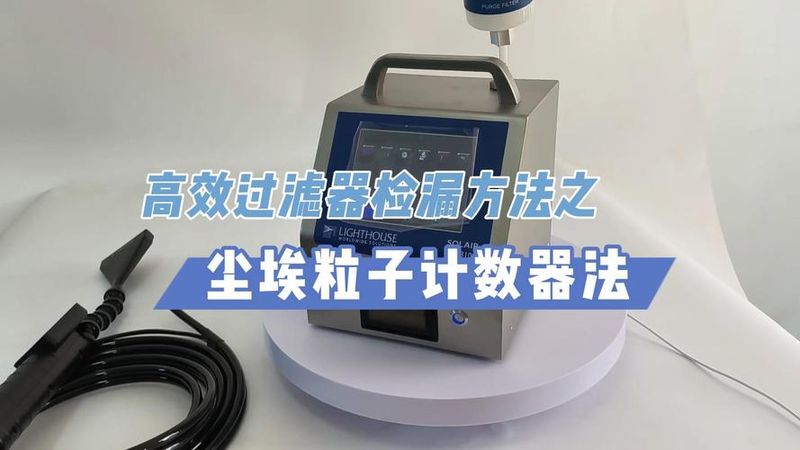
The primary instrument for detection is the flame light meter, which only detects sponges with low sensitivity and cannot detect ultra-efficient filters。
Ii. Oil mist
The oil mist test is based on oil mist, and the “mass” is the haze of the oil-containing air, and the filter's filtration power for the oil mist particles is determined by the dissension of the air sample before and after the filter。
Germany provides for the application of paraffin oil, which is 0. 3 ~0. 5 μm in size. When detecting filters, the oil mist simply causes damage to filters and cannot be read directly, wasting time。
Iii. Dop act
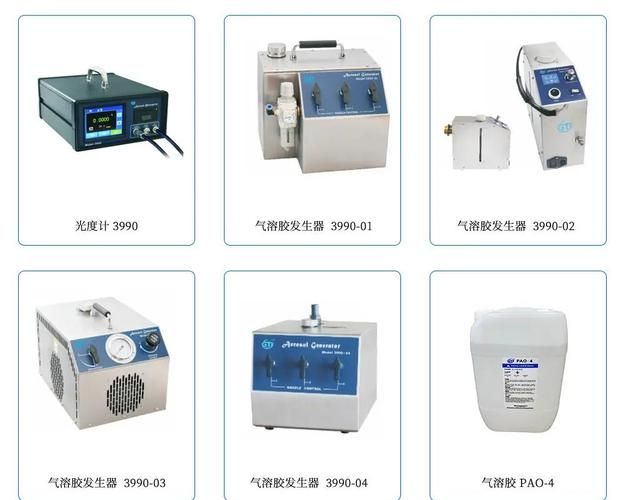
This has been a common international test for efficient filter sponges。
Its test dust source is 0. 3 Μm single dispersed diethylamethrin (dop) droplets, also known as "thermal dop" and "mass" is the degree of contamination of dop air。
The dop liquid is heated to steam, which condenses into microlitter droplets under specified conditions, removes large and too small droplets and leaves particles of approximately 0. 3 micrometres of particles, enters the wind channel, passes through a measure of the haze of the air before and after the filter, and determines the filter's filtering power for 0. 3 micrometre dust。
Iv. Fluorescent
The fluorescent test source is sodium fluorescent dust from the aerosol dispenser。
The test method is first to sample the filter before and after the sponge, then to dissolve the sodium fluorescent on the sample paper by water, then to measure the fluorescent brightness of the sodium sodium sodium solution under certain conditions, and the weight of the bright reaction dust, and thus to calculate the filter's filter power。
V. Particle count
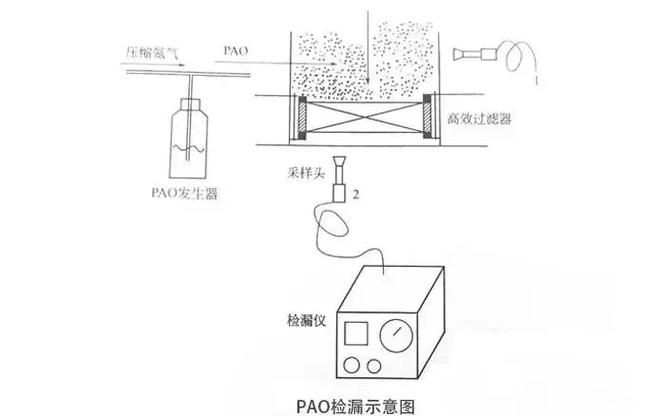
This approach is common in europe and the united states ultra-efficient air filter test is similar and is currently the international dry current sponge test。
The source of the dust is a multidispersive liquid droplet or solid dust that confirms the particle size. In some cases, filter manufacturers apply atmospheric dust or other specific dust in accordance with the specific requirements of the user。
If a condenser is used in the test, the dust source must be used in the single dispersive phase known to the particle size. The primary measuring instrument is the large flow laser particle counter or the condensation nodule counter。
The entire wind surface of the filter is scanned with a counter that gives the number of dust at each point and allows for a comparison of the local power of the points。









