


On the basis of the satisfaction of material life, there is also a greater demand for quality of life, with growing consumer demands for green and healthy vegetables ... Coupled with the growing spread of table culture and growing consumer awareness and demand for green vegetables. Against this social background, new technologies for vegetable cultivation need to be actively explored in order to improve the production and quality of vegetables。
In order to publicize the latest technological achievements in the field of soilless vegetable production in china, to examine and exchange information on the problems and future directions of the development of soilless vegetable-planting technologies and industries, to promote the development of high-quality non-terrestrial farming technologies, to effectively address the fault lines in chinese agricultural succession, to attract knowledgeable young people to smart agriculture, to provide solutions to the challenges of high cost and high risk of landless cultivation, to transform old crude management, to raise the income of new farmers and to enjoy modern urban civilization. At the same time, the development of digital agriculture has been promoted, leading to the steady growth of the landless vegetable industry, and we have organized the 44th technical training course on landless and green vegetable plantation.
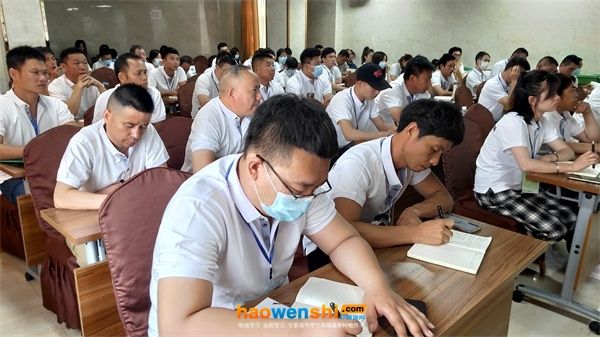
Classroom learning
Course catalogue
I. The domestic urban agricultural development model
1. Integration of agriculture and tourism, horticulture models
2. Small family farm planning and design
3. Industrial production patterns
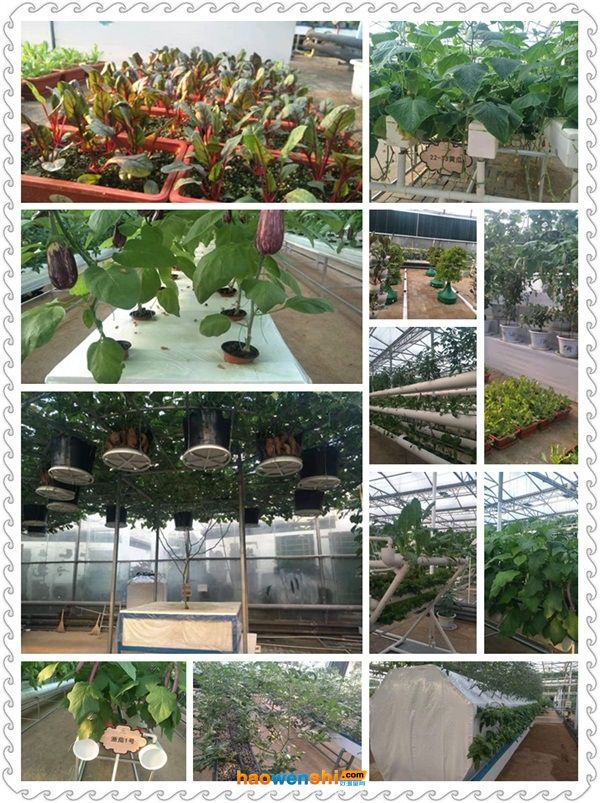
Visit to the expo
4. Agricultural models for high-tech facilities
5. The balconies model for agricultural development
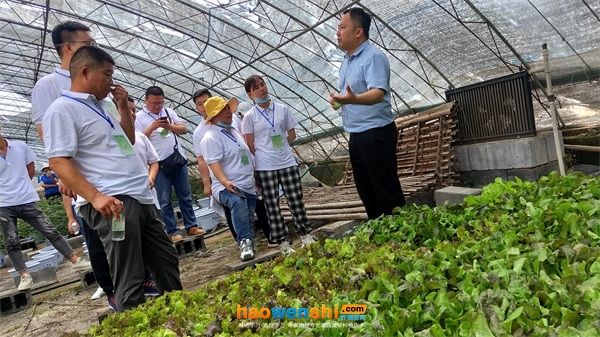
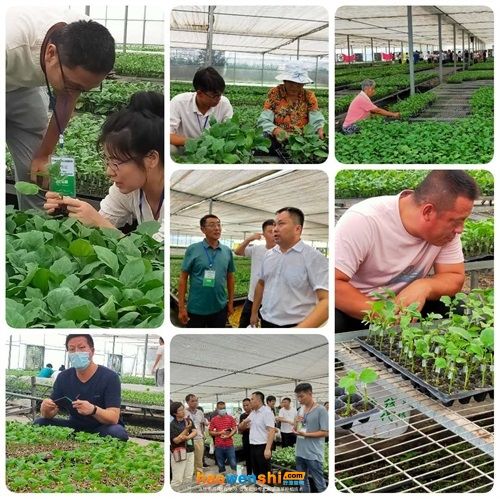
Visit the plant base
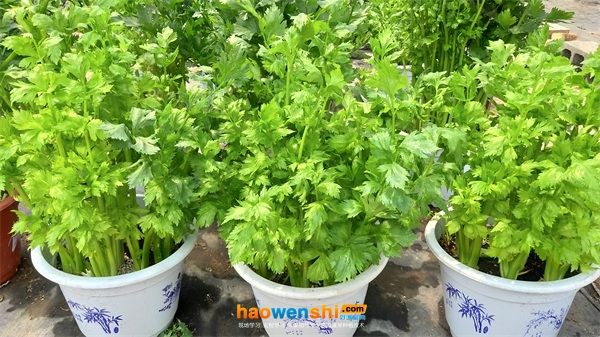
Celery
Course ii: efficient vegetable cultivation management
1. Thermal water fertilizing root and root fruit, standardized vegetable management techniques
2. Vegetable gardening solutions to the problem
3. Pest prevention and control techniques
A nursery base
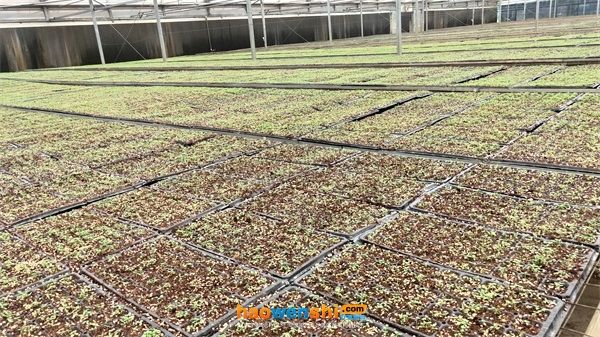
Plant nursery base
4. Fertilizer fermentation, simple organic fertilizer production
5. Green double-a vegetables required “biopharmaceuticals, physical control, biological control”
6. Methods of soil slabing, salinization, acidification, saline improvement and high-yield cultivation techniques
7. Facility soil ecological improvement and geodynamic fertilizers (carbon-based fertilizers, soil adjusters, new fertilizers, etc.)
Lesson iii: earthless series
1. Foundations, strengths and future trends in soilless cultivation
2. Description of soilless cultivation methods: hydroponic, fog-based, matrix-based, coconut-coalding, aerial, piping, tidal-based, porch-planting
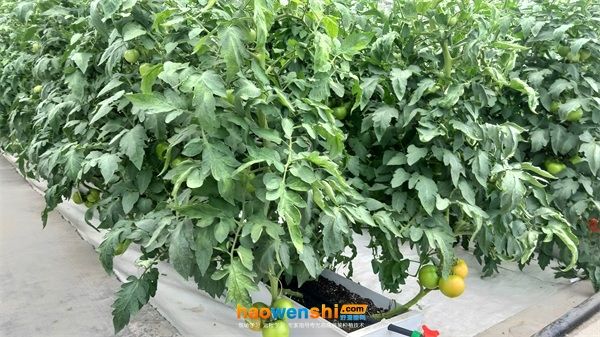
Base culture tomatoes
3. Non-earth-plant technology demonstration techniques: tree-based (stoms, eggplants, peppers), giant pumpkin cultivation, aerial cultivation
4. Landless cultivation experiments in saline villages, with 40,000 pounds of saber tomatoes as an example of planting processes
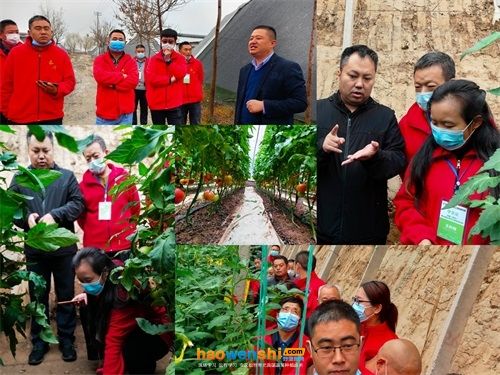
Visit to the potato room
5. Basic inputs for soilless cultivation in the arctics, the solar greenhouses, the greenhouses, the smart sheds
6. Composition of unearthed facilities, internal design planning and cost construction
7. How to grow more than 10 leaves using home-made floaters and cycling nutrients
8. The impact of the drip irrigation model on vegetables
Course iv: selection of garden varieties
1. What are the most common vegetables and vegetables collected in the park
2. How to rationalize the matching of the species taken
3. Advantages for specialty fruit, insinuation, efficacy, taste type ..
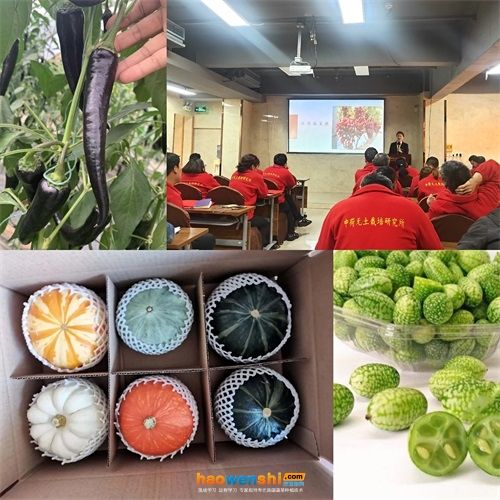
Selection of garden varieties
4. Matters requiring attention for extraction
Lesson 5: nutrient formulation and regulation
1. Nutrient ec values for soilless cultivation and how ph values are regulated
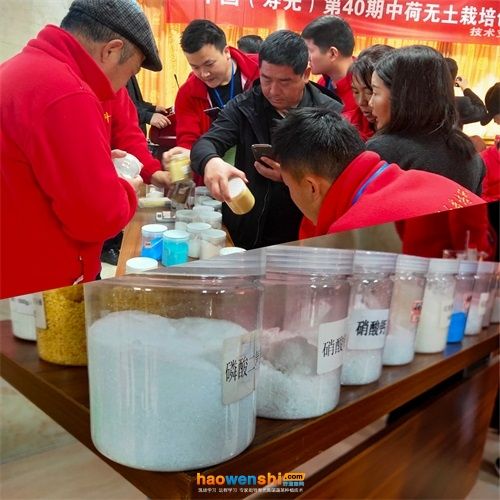
Formulation of nutrients
2 period of hydro-nutrient irrigation, planting period, primary fruit period, values ec, ph values for the festivities that's right
3. Treatments for the appearance of mosses in unearthed work fluids
4 the provision of nutrient teaching formulations is accompanied by the field distribution of nutrients
5. Non-reflow and non-washing techniques, methods to eliminate salt hazards and methods to reduce the number of irrigations
Course vi: strawberry advanced plantation technology
1. Substrate physical disinfection, chemical disinfection, secondary fermentation
2, nudity seedlings, fake seedlings, cavecage breeding methods
3. Common disease prevention methods such as pollinosis, red spiders, red poles and anthrax
4. Rate of soilless strawberry fertilisation, how much weight is used
5. Field visit to groundless strawberry fields
Six. Why grow strawberries first? Bear. Bee
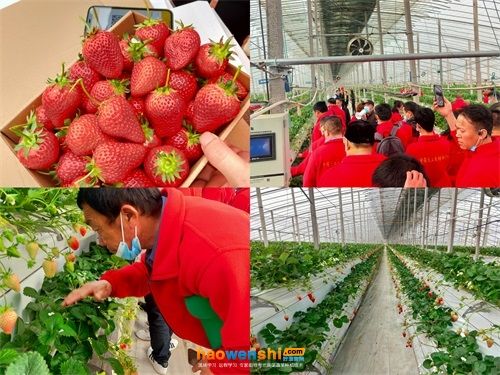
Strawberry plantation
Course vii: park planning and the use of technology for physical networking
1. Selection of shed areas, planning for design and application of temperature control and networking equipment.
2. Selection and display of vegetable varieties suitable for all parts of the country
3 the campus offers recommendations from the media, online, and electric operators
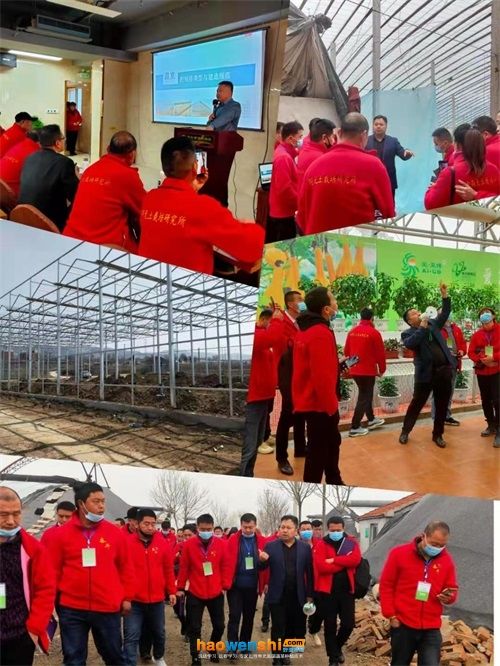
Room area planning
Classes
New forms of training. Investing in the relevance, relevance and normative aspects of training through a combination of theoretical training and hands-on practice, expert delivery and interaction with participants, field observation and skills identification
2. Teacher strength. Teachers from leading institutions of higher learning, scientific research institutions, leading firms, etc., have extensive teaching and practical experience, bringing up-to-date and most practical knowledge and technology to the participants
3. Follow-up services are excellent. Trainees ' files were established to clearly document their names, ages, home addresses, training specializations, training hours, contact details, etc., and follow-up services were provided to trainees after the completion of the training, as well as to learn about their educational combinations and employment, and to help them to grow wealth and provide strong talent support for the development of modern agriculture
4. One registration, lifelong learning. Each course will be updated, with a later stage, and the previous class will be able to continue and ensure that it is in place
5 resource integration. At the same time, the course provides project financing and interface platforms to help participants address financial and resource problems in enterprise development. And share school resources and information
Organization of internships. Students who want to learn the techniques of vegetable growing will be placed in demonstration areas and followed by agricultural technicians for free
Organization of training
A combination of teaching methods, such as practical matching of study sites, etc
2. Practical studies on pelvis-planted vegetables, soilless cultivation bases, time-limited, up to the institute of food and accommodation
3. Examination qualification and certificate of completion
Place of visit
1. The modern high-tech agricultural integration demonstration area of the sunlight city covers more than 1,000 acres and brings together all domestic and foreign sheds, plant varieties and various planting techniques
2. Aaaa-level specialization at the international vegetables technology fair exhibition
3. Agricultural demonstration parks cover more than 2,000 acres and produce nearly 2,000 fruit and vegetable varieties, such as cucumbers, tomatoes, eggplants, peppers, melons, etc., in research breeding grounds
4. 20 years of saber experience at saber-free scavengers, low investment and high returns, introduction of irrigation equipment, water and medicine, reduction of humidity in the shed, few diseases and pests, no root wireworms, endemic diseases
Training costs
1,2980 yuan/person (including fees for study tickets, travel to and from the base, training materials, certificate of completion fees, premises, lectures) for accommodation and accommodation, at their own expense. Once and for all, you're free for life
2. The participants receive preferential treatment: free technical services for life, free televised solution of the problem, free tuition for old students to attend the training course, free of charge only for boarding fees (except for special courses). High-level agricultural qualifications may also be declared (agricultural career managers, agricultural brokers, rural e-commerce practitioners, gardeners, fertilizer formulators)。
Time, place
Time: 16 july-20 july 2021
Venue of the meeting: sumigang city, xiu fong city, shandong province
Epidemic control request
Participants and family members living together are not confirmed cases of new coronary virus pneumonia, suspected cases, people with no symptoms, or close contact with the three categories. In the 14 days prior to the meeting, there was no history of travel and exposure in priority areas (both offshore and high-risk areas in the country)。

Registered study contacts: 180 5366 7590 t (miscular equivalent)
Registered study contacts: 133 3636 0693, teacher wang (websan symphony)









