


Autumn and winter are the hot seasons in which onions are planted, and many farmers are planning to plant them. But many people grow onion leaves that are so long, that garlic is so small, they can get sick, they've been working for half a year, they're not getting paid。
In fact, the threshold for field onions is not very high, without the input of a large shed, as long as the management of water fertilizers, pest and disease prevention and control are in place, the garlic is full, the production is up, and the revenue is good for the season。
I. Make sure you're right
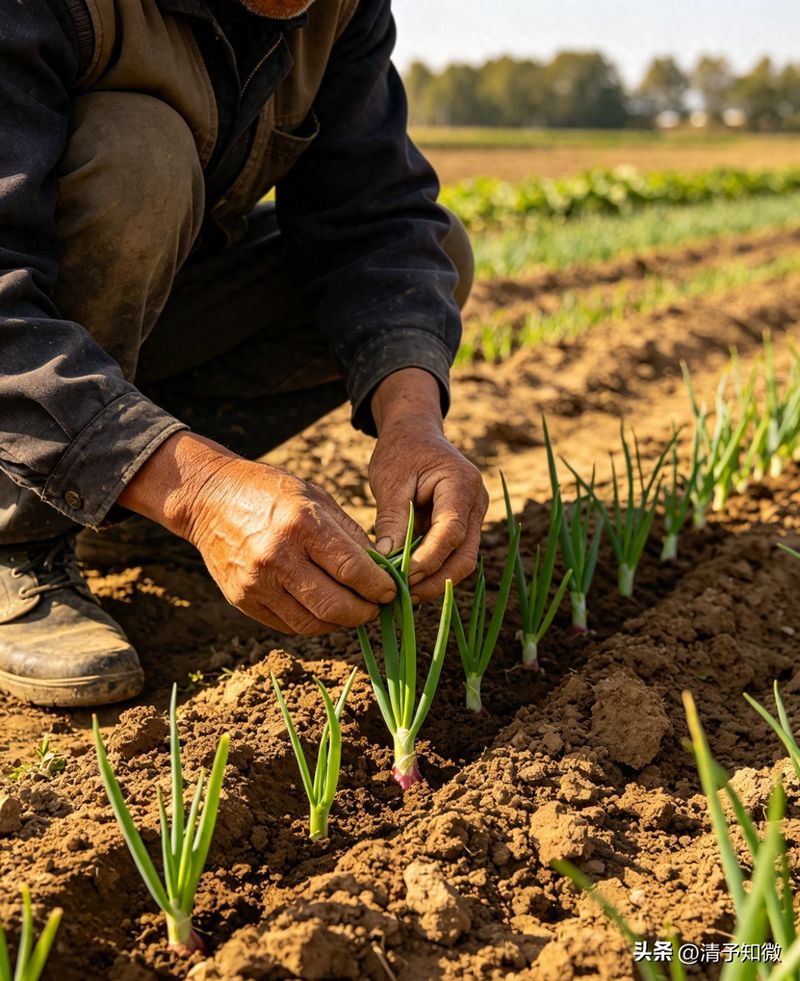
The density of open onion planting determines later. Cultivation is too dense, leaves are shielded from each other, ventilation is poor and garlic is not too long; planting is too wasteful。
Line distance is about 20 centimetres, 15 centimetres. It is crucial to plant deep and shallow, to bury the ground without having a small seedling base, and to plant too deep, it is easy to grow leaves without a ball. After planting, the water is watered over and over again, so that the seedlings can survive。
Ii. Phasing water in stages, with no fear of flooding
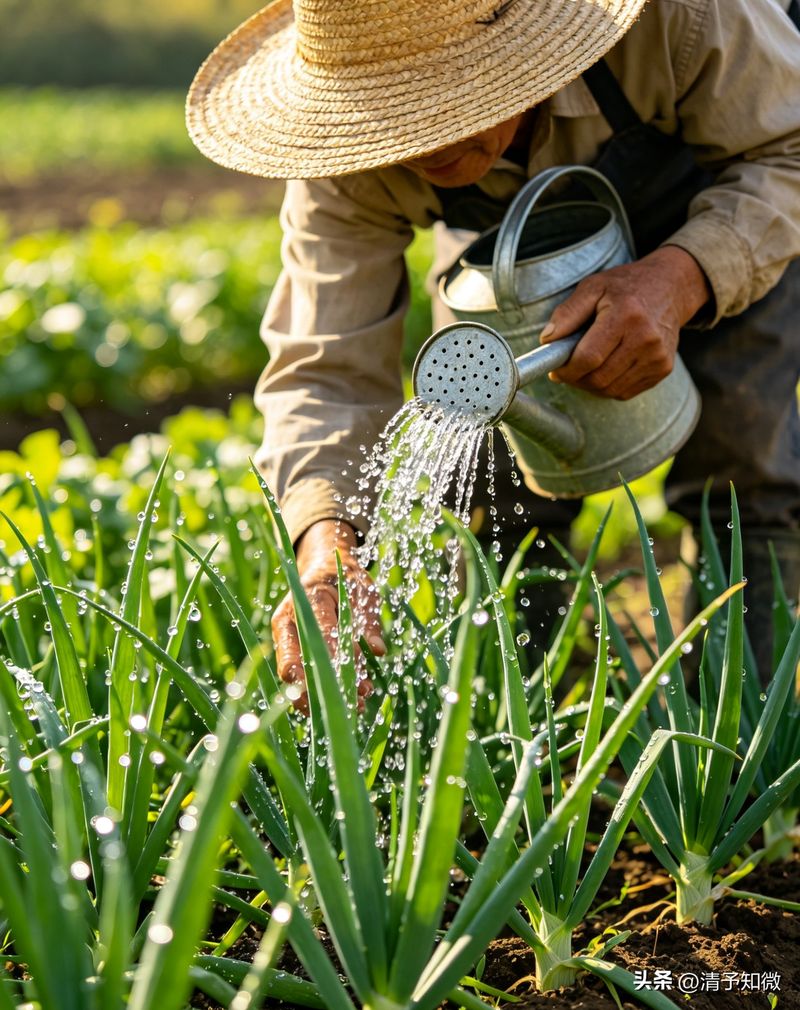
Onions are shallow and resistant to drought and flooding. The moist soil is kept moist and the moisture is too high to rot yellow leaves。
In spring, the temperature rises again, and when the tubers expand, the amount of water is increased, and regular recharge is required to ensure that the garlic swells. Water is stopped during the first half of the month of harvest and is easily stored and not perishable. The rainy season was characterized by a timely run-off of water, which was the main cause of the high incidence of disease。
Iii. Science for fattening and promoting garlic expansion
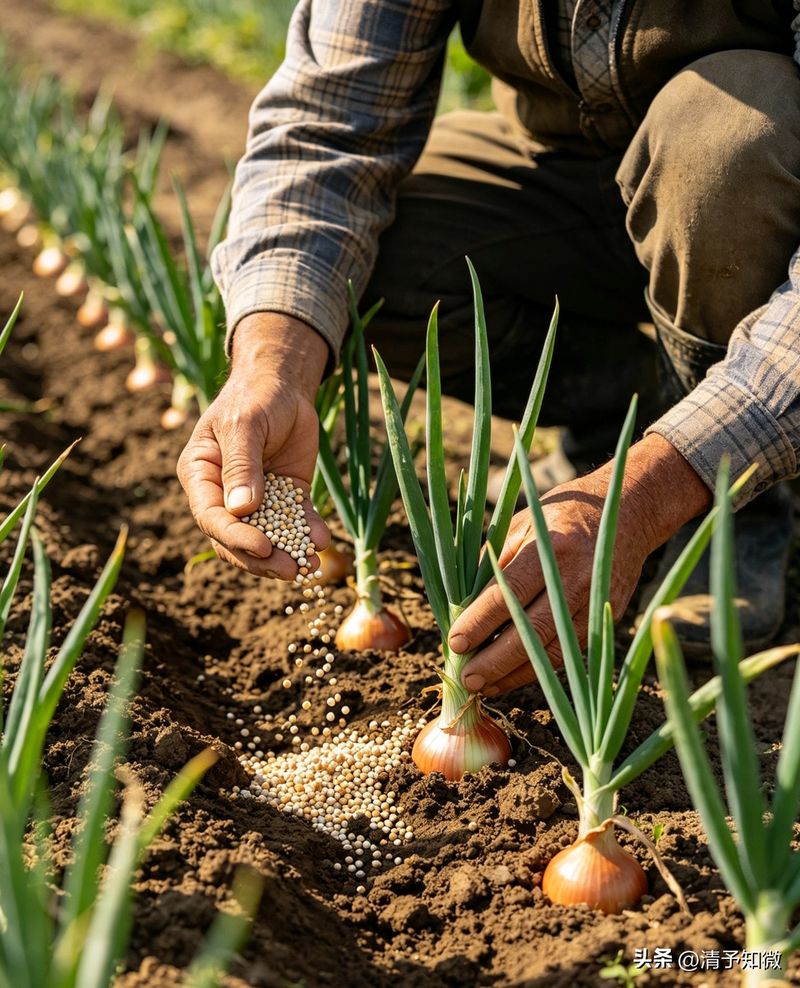
The seeding season is dominated by nitrogen fattening, which promotes the robust growth of the leaves. Until the plant grows to eight or nine leaves, the garlic is about to swell, with a focus on increased phosphorus fattening。
Potassium is abundant, onions big, skin tight and durable. A single application of nitrogen fertilizer at the end of the period is highly likely to result in long run-downs and low-quality garlic. A small number of times to catch fat and absorb better。
Focus on common pests and diseases
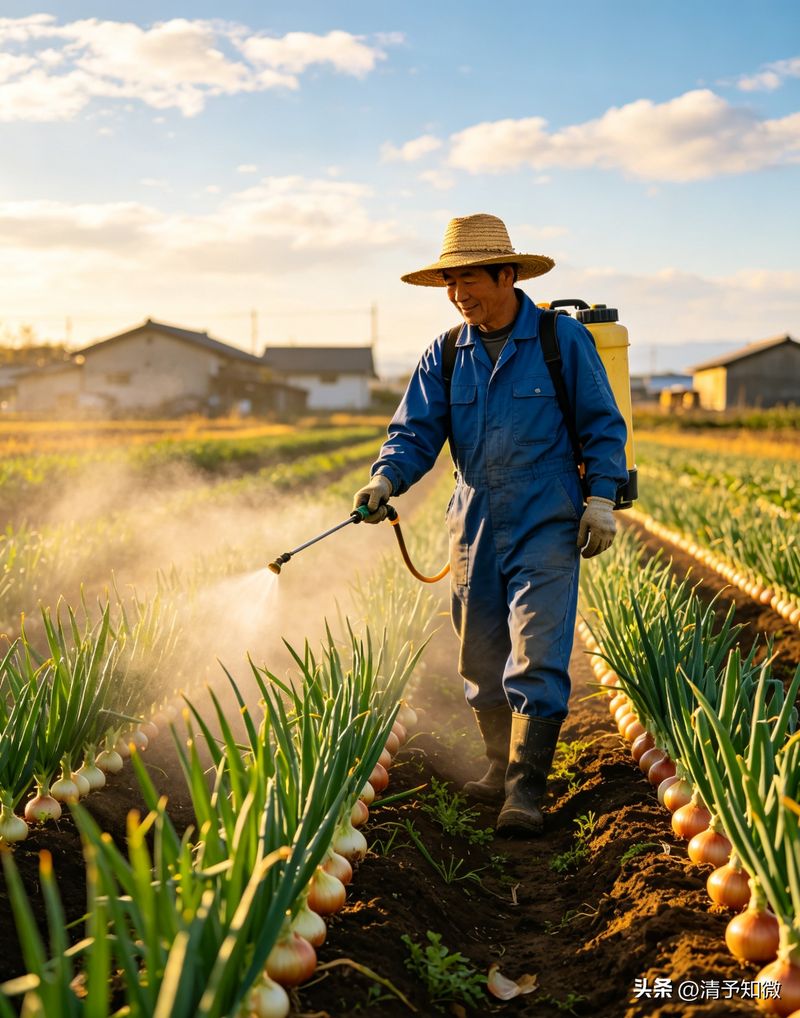
Open field cultivation is most common, with frosty, purple spots and sarcophagus. It's cold and wet, and leaves tend to be yellow and dry。
Timely ventilation and wetting after daily rains reduce the growth of bacteria. Sporadic leaves were found to be removed and pre-prevent them. Insects eat leaves, affect photosynthesis, and later expansion is affected. Early prevention is much less costly than treatment after illness。
V. Requirement of receiving and advanced
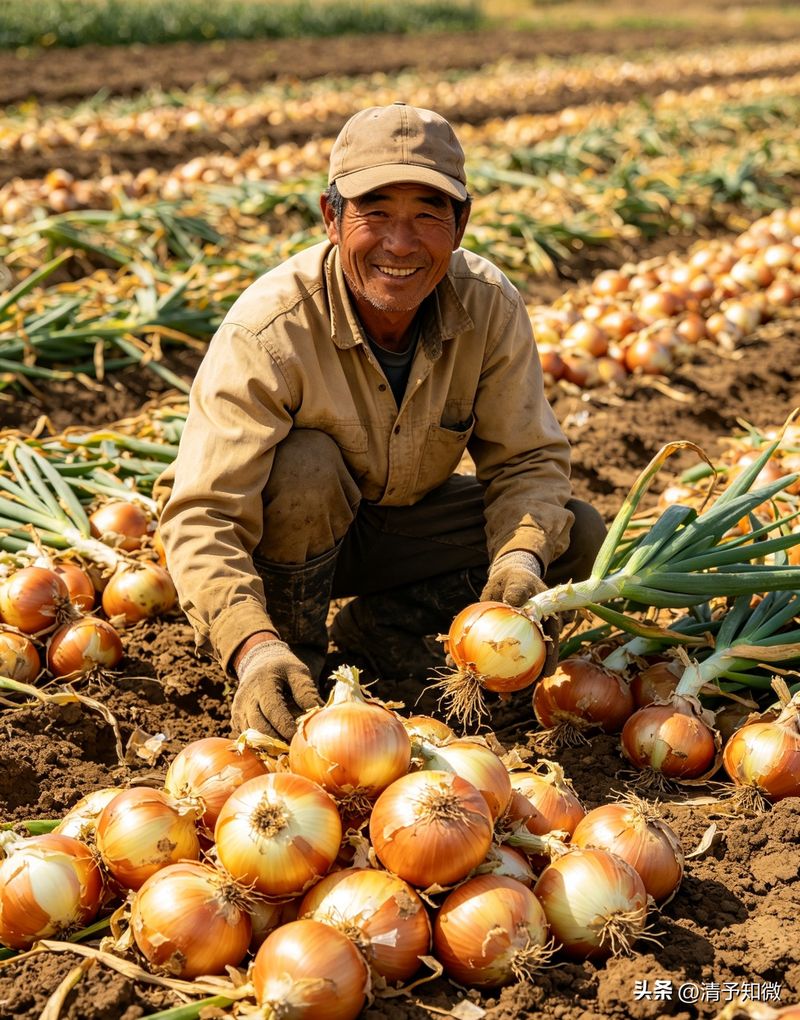
Onions can be harvested with dry skins on the outer layer, and blades naturally fall. Choosing the sun, drying it up and then packing it. The skin is intact, and traders prefer to buy it at higher prices。
Many farming households are unable to grow onions, mostly in management. The above points are implemented in such a way that onions on the ground are as productive and the proceeds of daily sales are stable。
Carnation: this paper is based only on technical science, and there are differences in climate and soil quality from one place to another, for reference purposes only, and does not constitute a revenue commitment。









