


In the middle of the summer, temperatures are hotter than a day, temperatures are stable at over 30°c in many places, rains are high in the south, rainfall is good, wheat harvests in the north are almost complete, and vacant areas are wide open, the golden phase of summer-scrawling vegetables. A number of agricultural farms have grown blindly in the open, looking at old experiences, and are unable to distinguish between heat-resistant and heat-resilient crops, either sowing over time, missing the best life span, or failing to select the species, either burning the seedlings to death by the sun after planting them, or continuing high temperatures with no fruit at any later stage, working for months with fertilizer, and eventually losing or even losing their harvest. I have grown vegetables in the field for more than 20 years, and i have been growing both garden gardens and daejeon crops, and i have experienced countless failures to grow them. I have slowly drawn up a variety of crops suitable for the summer, organized in accordance with the north-south climatic differences, and new and old farmers have direct access to the ground。
I. Guacamole
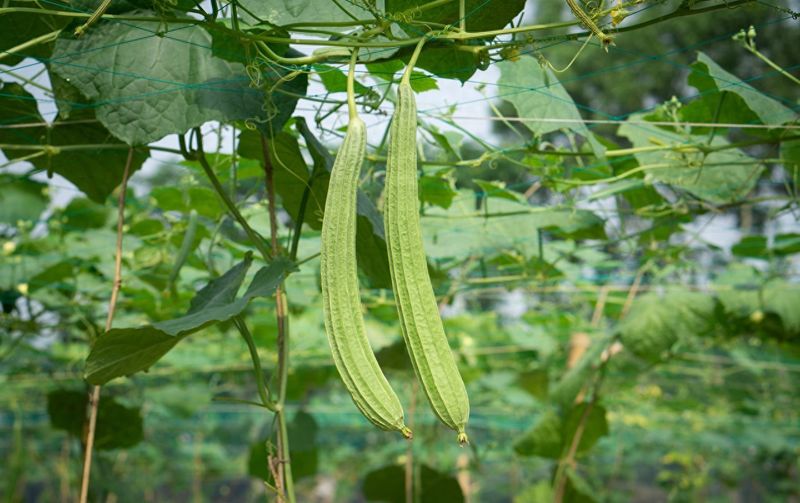
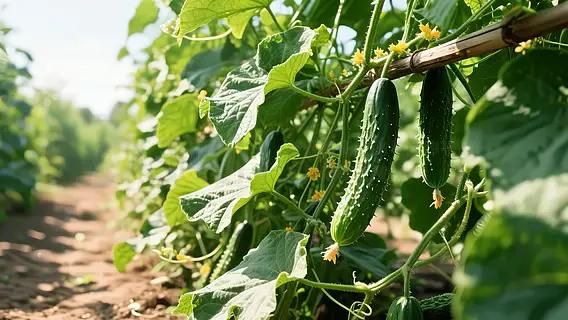
Autumn cucumbers are the first to be planted live in the open, with the best seeding time in the early and early summers of the yellow and north china plains, where the soil is replenished by the rainy season and the rate of seeding is high; south china coastal areas are hot and hot, the surface soil is too hot, and the seed seed seed that is prone to high temperatures and burns is planted directly in the open. If the planting time is delayed by 10 and a half days, the temperature after the fall is less than the demand for cucumbers, and the vines are strong but small in size in size and short in size. Autumn scavengers are given priority, rather than direct seeding, and the northern plot is fast enough to finish planting in the early part of the summer. The south avoids high noon temperatures, opts for the best in the dark day or evening, planting is too late, cooling is fast after the fall, the guacamole is blocked, and the vines are crawling hard to pick。
Ii. Vegetables
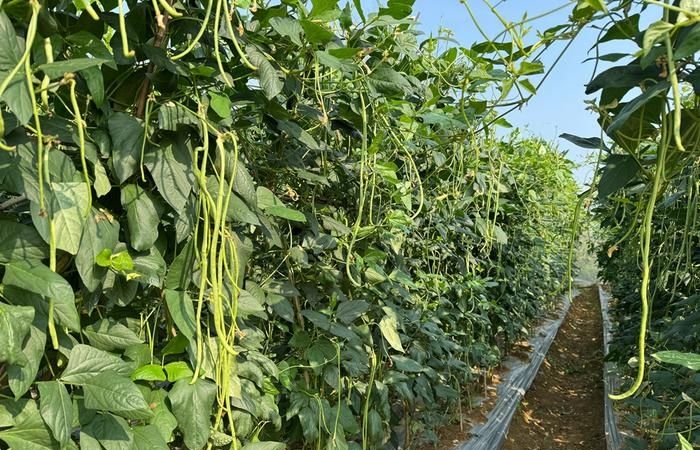
The summer is the last suitable planting window of the year, and the continued high temperature after it's missed will result in cynicism. Bean sprouts fall, flowers grow infrequently and yields are reduced significantly; in the north-east, the high-cold regions of the north-east and the inner-mont regions, the rate of cooling is fast, and it is necessary to select early and short-term childbearing varieties to shorten the growth cycle. The four-season bean planting is extremely geographical, with seedlings being grown only in the shades and low-lying shades of the south, open-field fields and summers in the north, high-temperature environments where breathing is hampered, and short-lived seedlings make it very difficult to settle successfully。
Iii. Hot leafy
The three types of cabbage, cabbage and mussels are freshly needed in the summer. They are warm and rain-tolerant. They can be broadcast in the open air throughout the north and the south. They can then be planted in a wet soil and be collected in batches in just over 20 days. It is difficult to sell cold vegetables, such as cabbage and lettuce, in high temperatures, which are prone to early fibrosis, with bad tastes. Only the northern corrugated corsets of small arches can provide small trials of seeding, and the southern expanses must not sow in large areas, with basic quantities of waste。
Iv. Current current
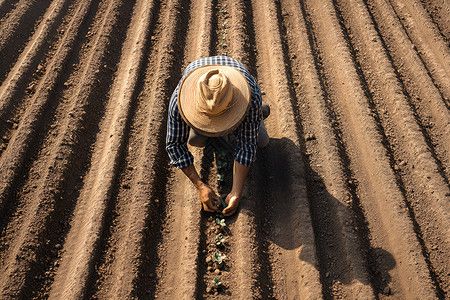
The green beans and freshly eaten black beans are suitable for direct on-demanding of idle wheat plots, and it is important that the northern region be fully planted before the end of the summer, and the southern climate warms up by five to seven days. Infringement of late-sowning temperatures, insufficient soybdenum of beans, dry seed grains, low yields and a significant decline in the quality of commodities. In addition to this, the summer potatoes have the highest rates of activity in the summer season, while the rains have been followed by a high level of affection, and have had a high level of growth in the area。
The summer is hot and rainy, the fields are given priority, the trenches are smooth and smooth, and the rain-fed seeds and seedlings are eliminated; the wheat fields are cleared of debris and weeds before planting; and the ground seeds are easily burned by the piles of straw and fermentation. The seeds are planted in the field to avoid the noon sun and to operate after the weather has fallen in the best-selection evening, increasing the survival rate. High-temperature weather geishas, soybeans and moths enter high gestation periods, usually with shallow pine soil, improving ventilation in the fields and reducing pest breeding environments; freshly desolated seedlings encounter successive extreme tans, where they are easily covered with straws for two to three days, with a smooth breakover。
In sum, the core of small summer vegetables is the choice of heat-resilient varieties, combining the temperature of the home area with the rational planning of planting time in the dry and wet state of the plot, allowing for a minimum of live transmission of the seedlings, and for a period of time to catch up and wait. What kind of guacamole and vegetables are you used to grow during the summer? What do you have for local planting know-how。









