


Text:
A combination of north-south customary and open-air cultivation, by spring, summer, autumn and winter, shows the timing of seeding/replanting, varieties, planting points, harvest periods, taking into account household consumption, management and production。
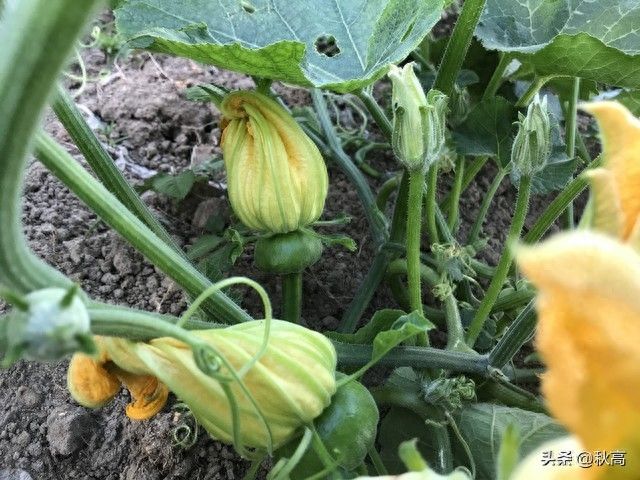
Pumpkin's growth period
Spring planting (february-may, warm season, year-round planting of vegetable gold)
February
- cold-resistant lettuce: cabbage, lettuce, cabbage, cabbage, onions, pickles
Cultivation: open air, night-covered membrane anti-frozen, broadcast in small groups
Collection: 25 to 40 days after seeding
- feeding: chili, eggplant, tomatoes, cucumbers, pumpkins, cucumbers (indoor/small arch sheds, no live air)
March
- vegetables: cabbage, artemisinin, spinach, garlic seed
- cucumber beans: quail beans, beans, peas, potatoes, mountain medicine
Potatoes: cracked tremors, 30 cm range, soil 10 cm
Beans: on-demand, 2-3 per lair, stretching up to increase production
- roots: carrots, carrots, blue carrots
April
- vegetables: peppers, eggplants, tomatoes, cucumbers, cucumbers, pickles, pickles, pumpkins
Point: choosing to shift in the evening of the sun, pouring down the root water, making the seed season less frequent fat
- reproduction of leaves: pickles, mussels (sweet, available in batches throughout the year)
May
- go on: cabbage, pickles, beans
- spring pick-ups: curds, garlic, onions, peas
- cleaning up the ground for the summer vegetables
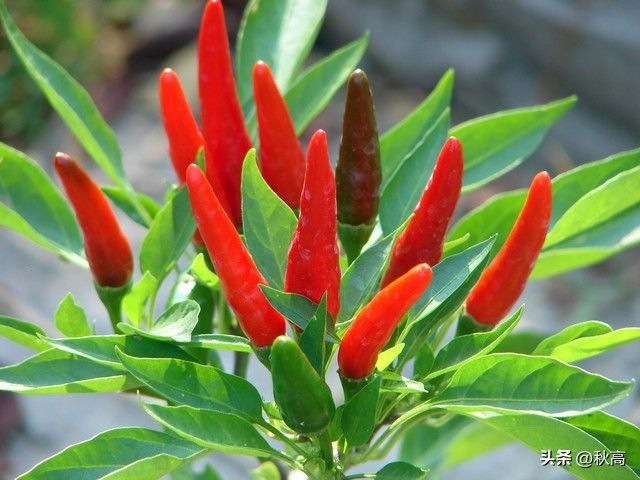
Paprika's fire red
Summer planting (june-august, hot and rainy, flood-proof)
The summer features: high temperatures, heavy rainfall, priority for heat- and wet-resistant varieties, shade, drainage, pest control。
June (early summer)
- melons: cucumbers, cucumbers, cucumbers, cucumbers, cucumbers
- legumes: summer beans, long bean bean bean bean bean bean (spreading, continuous harvest)
- leaf (heat-resistant): cabbage, cabbage, cabbage, mussels, sweet potatoes
- root root: radishes, sweet potatoes
July
- the main course is hot: cabbage, pickles, pickles, pickles
- volodya, hot cabbage
- feeding: autumn cabbage, autumn radish, autumn fragrance (early seeding, protection from high temperatures)
August
- in the first half: continue planting beans, cabbage
- mid-second (ray autumn): cabbage, cabbage, autumn radish, mustard, live open air
Rural tradition: pickled cabbage, summer radish, timely water supply when seeded
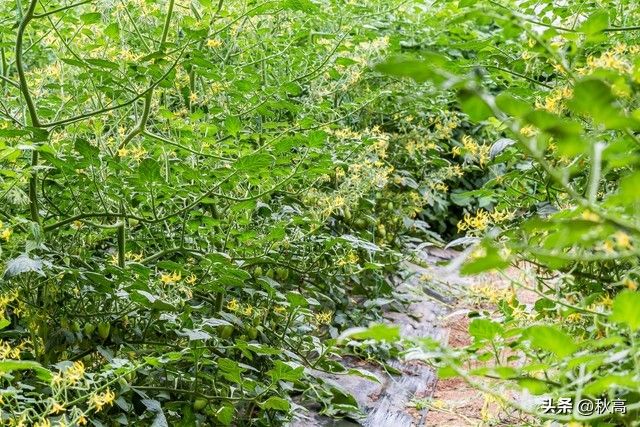
The flower of tomatoes
Autumn planting (september-november, cool and suitable, main reserves for autumn and winter)
In the autumn, the climate is mild and the vegetables are well developed, mainly for winter and winter food, with high yields and durable storage。
September
- transplant/live: cabbage, cabbage, cabbage, broccoli, broccoli, kale
- vegetables: cassava, spinach, artemisinin, oilseed, ointment
- roots: carrots, carrots, chickens
- legumes: beans in the autumn and four seasons (short-term harvest, before early frost harvest)
October
- reproduction of cold leaves: lettuce, oatmeal, garlic seed, onions
- management: cabbage, radish swelling, hard watering, thin fertilization
- grow garlic
November
- harvesting: cabbage, radish, mustard, vegetable flowers (timely harvest, protection against early frost)
- in winter: berry, onions, spinach, cinnamon
Point: roots are frozen and can get through the winter in the open
- clean-up of gardens: cleaning of broken leaves, tilling of land, fattening of decomposed farmers land
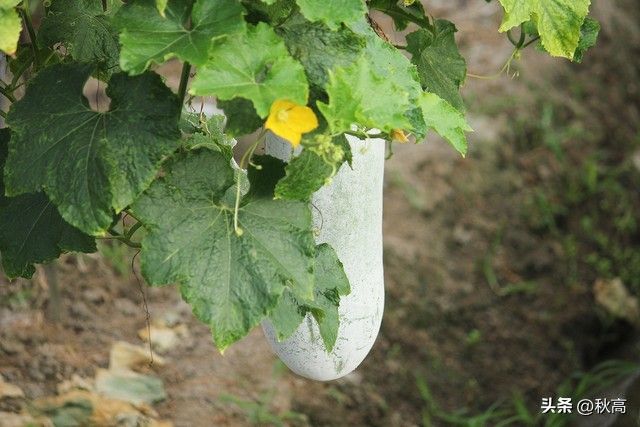
The shame of the winter melon
Winter planting (12-january of the following year, low-temperature hibernation, mainly winter-resistant)
They are divided into open winters and sheds, with a focus on temperature protection in the north and normal cultivation in the south。
December
- open-air winter foods: spinach, cinnamon, pickles, onions, garlic
Management: less water, roots covered with straw/drive to prevent freezing, and no fat pursuit
- trailed (small arch/simplified shed): cabbage, lettuce, barley, pea seed
January (coldest hour of the year)
- open-air: only winter food, not much new
- in the sheds: a series of fast-growing leaves and food before and after spring
- farming: deep-burned land, farmer fattening, repair of farm tools, gardening
Supplementary practical tips (rural garden general)
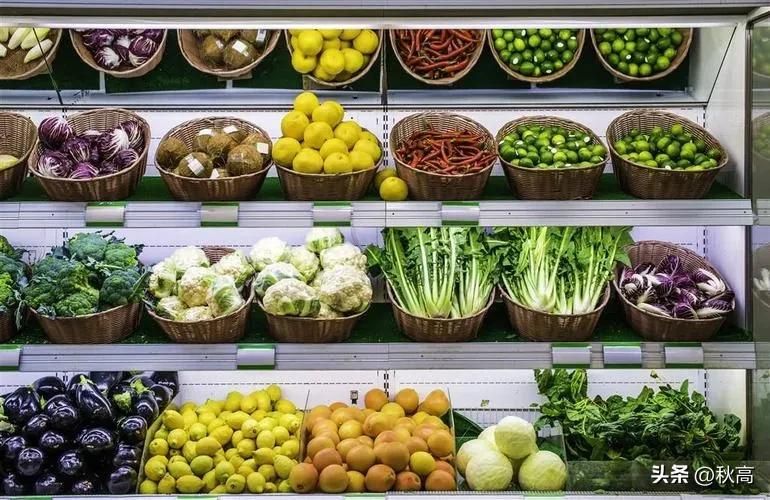
Standardized city restaurant
Scattered seeding: cabbage, cabbage, cabbage, cabbage split between three and five batches of cabbage, to achieve continuous harvest and not to concentrate on ending the meal。
2. Rotation principle: rotational cropping of melons, pulses and leaves, avoiding duplication and reducing pests and diseases。
3. Fertilizer: farmers are dominated by fattening (rooster dung, goat dung, decomposition). Leaf and vegetables are watered, and root and root vegetables control the later stages of water fattening。
4. North-south fine tuning
- north (north-east and north-east): spring and autumn delayed/five to ten days in advance and winter must be covered and covered to prevent freezing
- south (south of the yangtze and south china): normal open-air gardening during the winter and increased drainage during the summer。
5. Self-serving: autumn cabbage, radish, mustard pickles, cellars for the light winter season。
Anything you want to say? Welcome to the comment section
Disclaimer
The article, which describes the process, the photo part of which is based on the internet, aims to promote the positive energy of society, free from negative guidance such as cheapness。









