


In the countryside, it is clear that the agriculture arrangements for the twenty-fourth gas season are very relevant to the actual climate, and that, after a brief period of time, there is also a golden period of one year to plant the melons。
Many farmers are in trouble every time they arrive, and the fruit planted in the spring is either old and slashed, or its volume falls, and its taste is worse than before. To replant the new melon, you can't get the right species. The planting of early guacamole misss the best time, while the planting of late guacamole worries about the high temperatures affecting growth, the small number of hanging fruit and the difficulty of achieving the desired harvest。
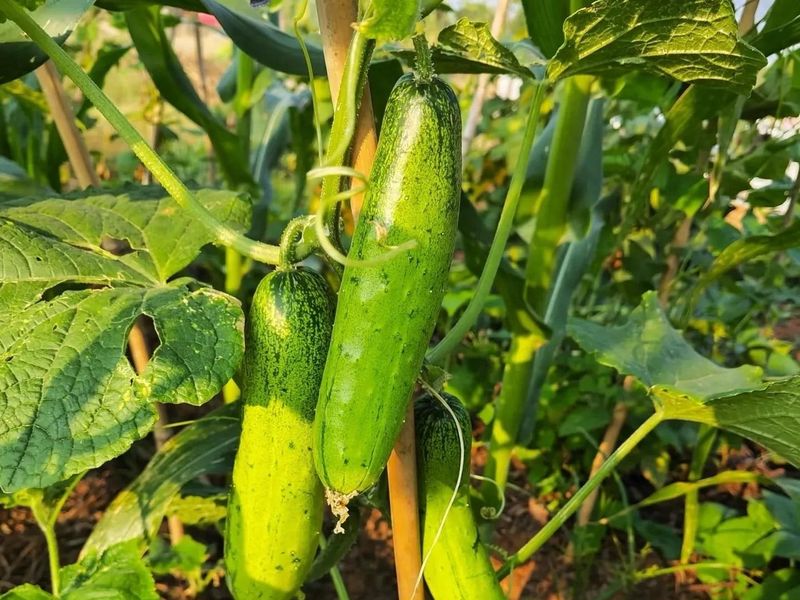
There are also many family friends who grow their vegetables, and when spring and summer turn, they always leave empty spaces and waste precious planting time. When the supply of guacamole fell in july and the purchase and sale price increased, their gardens were empty, and they could only watch others rely on vegetables to increase their incomes and lose a good opportunity to raise their revenues in a season。
The only way to make a living is to adapt to changes in the economy, take up the market slot and manage the market. When it is over, the temperature rises steadily, the rainfall is abundant, the day-to-day light is sufficient, and the overall environment is well suited to the rapid rooting of various species。
Taking into account the practical experience of its many years of field planting, four species of melons suitable for small and full planting are selected today. These are short-lived, most of which are harvested in about 60 days, and are characterized by heat and water resistance, strong disease resistance and daily care, and are listed at a good price in july and august. It would be appropriate to grow their own vegetable gardens, to collect surplus guacamole for sale at a market, or to increase income from small-scale specialized planting, so that ordinary farmers could grow according to their methods, which would yield good planting benefits。
I. Responsiveness to the advantages of gas-efficient species, and the old farmer's honesty
Many of the friends who had just begun to grow were confused, and the old generation often said that the small seasons were suitable for growing the melons, for a variety of reasons。
The most striking feature of the low-morbidity is the complete recovery of temperature, the non-recurrence of cold and freezing roots, the uneven distribution of rainfall, the favourable light conditions and the suitability of the overall climate for crop growth。
Cultivated in the spring, they are often caught in the cold of the spring, which tends to lead to stagnant seedlings, decaying roots and less stable survival. The success rate of the guacamole can be significantly reduced by planting during the summer season, high external temperatures, hot suns and dry water shortages, and the concentration of field pests and pests。
Only in the post-slight period, the temperature is cold and the temperature is moderate, the soil is decompressed by warmer temperatures and the temperature differentials are coordinated by day and night. The planting of seedlings during this period is fast, slow and slow, and the vines are growing rapidly and the fruit can form。
It is particularly critical that the marketing time be right, that the planting of seedlings be completed in small numbers, and that the growth cycle of about 60 days coincides with bulk harvests in july and august。
Farmers who regularly sell agricultural products are aware of market patterns, and between mid-july and august each year, the spring-cooked guacamole is almost completely out of the market, there are gaps in the supply of the guacamole grown in the open, and there is a growing demand for the market, with the price of the guacamole steadily rising, whether it be bought or retailed by vendors。
It is also a practical technique to stave off market peaks and boost the profits of market-oriented crops by reducing the production of guacamole in other fields, with its own vegetable gardens full of branches, stable production of guacamole and high prices for its sale。
Ii. Four fast-growing guacamole, 60 days of harvest, with an increase in the summer and autumn season heart
First type: cream melons
Many farmers prefer to grow large winter melons on a day-to-day basis, while ignoring the advantages of small time-drive planting, which is also a highly productive type of melon in summer。
The melon itself is resistant to heat and flooding and does not impose stringent requirements on soil fertility, which is more resilient to disease than normal winter melons, and does not require too much effort in day-to-day care. Its largest planting point is the short maturity cycle, with dense distribution of vines and melons capable of continuous harvest in batches。
Suitable planting scenes
Family gardens, unoccupied plots on the edges of the field, spare areas for crop varieties and open fields are available for planting, and there are no stringent requirements for planting sites and soil quality。
The technique of field planting
1. When low-temperature stress is over, seeds can be on-demanded directly, without the need for early breeding, and the right temperature environment can accelerate seed growth, yield a high degree of integrity, and do not need to be replaced on a daily basis。
2. Maintenance of a single plant space of approximately 40 centimetres during planting it is sufficient that planting is not too intensive and that planting density tends to lead to vines and vines and reduce the number of melon fruit formations。
3. The growth phase of the seedlings does not require a large amount of fertilizer until the vines begin to climb and grow, with a small amount of manure applied to mature farmers, or with grass-grain in the root of the plant, which will enable the tubing to grow and increase the probability of sitting fruit。
4. There is no need for a cumbersome trimming and regular removal of yellowly aging leaves from the base of the plant to ensure a smooth flow of ventilation between vines and vines。
Revenue from harvest and cultivation
From sowing to ripening of the guacamole, the growth cycle ranges from 55 to 60 days and coincides with the july cut-off period。
The summer weather is hot, the purified melons are popular with consumers and the market is well marketed. Most vegetable prices fluctuated during the month of july, demand for melons stabilized, procurement channels were smooth, and there was no loss in selling amortized products in small quantities。
At the same time, the melons have the characteristics of a continuous result, and after sub-picking they can grow fresh, the pick-up cycle can continue until the autumn, and a field can produce multiple harvests。
Second: hot and pre-cooked fragrance
Cumbers are grown in the spring, often with the decomposition of vines, cracks of gucumbers and frequent outbreaks of disease, and can be effectively avoided by planting them over time。
Temperatures have risen steadily in the small period, with a steady state of field disease, pest activity, a significant reduction in the decomposition of the melon fruit and the disease of the plant, and a high probability of survival of the seedlings。
Basic characteristics of varieties
The selection of pre-cooked fragrances suitable for summer planting, which have been nurtured to withstand high temperatures, strong light and sun, continues to be successful in the hot environment。
Management methods for daily planting
1. Just to sow directly in the field for a brief period of time, the seeds under the natural environment are in a good state and the seedlings are in an integrated state。
2. Young seedlings have adequate long-term control of water recharge, and mild arid environments can encourage root systems to grow to the depth of the soil, avoiding the concentration of vines and vines。
3. Following the expansion of the vines, a small amount of grass-wood ash is spread in the fields to protect the vines from decomposition and to secure the fruit handles of the melon。
4. After the flower has collapsed and the guacamole has taken shape, the water is stopped, and excessive water supplies tend to cause fragrance of the guacamole and affect the sweetness and taste of the fruit。
Cultivation
The overall growth cycle was maintained at 60 days ' peak and july was the month of a concentrated pick-up sale。
In hot summers, sweet, juicy melons are popular time fruit, and in the spring, when the market for the melons is reduced, the market prices are ideal. The day-to-day consumption of sweet mouths and the delivery of extra guacamole to the market for sale were quick and high-quality crops that increased additional income during the summer。
Third: hot melons
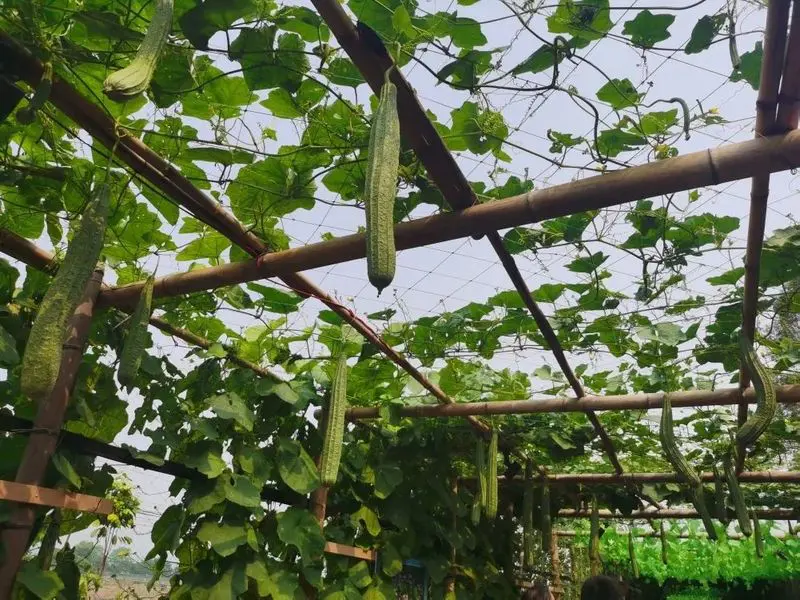
The total output is much higher than the number of spring plantings。
The low spring temperatures are prone to slow growth of seedlings and infestation of various pests. The soil is temperature-appropriate after a small puddle, the silk melon is strong, the scale of the herb climbing is accelerated and the number of adjoining fruit increases significantly。
Crop growth characteristics
The heat-resilient and disease-resisting capacity and the ease of routine management will allow normal plant maintenance to grow successfully。
Operational points for field planting
1. Direct seed planting at the end of the saturation period, with no seeding steps, and with a well-established soil。
2. A simple support frame shall be built for the climbing of vines to avoid their being attached directly to the ground. The silkmelons planted on the ground are vulnerable to insects and deformity。
3. During the stage of styroiding, the soil surface is kept moderately humid, and chronic water shortages will fibrosis the guacamole and reduce the food value of an aging taste。
4. The timely harvesting of fresh guacamole, with a reasonable extraction that stimulates growing plants and breeds new guacamole, will inhibit the growth of new guacamole by allowing the old guacamole to remain。
Value of collection and sale
The interval between seeding and the first harvest ranged from 55 to 60 days, and the listing coincided with the high price of the guacamole in july and august。
In the summer, daily cooking, silkmelon is a highly used food, market consumption demand is stable and there is little demurrage. Moreover, the guacamole picks over a long period of time, from lasting results in july to frostfalls, and plantings allow long-term extraction and sales of additional revenues。
Number four: hot cucumber for summer
The normal spring-planted cucumbers are afraid of hot weather and will cease to grow as soon as they enter the three-volts sky, with leaves with yellowing and no more melons, and soon end their growth cycle。
Hot cucumber-resistant varieties, which are suitable for summer planting, are suitable for planting in small periods of time, and even in the event of high summer temperatures, they can grow and do not easily stagnate。
Core strengths of varieties
High-temperature and strong light and resistance to common ills such as frosts are not easy to grow and the melons on the vines are tightly distributed。
Field tube detail
1. The most suitable and fast-growing seedlings of the warm environment are the seedlings of small, direct fields。
2. The wide distribution of plants by space between controlled and rational planting can effectively reduce the probability of disease breeding。
3. The scrawling of vines is carried out in a timely manner by binding them in order to trim the extra sprouts on the base of the main stem and by concentrating on the provision of the main cranium。
4. The high rate of water evaporation during the summer period has helped to stabilize the moist state of the soil and to avoid excessive damp gaps and reduce the occurrence of malformations。
Show off the proceeds of planting
It is available in bulk for about 60 days, and the month of august coincides with an undersupply of spring cucumber。
The market for fresh cucumbers in the summer was small, prices were more stable than in the spring, and sales were high. Households grow harvests of guacamole, which are readily available for sale and sale, and easily earn additional income。
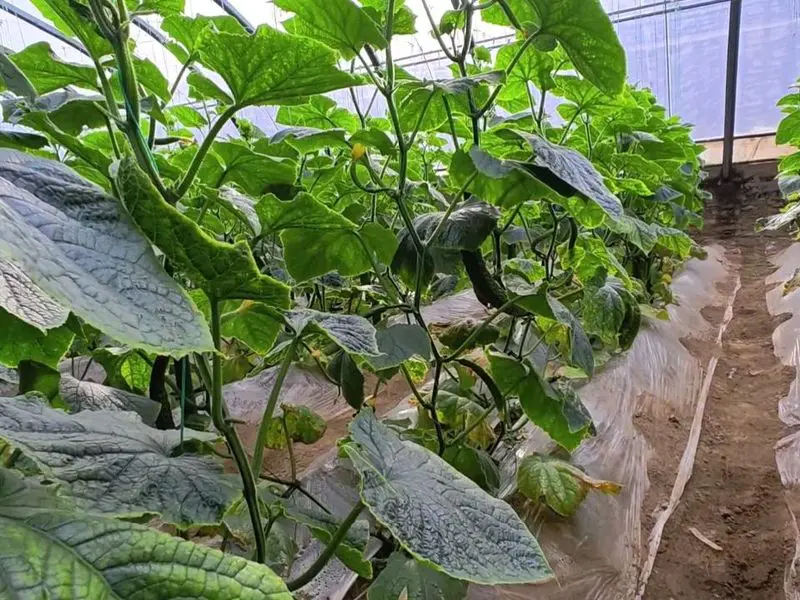
Iii. General planting techniques for the four melons and management of improved harvests
The experience of day-to-day cultivation, irrespective of which species are selected for planting, can be effective in improving the strength of the plant and boosting the overall production of the adjoining fruit。
1. Reasonable management of plant density
All types of melon crops that grow in the summer are taboo for over-density. Overcrowding of plants leads to poor ventilation in the fields and the accumulation of humid gas in the fields, which not only tends to cause the long leaves and melons to grow, but also accelerates the spread of bacterial pests。
Cultivation is based on the principle of non-precipitation, which guarantees sufficient growth space for single plants in order to ensure the smooth formation of each seedling。
2. Phased regulation of water supply
The proper reduction of water irrigation during the pre-growth period of the seedlings has encouraged deep-seated soils to grow strong seedlings with light drought. The soil is kept moist until the fruit is planted, the lack of water is avoided and the drought affects the growth of the guacamole and guarantees its outer form and full head。
3. Equalizing fertilizer nutrients
A single large-scale application of nitrogen fertilizer during the summer season is taboo, and excessive nitrogen fattening is highly likely to lead to the growth of vines and vines, while nutrient consumption is difficult to produce. Day-to-day maintenance can be used in combination with the fertilizer of grown farmers, with regular application of grass-wood ash to supplement potassium fattening, and with the drying of vines and vines, increasing the resilience of crops to the sun and contributing to the steady growth of the maggot。
4. Timely harvesting to avoid the retention of old melons
The summer melon crops are clearly growing, fresh melons are harvested in a timely manner, and plants continue to divide and grow new melons. If mature old men are allowed to keep their vines for long periods of time, they will lock down the transmission of plant nutrients, and it will be difficult to produce new fruit。
Iv. A common area of misplanting of small and full-species, where new-hand planting avoids wear and tear
1. One-off heavy water irrigation and the timely release of water from ditches following rainfall, which can easily cause root decay, atrophy of vines and guacamole。
2. Fertilizer application is gradual and does not involve the use of unfertilized farm fats, or the application of heavy fertilizer at once, which can lead to a reduction in the production of vines and vines。
3. Make every effort to climb and grow with a construction support, so that the vines do not grow on the ground, the summer surface is high, the ground is wet and hot, and the guacamole close to the ground is highly perishable。
4. The timely cleaning of old yellow leaves at the bottom, too many shades of leaves, which can obscure the wind and light, tend to induce disease and divert the plant from its nutrients。
In order to avoid these four common types of planting, the melons are better produced and the number of adjoining fruit is significantly higher。
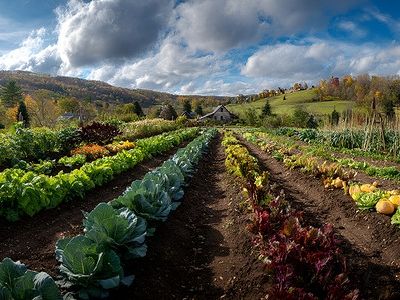
V. Summary of the value of cultivation: accelerator planting, summer and autumn fields
Farmers who know how to raise their revenues through gas conservation do not waste proper planting time or leave their fields idle for long periods。
In the spring, the guacamole returns to the market, and in june/july, when the fall guacamole is not ready, it is the golden phase of the year that offers the best price and smooths the way。
The four types of fast-growing melons, i. E., melons, melons and cucumbers, are grown in time, with a short and easy cycle of harvest, and have a steady and reliable yield, bearing in mind the variability of the summer。
The day-to-day consumption of home food allows for the ready harvesting of fresh and harmless vegetable guacamole, and the delivery of extra guacamole to the market coincides with a favourable stage in the development of household income。
It is true that in the autumn, the harvest of food and vegetables can be increased by one day, when the land is grown. The timing of small-scale planting is firmly secured, the fields are not left empty and families are able to reap good harvests in the summer and autumn。
Interactive topics
What kind of guacamole do you give priority to growing after the arrival of a small man who has grown food at home? In your opinion, what kind of guacamole in the summer is more productive and marketable? The sharing of ideas on planting and sharing experiences on planting and selling in the comment area is welcome。
A sweet hint
The plant management methods shared in the text are drawn from a summary of the actual planting of open vegetable gardens and are suitable for use by ordinary squatters and family gardens. The differences in climatic temperatures and soil and soil quality across the country make it possible to adjust planting times and care patterns in the context of the actual local environment, making it easier to reap the desired strength of cropping as appropriate。
Disclaimer
This paper is intended to be an experience-sharing exercise for individual field farming and does not have the qualifications to guide professional scale farming and does not serve as a uniform standard for commercial farming. Different geographical climatic conditions, soil conditions, daily management patterns and differences in the variety of fruit-bearing species affect the growth of seedlings, the final yield and the proceeds of market sales. This paper does not guarantee fixed harvests and profitability, but only allows families to draw on the results of their daily gardening。









