


The tulips are lyric tulips of multi-year herbivorous plants, concentrated in march-may. There are more varieties in horticulture, which vary according to variety and type。
The tulips are colorful, with a dim fragrance, and pelvis farming can select short species that can be seen indoors, often on windows, desks, tables and teas, or cut down in bottles at flowering. What about the tulips? Let's introduce you to the tulip farming method and care

1. Soil
The fertile and deep soils are very good for tulips, with sandy soil being used in the soils where tulips are common and the soil is very acidic. The estranged soil allows for the rapid growth of tulip seedlings and facilitates the growth of their roots. Soils with severe or viscous binds inhibit their growth。
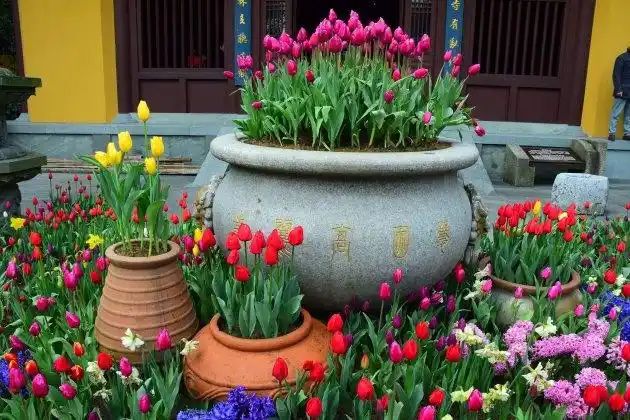
Nutrients
Sufficient nutrients are important for the growth of tulips, which require large amounts of nutrients during their growth, and we can use compost or a variety of corrosive water, bone powder, etc. To help it improve its nutrient supply. We need to fertilize it two or three times in the early spring season, and we need to apply base-based fertilizers when we grow in the upper basin。
Tulips require sufficient nitrogen fat to promote the growth of the balls, and tulips that lack nitrogen fat can produce small leaves, short hairs, small flowers and late flowering. Sufficient nitrogen fertilizer can facilitate its growth and reproduction, and phosphorus potassium fertilizer can be used in combination to help it promote the growth and flowering of flowers。
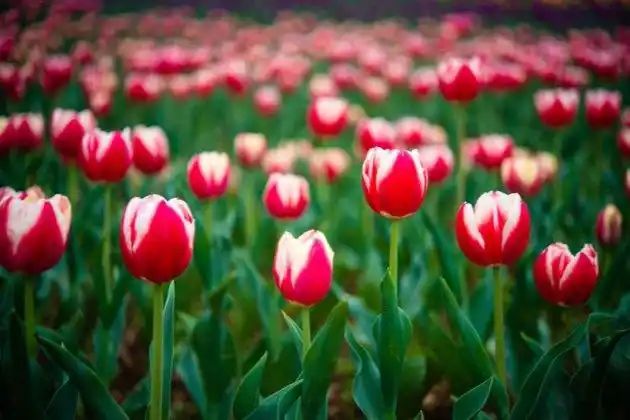
Watering
The tulips grow in an environment that is first well drained and, secondly, watered to prevent flooding or otherwise cause the root of the ball to rot. Normal watering is best done in the presence of dry wetness or in a state of micro-humid soil。

Temperature
The tulips are a plant that likes to cool and fear high temperatures, with the best growth temperature at about 10-15°c. In autumn, the tulips began to germinate at about 15-25°c, and at that point we were careful to keep their temperature below 9°c, so that it could avoid continuing to take root under its plume plate and start planting around the end of october。

5. Light
The tulip is a plant that likes to have plenty of sunlight, which can help to bloom and grow when the light is enough, and should be more than eight hours per day. When the light is strong in the spring, we need proper shades to increase its flowering time, normal single flowers can last about a week, but in a low-temperature, darker, wetter environment, they can last up to two weeks。
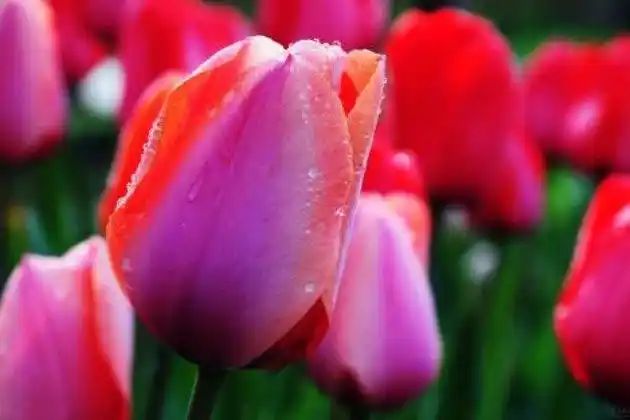
That's the way the tulips are raised in hanaya valley. The farming methods described above are relatively simple and do not provide a more in-depth description of the relevant farming techniques, and we hope that they will be of some help to you in raising tulips, and we will continue to introduce tulips in detail
If you like to raise flowers, focus on hanaya









