


The excise tax on cosmetics is 30 per cent. The calculation is as follows: the sales amount is the full price and out-of-price charge to the purchaser for the sale of taxable consumer goods by the taxpayer, excluding the value-added tax charged to the purchaser. Iff refers to funds, pooled fees, refund of profits, subsidies, default fees, fees, packing fees, reserve fees, quality fees, transportation handling charges, surcharges and other out-of-price costs of a variety of nature。
The customs duties on cosmetic imports are as follows:
1. General tariffs on cosmetics for lip use are 150 per cent, mfn 10 per cent, vat 17 per cent and consumption 30 per cent
General tariffs on eye cosmetics are 150 per cent, mfn 10 per cent, vat 17 per cent and consumer tax 30 per cent
3. General tariffs on nailed cosmetics are 150 per cent, mfn 15 per cent, vat 17 per cent and consumption 30 per cent
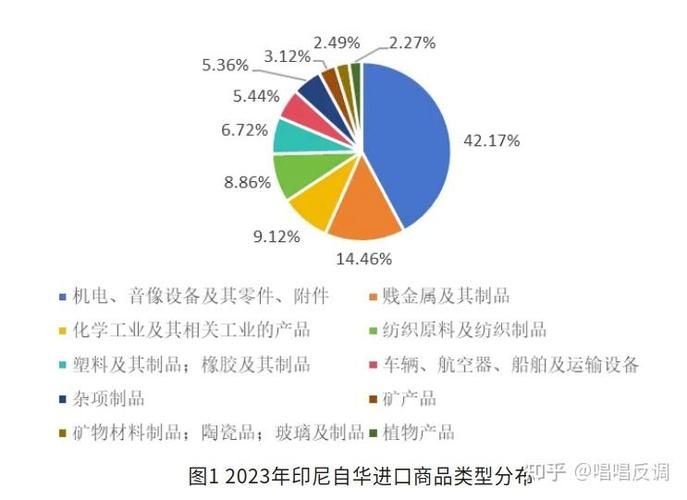
4 other cosmetics are subject to a 150 per cent general tariff rate according to specific categories, with mfn import tariff rates of 6. Between 5 and 15 per cent。
The types of customs duties in our country are as follows:
1. Taxes are divided into import duties, export duties and transit duties. Import duties are divided between positive and subsidiary duties. Additional duties are divided into anti-dumping duties, countervailing duties, retaliatory duties, emergency import duties, etc.
2. Distinction between direct and preferential duties and differential duties according to the nature of tariffs. Discrepancies in the general sense are mainly divided into tariff escalation, offsetting, retaliation and anti-dumping duties
3. Tariffs are classified by standard as volume and ad valorem duties
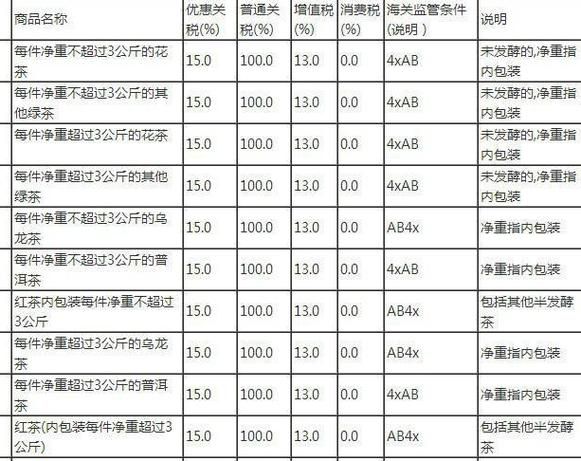
Tariffs are classified as tariff and non-tariff barriers by form and degree of protection。
If you have any other questions, consult a professional lawyer。
[legal basis]: article 9 of the customs law of the people's republic of china
Goods imported or exported may, unless otherwise specified, be taxed by the sender of the goods imported or exported, either on his own initiative, or by the exporter of the goods imported or exported, or by the reporting enterprise。
Any person who enters or leaves the country may do so on his or her own initiative。
Article 10
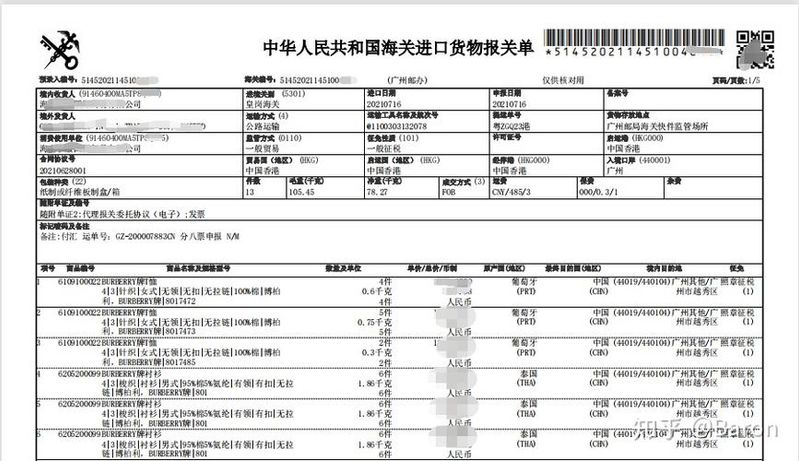
In cases where a declaration enterprise is entrusted by the person who receives the import or export of goods and carries out the declaration in the name of the client, a letter of authorization signed by the client shall be submitted to the customs office, in compliance with the provisions of this act for the client。
If a customs-receiving enterprise is entrusted by the recipient of imported or exported goods to perform customs-receiving procedures in its own name, it shall bear the same legal responsibility as the recipient。
If the client entrusts the customs office with the process of customs clearance, he/she shall provide the customs office with the true information on the matters entrusted to him/her; if the enterprise accepts the client's authorization for customs clearance, it shall conduct a reasonable review of the authenticity of the information provided by the client。









