


How much for a nucleic acid test, how much for a nucleotide test, how much for a fee, how much for a price factor, how much for an appointment, how much for a full analysis
I. Basic science for nucleic acid detection: what is nucleic acid testing
Nucleic acid detection pcr rationale map nucleic acid detection
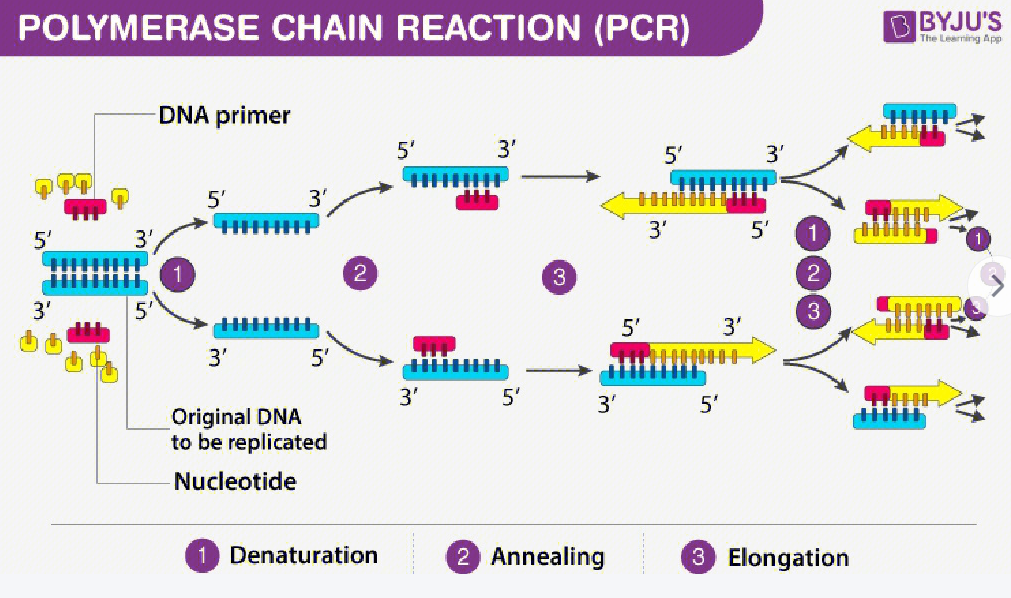
The pcr molecular test (pcr) is the central means of testing pathogen diagnosis by expanding the pathogen nucleic acid sequence to determine whether the samples contain genetic material corresponding to viruses and bacteria. Many users search for “how many times a nucleic acid test”, most of them thinking first of all of the new coronal acid, but the nucleic acid detection is a major type of test, with the exception of the new coronary, where hepatitis b, hpv, flu, dengue fever, tuberculosis, etc. Are covered by the nucleic acid test, and the prices vary considerably from project to project。
The pcr molecular test (pcr) is the central means of testing pathogen diagnosis by expanding the pathogen nucleic acid sequence to determine whether the samples contain genetic material corresponding to viruses and bacteria. Many users search for “how many times a nucleic acid test”, most of them thinking first of all of the new coronal acid, but the nucleic acid detection is a major type of test, with the exception of the new coronary, where hepatitis b, hpv, flu, dengue fever, tuberculosis, etc. Are covered by the nucleic acid test, and the prices vary considerably from project to project。
At this stage, the domestic policy is to make sure that no more permanent nucleic acids are organized, and that people in need of testing can make their own appointments to public hospitals, community health centres and third-party medical testing institutions. The nature of the different institutions, the sampling model, the testing of projects and the timeliness of reporting directly affect the final fee. Many users are prone to confusion between new coronary and other pathogens, leading to misinterpretation of the quotation, and this paper will distinguish items with clear price tables and clear pricing logic。
Ii. Updated market price breakdown for nucleic acid testing
High resolution of the price table for nucleic acid testing
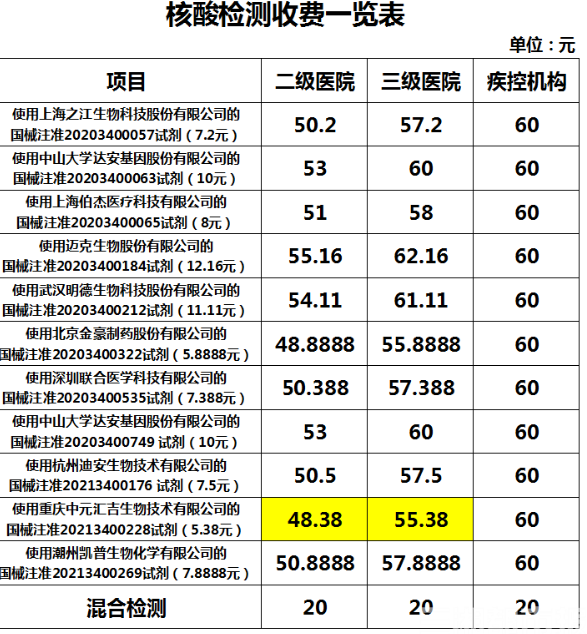
Note: the table below shows the country's main public health-care institutions, with no emergency charges or fees for door-to-door sampling services; the prices of third-party testing institutions will fluctuate slightly, with regional variations in the prices of health-care coverage。
Table
| Testing items | Sample mode | Public reference unit price ($/ n) | Description of application |
|---|---|---|---|
| New crown virus nucleic acid | Single tube | 13-16 | Individually sampled, with accurate results, suitable for those who need paper reports and travel to medical care |
| New crown virus nucleic acid | Multiplayers (10 mixed 1) | 3-5 | Multiplier sample combined, suitable for general screening, positive and re-examining nuclear |
| A / b influenza nucleic acid | Single-person inspection | 80-120 | Thermal respiratory symptoms, distinguishing influenza from common influenza |
| Hpv human papillomavirus nucleic acid fraction | Single-person inspection | 260-320 | Cervical screening, multi-specification |
| Hepatitis b hbv-dna nucleic acid quantification | Single-person inspection | 70-110 | Review of viral loads of hepatitis b patients |
| Hcv-rna nucleic acid | Single-person inspection | 100 to 180 | Hepatitis c infection diagnosis and review |
| Dengue virus nucleic acid | Single-person inspection | 20-30 | Heat screening in high-prevalence mosquitoes |
| Nucleic acid in the nodule branch | Single-person inspection | 150–260 | Auxiliary diagnosis of suspected tuberculosis |
| New coronal nucleic acid (2-4 hour report) | Single tube | 30-60 | General emergency services, fewer public hospitals, mostly for third-party laboratories |
| Sampling nucleic acid (new crown) | Single tube | 50-100 | Home-based old people, people with mobility difficulties, extra home service charges |
Price note 1: health insurance limits are implemented in public health institutions at lower prices; commercial third-party laboratories are independently priced with a sharper rate of up-to-door premium; 2 and some projects can be paid using health insurance personal accounts, with most areas of the new coronary acid being self-financed; 3 and child and adult sampling prices are uniform and do not add additional price。
Iii. Components of the price of nucleic acid detection
The nucleic acid detection laboratory process decomposition map a fee for nucleic acid testing
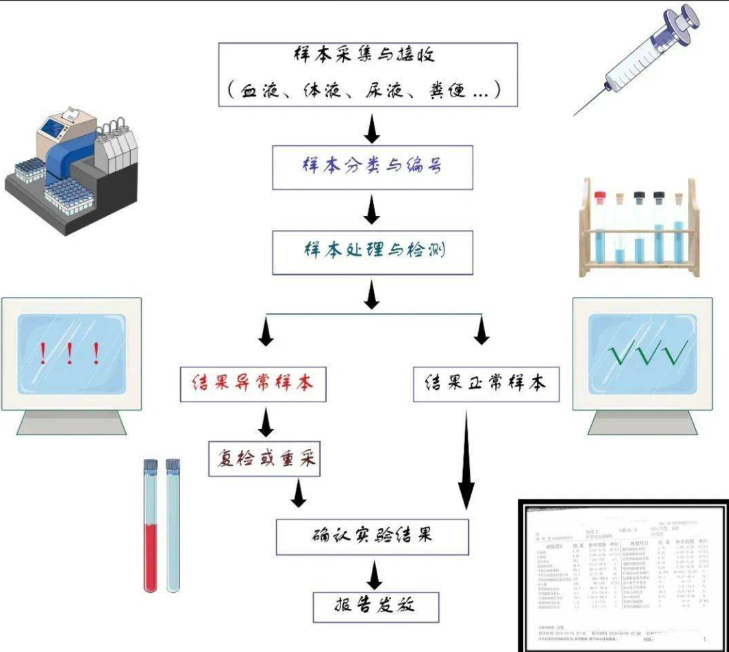
It is not simply a reagent box cost, which consists of four modules as a whole, but is also the root cause of the gap between offers from different agencies. First, sampling service fees: these include the collection of swabs, swabs, registration of sample information, bar code entry, sample sealing. The labour costs of door-to-door testing and night sampling are higher, so service fees are charged. Second, detection of reagents: extraction of reagents, expansion of pcr tubes, quality controls, preservation fluids. The significant decrease in reagent costs following large-scale collections is also a central reason for the drop in the price of new coronal nucleic acids from hundreds to tens of dollars in the early years. Third, laboratory testing costs: pcr amplifier instrument depletion, laboratory environmental extinction, testing technicians manual, laboratory quality control, sound handling of biological waste. Pcr laboratories have strict zoning requirements and high transport costs. Fourth, report clearance and system costs: tester interpretation of results, audit report, upload to health platform, electronic report delivery. Urgent testing requires a priority team to be on board, crowding out the normal laboratory schedule and therefore charging an exigency fee。
It is not simply a reagent box cost, which consists of four modules as a whole, but is also the root cause of the gap between offers from different agencies. First, sampling service fees: these include the collection of swabs, swabs, registration of sample information, bar code entry, sample sealing. The labour costs of door-to-door testing and night sampling are higher, so service fees are charged. Second, detection of reagents: extraction of reagents, expansion of pcr tubes, quality controls, preservation fluids. The significant decrease in reagent costs following large-scale collections is also a central reason for the drop in the price of new coronal nucleic acids from hundreds to tens of dollars in the early years. Third, laboratory testing costs: pcr amplifier instrument depletion, laboratory environmental extinction, testing technicians manual, laboratory quality control, sound handling of biological waste. Pcr laboratories have strict zoning requirements and high transport costs. Fourth, report clearance and system costs: tester interpretation of results, audit report, upload to health platform, electronic report delivery. Urgent testing requires a priority team to be on board, crowding out the normal laboratory schedule and therefore charging an exigency fee。
Many low-cost packages include only testing fees and do not include door-to-door, rush, paper-based report printing fees, and it must be clear that the packages contain items before the next list, avoiding later additions。
Iv. Prices of public hospitals and third-party testing institutions, comparison of services
Comparison of public hospital inspection sections with third-party testing laboratories
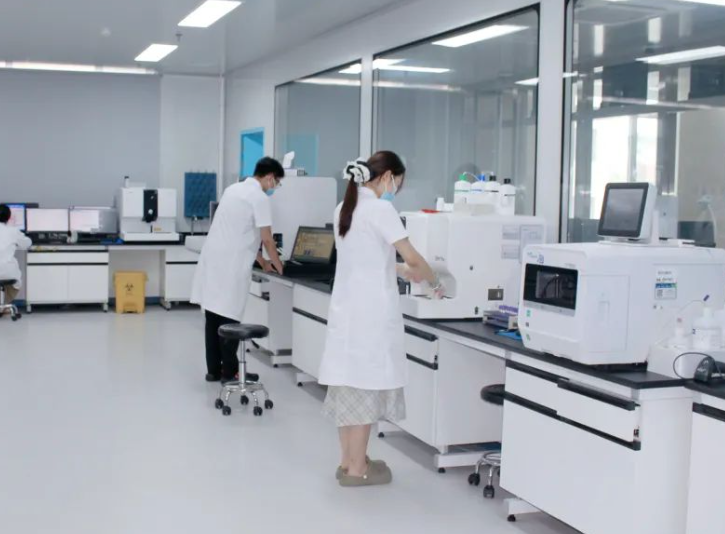
Many users struggle with where to make nucleic acids, which are characterized by price, timeliness and qualifications. Public hospitals: prices are strictly applied to local health insurance limits, prices are transparent, prices are not easily increased, the results of tests are highest, hospitals, disease control, and full mutual recognition of entry and exit. The disadvantage is long queues during peak periods, with the general conventional nucleic acid 6-12 hours of output and minimal emergency services. Suitable for medical treatment, hospital assistance, official documentation. Third-party medical testing laboratories: the price is higher, and the standard single examination is likely to be the same as the hospital, but the rush, the choice of door-to-door services is abundant, the speed of reporting is high, and some institutions are expected to produce results in 2-4 hours. The disadvantage is that a small number of small institutions have varying qualifications and that part of the scene (hospitalization, specific government certification) only accepts reports from public hospitals. It is suitable for people who are in a hurry and who cannot afford to leave their homes。
Many users struggle with where to make nucleic acids, which are characterized by price, timeliness and qualifications. Public hospitals: prices are strictly applied to local health insurance limits, prices are transparent, prices are not easily increased, the results of tests are highest, hospitals, disease control, and full mutual recognition of entry and exit. The disadvantage is long queues during peak periods, with the general conventional nucleic acid 6-12 hours of output and minimal emergency services. Suitable for medical treatment, hospital assistance, official documentation. Third-party medical testing laboratories: the price is higher, and the standard single examination is likely to be the same as the hospital, but the rush, the choice of door-to-door services is abundant, the speed of reporting is high, and some institutions are expected to produce results in 2-4 hours. The disadvantage is that a small number of small institutions have varying qualifications and that part of the scene (hospitalization, specific government certification) only accepts reports from public hospitals. It is suitable for people who are in a hurry and who cannot afford to leave their homes。
A simple summary: public hospitals are given priority in order to be conservative, to have limited health insurance prices, to be used for formal testing; formal third-party testing facilities can be selected in the pursuit of rapid reporting and inconvenient home action。
Additional pricing factors affecting nucleic acid test offers
In addition to the cost of the basic tests, it is possible to find a map of the scene at night
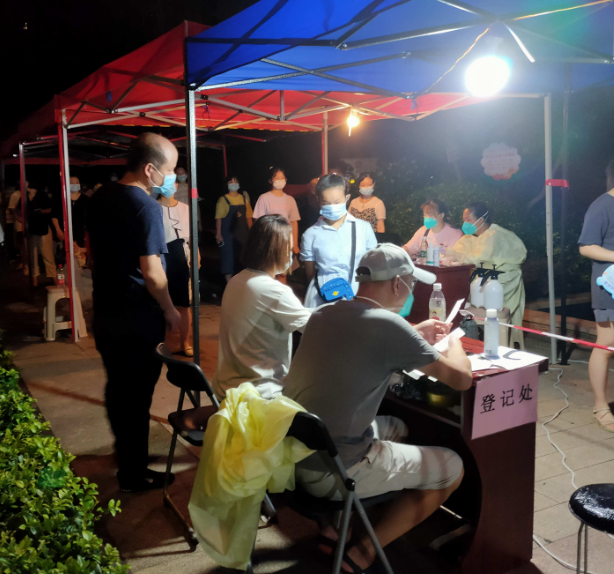
The following are very common price increases, which are confirmed in advance of the appointment in order to avoid disputes. One is to rush the report. Regular tests line up according to laboratory batches, and emergency samples require a single batch priority increase, with an additional emergency charge ranging from $15 to $40. The second is the cost of home-based sampling services. Medical care goes to the door, collects transport and labour costs separately and the costs of testing separately, suitable for bed patients, the elderly and isolated persons. Third is the difference in sampling type. The prices of swabs, swabs are the same and there is no difference; however, special samples such as sapling, blood, pneumatic evaporation, etc., are complex before the samples are processed and the fees are higher than normal swabs. Four are holiday and night sampling. Some of the institutions take samples on night and weekend duty and charge night duty, and public hospitals generally charge no extra fees and private third parties generally charge. Five is a paper report mail. For the most part, electronic reports are free of charge, and printing and courier fees are charged for stamped paper reports and couriers。
The following are very common price increases, which are confirmed in advance of the appointment in order to avoid disputes. One is to rush the report. Regular tests line up according to laboratory batches, and emergency samples require a single batch priority increase, with an additional emergency charge ranging from $15 to $40. The second is the cost of home-based sampling services. Medical care goes to the door, collects transport and labour costs separately and the costs of testing separately, suitable for bed patients, the elderly and isolated persons. Third is the difference in sampling type. The prices of swabs, swabs are the same and there is no difference; however, special samples such as sapling, blood, pneumatic evaporation, etc., are complex before the samples are processed and the fees are higher than normal swabs. Four are holiday and night sampling. Some of the institutions take samples on night and weekend duty and charge night duty, and public hospitals generally charge no extra fees and private third parties generally charge. Five is a paper report mail. For the most part, electronic reports are free of charge, and printing and courier fees are charged for stamped paper reports and couriers。
Vi. Complete process for nucleic acid detection appointments, sampling and reporting
Online, make an appointment for nucleic acid detection
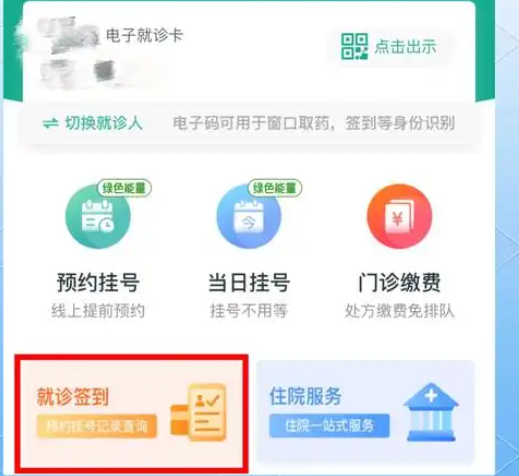
Decisions on the accuracy of results can also help to rationalize time and reduce unnecessary additional costs. First, an online or on-site appointment, selection of a test item, sampling time, confirmation of clear support for health insurance, length of reporting period and availability of stamped reports; second, registration of information at the sample point, presentation of identification cards, collection of samples by medical care; third, uniform transfer of samples to pcr laboratories, extinction, nucleic acid extraction, augmentation, interpretation; fourth, double review of the results by the inspection technician, uploading of electronic reports; fifth, user searching and downloading reports at a small program, public sign or hospital public number。
Decisions on the accuracy of results can also help to rationalize time and reduce unnecessary additional costs. First, an online or on-site appointment, selection of a test item, sampling time, confirmation of clear support for health insurance, length of reporting period and availability of stamped reports; second, registration of information at the sample point, presentation of identification cards, collection of samples by medical care; third, uniform transfer of samples to pcr laboratories, extinction, nucleic acid extraction, augmentation, interpretation; fourth, double review of the results by the inspection technician, uploading of electronic reports; fifth, user searching and downloading reports at a small program, public sign or hospital public number。
Note: do not drink water, smoke, chew gum in the first half hour, avoid diluting the samples, affect detection sensitivity, create false negatives, and repeat testing is expensive。
Vii. Common areas of error in nucleic acid detection, avoiding consumption traps
The low-cost nucleic acid package alerts a variety of nucleic acid detection services available on the market

Here's the high frequency error zone. Mistake i: the results of the mixed inspection are not valid. Mixers are suitable for large-scale initial screening and the negative results are reliable; once the test is positive, all persons need to be re-examined individually, not for error, but for different screening logic. The more expensive the price, the more accurate the test. As long as a formal laboratory with pcr qualifications uses the same testing method and the standards of accuracy are consistent, it is often more expensive to be rushed, to pay for door-to-door services than to be tested more accurately. Error three: all nucleic acids are covered. Most of the new coronal acids are self-funded; clinical nucleic acid projects such as hepatitis b, hpv, tuberculosis and so forth are eligible for personal accounts under health insurance if they are compatible with the ailments, and hospital compliance with instructions can be included in the consolidated reimbursement, with different local policies. Zone four: the rush must be faster. Some of the merchants are charging for them in the name of an emergency, and the samples are still on board with the regular batch, which is a false expediency, and the laboratory batches are scheduled for appointment。
Here's the high frequency error zone. Mistake i: the results of the mixed inspection are not valid. Mixers are suitable for large-scale initial screening and the negative results are reliable; once the test is positive, all persons need to be re-examined individually, not for error, but for different screening logic. The more expensive the price, the more accurate the test. As long as a formal laboratory with pcr qualifications uses the same testing method and the standards of accuracy are consistent, it is often more expensive to be rushed, to pay for door-to-door services than to be tested more accurately. Error three: all nucleic acids are covered. Most of the new coronal acids are self-funded; clinical nucleic acid projects such as hepatitis b, hpv, tuberculosis and so forth are eligible for personal accounts under health insurance if they are compatible with the ailments, and hospital compliance with instructions can be included in the consolidated reimbursement, with different local policies. Zone four: the rush must be faster. Some of the merchants are charging for them in the name of an emergency, and the samples are still on board with the regular batch, which is a false expediency, and the laboratory batches are scheduled for appointment。
Viii. How to select nucleic acid tests for different population groups, cost-saving proposals
Reference to screening options for different population groups in households

The simple desire to screen for new crowns without urgent use needs: priority is given to mixed examinations in public hospitals, with the lowest price and the highest value for money. There is a need for escorts, hospital admissions and official verifications: single-person examinations of direct public hospitals, with the highest level of accreditation, avoiding non-admission of third-party reports and double-testing. Heat, cough, suspected flu, respiratory infections: not just new coronal nucleic acid, recommended joint nucleic acid testing of influenza under medical guidance, one-time identification of the cause of the disease and avoidance of multiple separate tests. Cervical screening of women: regular hpv nucleic acid spectrometry is a special medical examination, at fixed prices, and purchases in the medical examination package are usually more costed than individual bills. Older people with reduced mobility, patients: priority is given to regular institutions for sampling, although there is a service fee to avoid the risk of going to and from hospitals。
The simple desire to screen for new crowns without urgent use needs: priority is given to mixed examinations in public hospitals, with the lowest price and the highest value for money. There is a need for escorts, hospital admissions and official verifications: single-person examinations of direct public hospitals, with the highest level of accreditation, avoiding non-admission of third-party reports and double-testing. Heat, cough, suspected flu, respiratory infections: not just new coronal nucleic acid, recommended joint nucleic acid testing of influenza under medical guidance, one-time identification of the cause of the disease and avoidance of multiple separate tests. Cervical screening of women: regular hpv nucleic acid spectrometry is a special medical examination, at fixed prices, and purchases in the medical examination package are usually more costed than individual bills. Older people with reduced mobility, patients: priority is given to regular institutions for sampling, although there is a service fee to avoid the risk of going to and from hospitals。
Ix. Duration of nucleic acid test results, description of reported use
The electronic nucleic acid report sample map shows the state of infection at the moment of sampling

There is no permanent validity. Many sites require proof of the negative nature of nucleic acid for 48 hours or 72 hours, which begins with the sampling time, not the reporting time, and must be reserved for sufficient time limits. In addition, the negative nature of nucleic acid does not amount to absolute non-infection, and the existence of window periods and unsatisfactory sample collection may lead to false negativeness. If there are obvious symptoms, but the negative nucleic acid is subject to review, if necessary, in conjunction with antigens, medical clinical judgement。
There is no permanent validity. Many sites require proof of the negative nature of nucleic acid for 48 hours or 72 hours, which begins with the sampling time, not the reporting time, and must be reserved for sufficient time limits. In addition, the negative nature of nucleic acid does not amount to absolute non-infection, and the existence of window periods and unsatisfactory sample collection may lead to false negativeness. If there are obvious symptoms, but the negative nucleic acid is subject to review, if necessary, in conjunction with antigens, medical clinical judgement。
X. Comprehensive summary
The official nucleic acid sample map combines the current domestic fee lines, and it's not the same as the current one
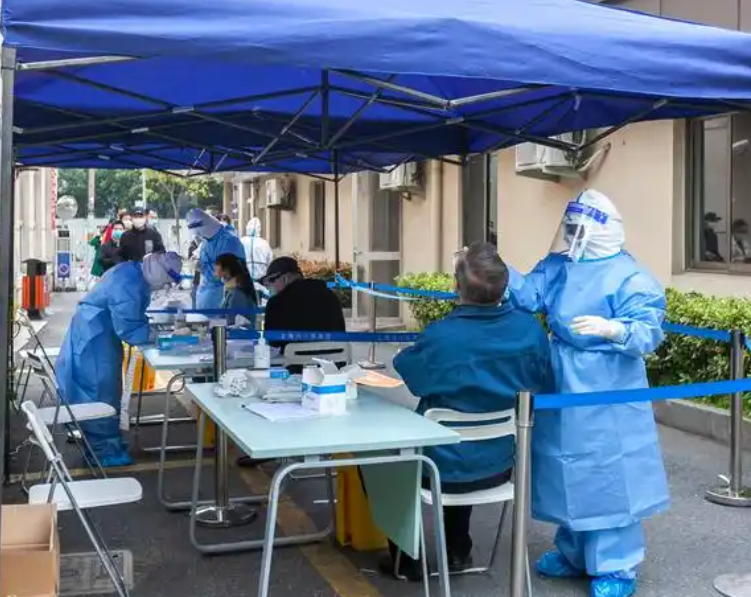
When you search for "how much nucleic acid is tested once", you start with the item. New coronal nucleic acid single-person screening mainstreams $13-16 and a mix-up of $3-5; special pathogens such as influenza, hpv, hepatitis b, nodules are more expensive, ranging from tens to 300. Price differences arise mainly from detection items, individual/mixer checks, exigency, door-to-door sampling and type of institution. Public health institutions are transparent and reportable; third-party institutions are flexible and value-added services are numerous. Prior to making an appointment, you must ascertain whether the project, the package contains content, the timing of the report, whether it supports health insurance, rational choice, not blindly pursuing lower prices and higher costs, and give priority to formal medical institutions and laboratories with pcr qualifications to ensure that the results are reliable。
When you search for "how much nucleic acid is tested once", you start with the item. New coronal nucleic acid single-person screening mainstreams $13-16 and a mix-up of $3-5; special pathogens such as influenza, hpv, hepatitis b, nodules are more expensive, ranging from tens to 300. Price differences arise mainly from detection items, individual/mixer checks, exigency, door-to-door sampling and type of institution. Public health institutions are transparent and reportable; third-party institutions are flexible and value-added services are numerous. Prior to making an appointment, you must ascertain whether the project, the package contains content, the timing of the report, whether it supports health insurance, rational choice, not blindly pursuing lower prices and higher costs, and give priority to formal medical institutions and laboratories with pcr qualifications to ensure that the results are reliable。










