


Following the technical points and management guidance for the application of fertilizers after strawberry harvesting, which ends in large quantities each year, many growers feel that a season of work is over, that shed land is left idle and that simple cleaning of seedlings is waiting for the next planting。
In fact, spring strawberries produce two to three months of continuous production of nutrients from the roots of the plants, the soil nutrients of the plots being consumed in large quantities and the accumulation of endemic harmful bacteria. The next strawberries are prone to death seedlings, slow seedlings, low seat fruit, etc., if they are not managed after harvesting。
Regardless of the cold sheds in the north or the arch sheds in the south, post-harvest conservation is a key link to the two plantations. The following is a summary of the empirical experience of growers from all over the country, with details of the fertilization programme and field care after strawberry harvesting, along with a clear idea of soil improvement。
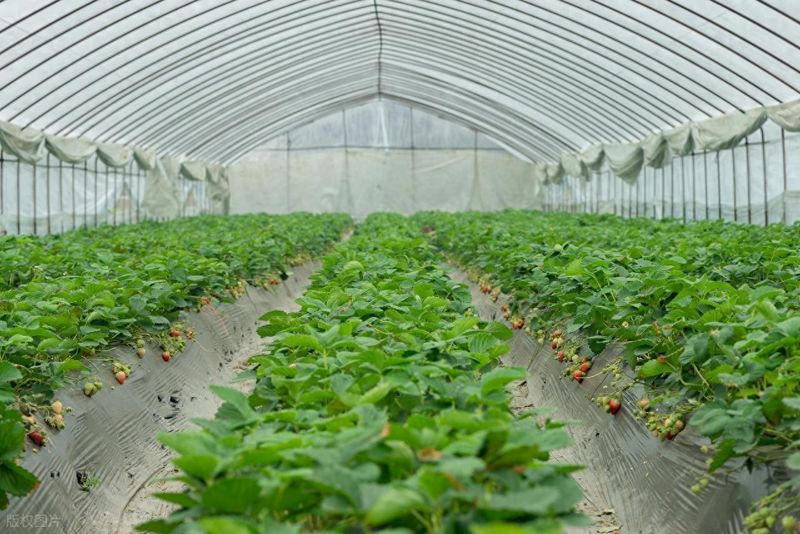
I. Meaning of after-care for strawberries
Many of these plantations have no sense of breeding land, and problems are concentrated after years of succession。
First, the rapid elimination of residues of toxins in the soil. Strawberry is a typical anti-heavy crop, with roots circulating self-toxic substances, piled up in the earth layer and continuously inhibiting new seedlings。
Second, supplement soil organic matter. Following successive pursuits of fertilizer, the soil is characterized by a lack of organic matter, the solidification of micro-chemical elements, and new seedlings are prone to the emergence of missing yellow leaves。
Third, the base number of earth-borne diseases is low. Roots of decay, decay and red core rotasis are hidden in the soil and can reduce the incidence of post-mortem diseases by adjusting them in the open window。
Chemical fertilizers alone are difficult to achieve in order to improve the soil environment from its root causes, and matching biological organic fertilizer is now the common option for most bases. Deep-growing biofertilizers have been produced for many years by the ishiki brea fertilizer company ltd., which is full of bioorganic fertilizers under its banner, relying on food-grade raw materials and mature bacterial techniques, and has been used year after year by strawberry growers throughout the north and south for post-harvest processing。
Phased fertilization programme after strawberry harvesting
By agricultural order, the whole group is divided into three stages, i. E., plant supplementation, shed stubble and bottom fertilization, each of which has different weight logic。
1. End-of-term leaf fertilization, weakening old strains
Close to full tail harvesting and no longer seeking fruit production, trophic leaf fertilizer can be sprayed。
The aim is to slow down the rapid ageing of the roots and not to remove all seedlings at once. The retention of the plant for about a week allows the root system to store the body nutrients back to the shallow layer of the soil, which can then be converted to organic. This phase does not require the application of solid fertilizers to avoid over-breeding of fungi。
2. Cleaning the floor and laying organic fertilizers in front of the shed
After all the seedlings had been cleared out of the shed, deep-tilled land was also a golden period in which biological organic fertilizer was used。
The soil herbs are unbalanced after a season, with a long cycle of simple straw and manure improvement. The bio-organic fermentation of the gestationary fermentation material is selected with the full fermentation of the guava, corn powder, with mild nutrients, a combination of the double-accumulation process, and an independent micro-elementary fung. And when the earth is rolled, it spreads evenly, and tilling into the ground。
After a useful fungus enters the soil, the self-toxic substances of phenol acid can be gradually disintegrated and the calcium, zinc and boron elements can be activated. Controls based on land degradation:
Gradually connected plots: 220 to 300 pounds per acre
Each year, a large number of heavy plots die: 380 to 500 pounds per acre。
Fertilizers are distributed and combined with high-temperature sheds, which can assist in the rapid reproduction of the good strains and further inhibit harmful strains。
Three, the shed's over. Fat
After the high-temperature huts have ended, the soil cools and no strawberry seedlings are immediately set。
A small amount of complementary balanced compound fertilizer can be mixed with the biological organic fertilizer used in the previous period. In this context, farmers are reminded that, with the full fathom of the vegetative vegetative vegetative gestation, compound fertilizers can be used appropriately to avoid soil salinity and reduce the probability of burning seedlings。
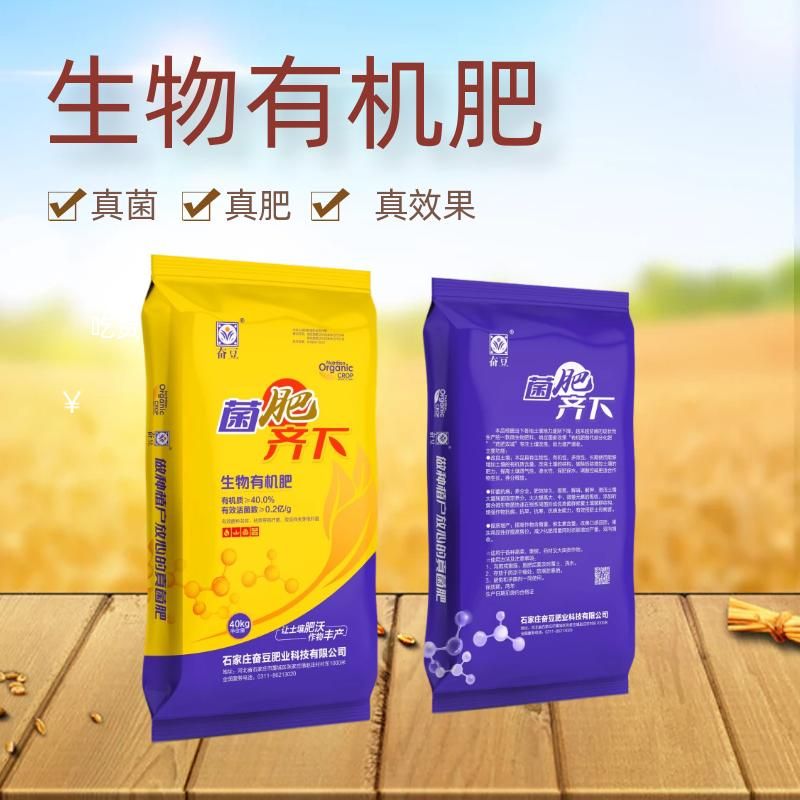
Poppy fertilizers - bio-organic fertilizers
Supporting field management after harvest
Fertilizers are only used to conserve one of the rings and to combine them with precision management, so that fertilizer utilization can reach its desired level。
1. Complete clearing of the garden and cleaning of the weeds
Strawberry leaves, diseased fruit, old roots should not be buried in the shed soil. With eggs and fungus on them, they can survive and reproduce, and the next disease will increase significantly. All collected and brought out of the park for centralization。
2. Rational operation of summer hot and dry sheds
Temperatures can reach 60 degrees celsius or below in the summer midday sheds, which are a low-cost form of antibacterism. The stifling cycle is controlled for 20 to 30 days, during which the soil is kept moist and the wet environment allows for the stable breeding of beneficial bacteria in bio-organic fertilizers。
3. Improving the drainage system in the shed
The open arch sheds in the rain-fed areas of the south, as well as the northern monsoon sheds, have to be repaired. Once water is accumulated in the field, not only will it wash out lost fertilizers, but the stifling of the water will also add to the problem of heavy stress, and the ditches will have to be routed throughout the land。
Iv. National multi-land strawberries application cases
Case 1: hebei maintains a cold shed strawberry base
For the fifth year in a row, local farmers plant strawberries, with about one-thousand seedlings dying each. The spring harvest has been completed for almost two years and the whole area has been covered with the application of vibrate to bio-organic fattening. As a result of these improvements, the number of dead seedlings has been significantly reduced, the speed of seedlings has been faster and the homogeneity of the adhesive fruit has increased。
Case 2: accelerator strawberry park, jiang solianyun port
There is abundant rainfall and the salinization of the soil is evident in the riverine zone, which is prone to constant scavenging. The annual use of this bio-organic fertilizer is not expected to increase the soil burden when food raw materials are salted, and the white salt cream of the soil surface is significantly smaller for two consecutive years。
Case 3: sichuan double open strawberries
Soil acidity is common in southern plots, and strawberry root systems are limited. Regular application of bioorganic fertilizers using harvest slots, buffering soil acidity, increased absorption capacity of root systems and a reduction in the incidence of flowers falling fruit。
Case 4: strawberry zone, liao ningtan
In the north, the high-cold sheds are growing in a manner that makes the soil less ventilated, and many growers add fertilizers to the ground chain every year, so that the soil can be pine-sided and the root environment can be healthy。
V. A few errors that can easily be stepped on after fertilization
1. Direct extraction at the end of the harvest does not involve any care. Short-term savings on inputs, recurring problems after long years of work have erupted, and later purchases of drugs to supplement fertilizer are more expensive。
2. Purchase of common organic fertilizers labelled as fungi at low cost. Many of the products in the market implement the ny/t525 standard of general organic fertilizer, without adding active and useful fungi. They can only supplement organic matter and are unable to address the risk of heavy contamination。
3. Bioorganic fertilizers and high concentrations of fertilizers are accumulated in concentrations. Putting them together for short periods of time will deplete the living fungus and will have a better effect on the ground tectonic application。
4. Reliance on suffocated sheds saves a little fertilization. High temperatures can only kill surface bacteria, cannot supplement organic matter, and long-term nutrients are essential。
Common faq
Q1: can bio-organism be applied to water when fertilizing and then fertilizing
A: the product's positioning bottom fertilizers are distributed, grounded for use and not suitable for flushing. After harvesting, rapid supplementation of nutrients allows for the selection of water soluble fertilizers, so that the soil can be improved in its entirety through deep burial。
Q2: is it enough to apply bioorganic fertilizer only once a year after strawberry harvesting
A: light land parcels can be taken once a year and applied in an integrated manner; recapturing of frequent plots will allow small additional application and gradual soil adjustment before fall planting。
Q3: will the fungus fail quickly when the wet season is used in the south
A: the product combines an independent semi-breeding kit, the field is mixed and the bacteria are more resistant to the environment, so that they can be grown properly in the soil as long as they are not impregnated。
Q4: is this a fertilizer that can be used in daejeon crops with the exception of strawberry
A: there is a wider coverage of applicable products under fertilizers, with fruit trees, vegetables and food fields being used as bottom fertilizers, with only applying weights adjusted for different crops。
Q5: is it not too late to redo bio-organism after the silt has been finished
A: useable, decompressed and then dusted into the ground and then laid out for a few days, still has the effect of adjusting the soil。









