


Pyezoelectrich, piezorestive and capacitive are currently common micromicrotechnologies. The voltage microphones use the charger to export current or voltage properties, convert sound signals into electrical signals and output after magnification, while the pressurer microphones use the charger to alter the resistance properties after the charger. Usually, the two microphones are less sensitive to sound pressure and have more system obscurity. Capable micromicrophones are currently the dominant market development because of their superior properties such as high sensitivity and low utility。
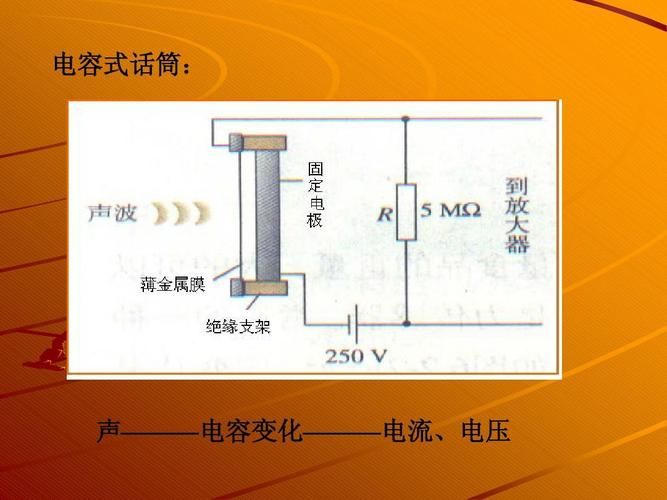
The structure of the electro-capable microphones consists mainly of the formation of a basic electromechanical structure using two steering panels and an insulation of the atmosphere between the two plates, which are commonly referred to as “memblane” and “backplate”. The ideal amplitude is a very soft, flexible thin film, which vibrates when under acoustic pressure, resulting in a slight change in distance, resulting in a dynamic microposition between the diaphragm and the back plate, thereby altering the electrical capacity of the structure。
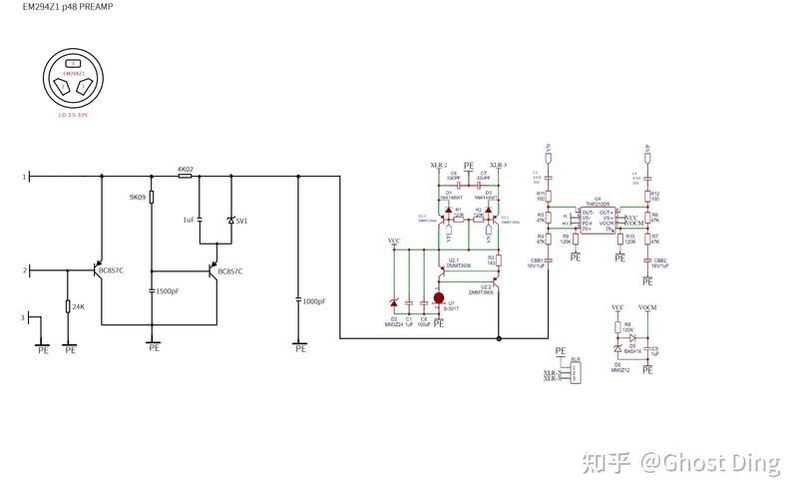
The structure of the electro-capable microphone: mems microphone sensor chip formations typically consist of a thinner, low-resilient layer of remembracing or nitrogenized cylindrium forming a diaphragm, together with a thicker remix or metallic layer forming a layer of microcapacitors that use air as an electrical layer. In addition to the necessary mems sensors, another circuit chip is usually required in the mems microphone's containment, which is provided to stabilize the pressure required for normal operation of the mems chip and to produce the signal after magnification, generally referred to as asic (application-specific ic)。
A tectonic map of the mems microphone-sensor chip: the asic used by mems microphones is distinguished into analogies and digits, depending on the type of product application. The analogue asi is composed mainly of circuits of three functional blocks: the "hold on" (charge pump), "voltage regulator" and "amplier"。
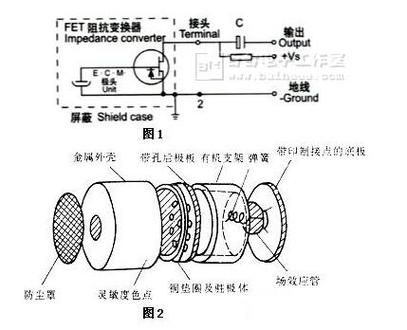
The multi-voltage circuit is designed to provide the higher operational voltage required for the mems chip by boosting the power input. The amplifier circuit function is to magnify and stabilize input signals. The function of the voltage stabilizer is to provide steady voltage processing at the asc power input end, so that all circuit blocks within the chip are functional. In addition to having the above three basic functional blocks at the same time, the digital asic has added the so-called "sigma delta modulator" circuit, which is responsible for the sampling of signals and the suppression of charades。









