


What kind of earthling? Indigenous participation techniques
Scientificname: panax notoginseng, also known as tan 7 and 37, is one of the most valuable chinese medicines. It is of high nutritional value and has a strong medicinal properties, and many people prefer to eat or use natives to regulate their bodies. As a result, growing indigenous participation is also a good option for investment and entrepreneurship. So, how do you plant the natives? Next, we'll introduce the indigenous farming techniques。
Determination of land and time
First of all, it is important to choose the right land, which is well-silent, well-drained and fertile, as a more desirable condition for the cultivation of natives. At the same time, in order to ensure the quality of indigenous participation, land should also be uncontaminated by fertilizers and pesticides。
In terms of time, indigenous participation is more suitable for planting in the autumn, usually between september and november。
Feeding
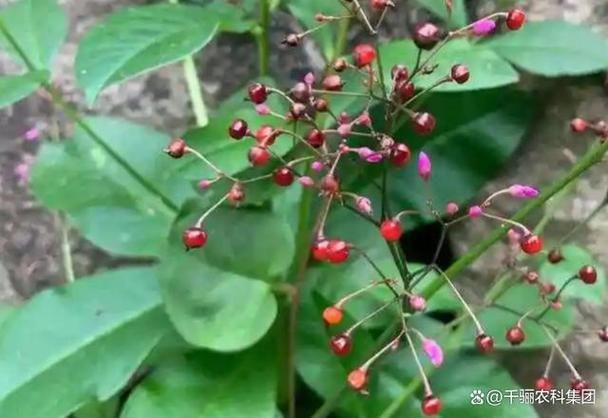
Indigenous participants require seedlings, which can generally be carried out by such methods as pouring (spraying), ejecting (directly inserting seeds into the soil) and potting (planting)。
Depending on the circumstances of the leaching period, the injection can be divided into “long leaching” and “short leaching”. Among them, long-duration leaching, which immerseses natives in dry grass or seeds for more than 120 hours in water, can increase the water intake and growth rate of seeds. Short-term leaching is 20 to 30 minutes of immersion of seeds or dry grass in warm water to soften dry grass and increase the growth rate, although it is less effective than long-term leaching。
Soil improvement
Soil improvement is an essential component of native participation. The placement of organic or biobacterium fertilizers on land can appropriately increase the content of organic matter and improve the population. In addition, the introduction of more water-absorption or the addition of more decomposition sludge can be effective in improving soil conservation and drought resistance。
Water from earth ginseng
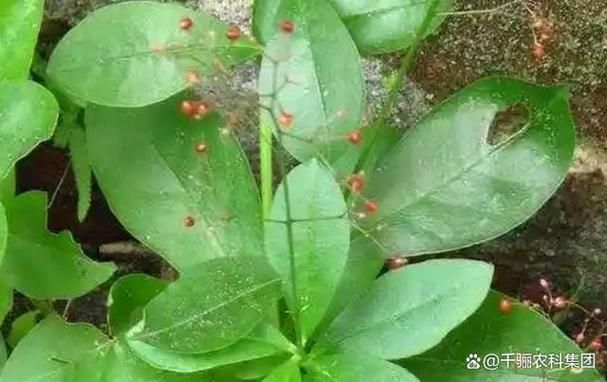
Watering is also a priority for the cultivation of earth gin, which is usually suitable for a wet environment. At the beginning of the planting period, two to three times a day of water was better and evenly distributed, not because it seemed too dry to be watered too frequently, otherwise it would cause soil to become too wet, causing water stains such as rohanju in the natives. Once the stage has matured, water can be poured once a day。
Fertilizing the native ginseng
The fertilisation season for natives is divided into springs, summers and autumns. In the spring, bottom and fertilizer are usually used, in the summer, organic or home-made herbal fertilizers, etc., and in the autumn, complementary nutrition is required. Although fertilizers can provide nutrients for natives more quickly, the use of organic fertilizers is recommended because of the high chemical content of fertilizers, which has some negative impact on the land。
Insect and disease control by natives
Insects and insects, such as aphids, worms, yellow worms and asympathies, also appear from time to time during the planting of earthworms. Focusing on normal management, more weed cleaning and foot-throwing can effectively reduce the occurrence of pests and diseases. At the same time, biological and herbal control can be used for pest control。
The collection of natives
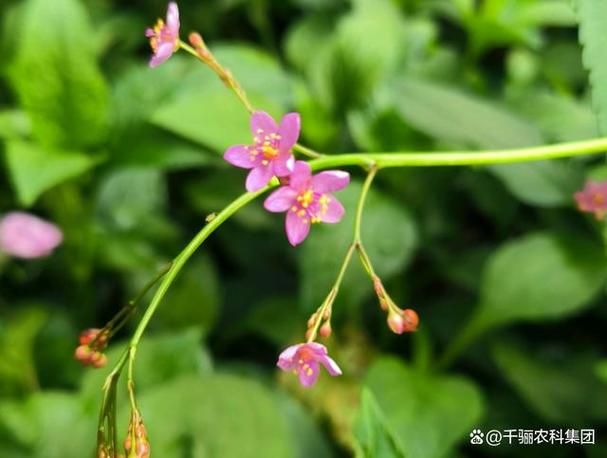
The native harvest is to choose dry weather, to minimize the amount of moisture, to the extent possible, to the extent possible, and to the extent possible not to destroy or sever the roots, and generally to be collected in detail according to the growth of the native gin, in the best interest of freshness。
Summary
These are the techniques of indigenous farming. For beginners, the process of planting, although somewhat complex, is one in which much can be achieved if care is taken to manage normal details, patience and perseverance。









