


(i) land selection, topography and fertilization
1. Landing
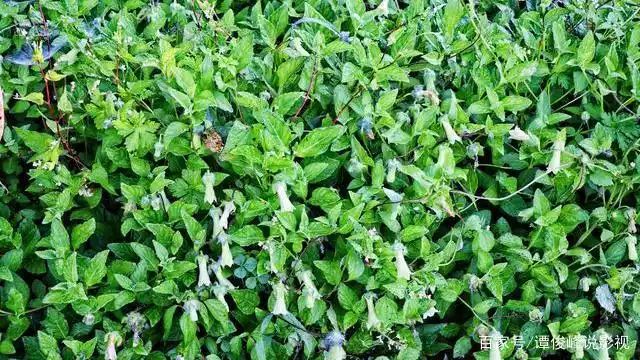
It is desirable to select semi-cyan slopes, soil estranged and fertile sandy border soil, close to the water source, which can be easily irrigated during the seeding period. It is desirable to select areas with sufficient light and a loose and fertile sandy border. Replanting is mostly drylands in the producing areas and is of poor quality. It is desirable to choose whether the ground is half-yang or half-cunnel, or the ground is thick, otherwise the roots are short and the merchandise performance is poor。
2. Land as a whole
The creation of a good soil environment for the growth and development of party participation is a key link in the acquisition of quality seedlings and quality products. Once the land has been selected, the work must be done before planting or during planting. In the party's main production areas at high altitude, the party's fields of cultivation are generally thinner and therefore shorter. In order to thicken the living earth layer, twice the living earth layer can be grouped together, with the active earth layer and the dead layer being 30-35 cm wide, with two rows of participation. The nursery grounds are used to make more diarrhea, so that water can be sprayed。
Fertilization
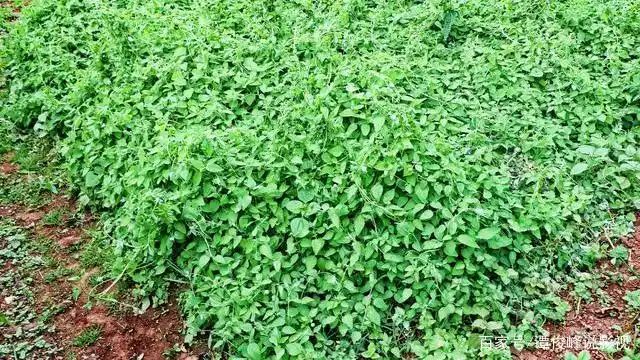
Party membership is a fertile plant, which should be technically based on bottom fertilizer, usually with more than 2,000 kg per acre of high-quality farmer fat, plus 50 kg/acre of perphosphate calcium per acre in the platinum, fully formulated for use as bottom or fertilizers, with the advantage of a ditch, commonly known as “a large fertilizer, less than a line”。
More horses and sheep are grown in the production areas, and the choice of fertilizer type should be based on horse, goat and goat-heated fat, followed by pig and cow-cooled fat. In general, nitrogen-based fertilizer is not applied, but rather fertilized with pretzels and potassium sulphate. Fertilizer is applied in combination with the whole area or with the sowing. The nursery grounds are suitable for distribution and the planting grounds are suitable for distribution。
(ii) seeding
Direct seeding
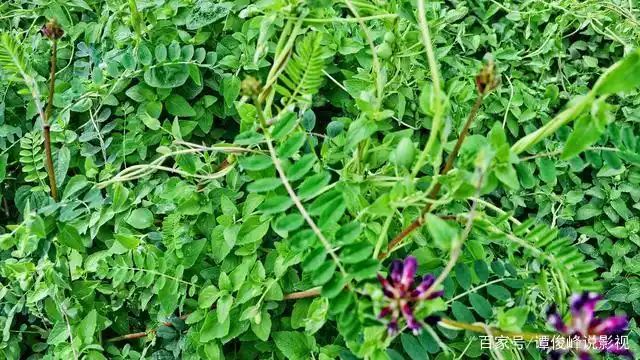
Direct planting has the advantage of saving labour and time. Party participation is straight, small and good. In recent years, sowing areas have gradually expanded. The disadvantage of direct sowing is that party participation has a long lifespan and generally takes three or four years before digging. The party participants sow for a long period of time, from early spring when the soil is unfrozen to before it is frozen. Drylands are usually seeded prior to the freezing of the soil during the rainy season or in autumn and winter, with high rates of seedlings and strong seedlings. It is often hard to get seeds out of the spring due to the spring drought or the lack thereof。
In irrigated areas, spring broadcasts are available. It is very early in the spring, and when it is too late for planting, the seedlings are too small to die from the sun; it is too late for the winter, and it will not sow in the year after planting, and it will come out the following year. The production is based on the rainy season at the end of the summer and early autumn, where the seedlings are well grown and strong. In order for the seed to germinate early, it can be immersed with hot water of 40-50°c, mixed into the seed, at a temperature similar to that of the hand, for a further five minutes, then placed in a gauze, washed several times with fresh water, then bagged on indoor sand piles of 15-20°c, and washed with fresh water once every 3-4 hours. Five to six days of seed can be sowed. We can also plant dry seeds。
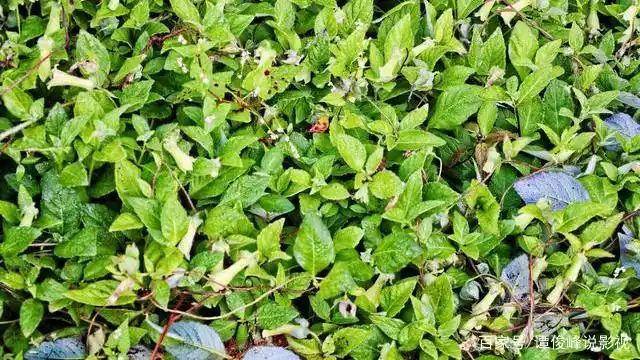
The seeds of party membership must be selected for new seeds, the seeds of party membership must be stored for two years in a colourful state, the lack of light, the significantly reduced rate of seeding, which is only about 5 per cent, and the low growth of the seedlings. The seed of party membership is free of hibernation and easily sprouts, and 15-20°c is the best sprouts of party participation, with a growth rate of 80% -- 90% -- and 10-15 days after planting. At 20-30°c, the gerontization rate is reduced as temperatures rise. It can be broadcasted or broadcasted。
It facilitates field operations, such as the planting of grasses in china, by opening ditches at a distance of 25 to 30 cm and deep in trenches of 2 to 3 cm, so as to spread the seeds evenly into the ditches, with shallow soil covering the seeds, which is suitable for the thickness of the soil not exceeding i cm, and is then suppressed so as to bind the seeds closely to the soil, so as to yield seedlings, then cover them with grass or branches, so as to protect the wetting and seeding periods. Approximately 1 kg per acre. Poor-quality whole-land seeding can be appropriately increased. Seeding should be followed by proper watering and frequent wetting of the ground to generate seedlings. When the seed is six centimetres high, it shall be lifted from the grass or branches, and not once shall it be revealed in order to prevent the burning of the seedlings。
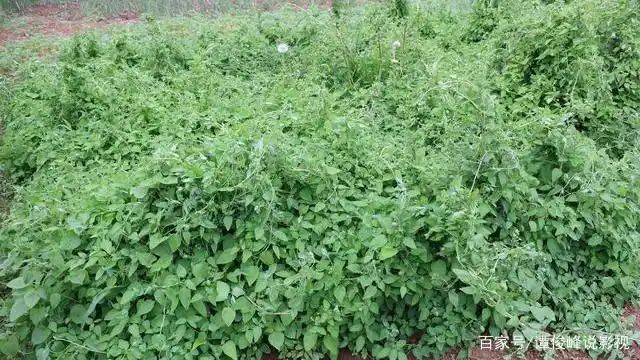
At a height of 15 cm, the seedlings have gradually increased their resilience to light and have been able to remove all the grass. Live coverage is large and requires a lot of grass, and when it is not possible to solve the problem of weeding, it is possible to use inter-cropping, using crops that produce long-lived leaf shades, such as maize, beans and so forth, as an alternative to the shade humidity of weeding, before the crop is gradually removed after the party has taken out. After planting corn sheaths, in order to humidise the soil, the lower leaves of the corn can be covered under the ground, and after the party is involved in the seedlings, the leaves can be gradually cut off or removed。
One kg of party seeds may also be used to mix them with one kg of oilseed seeds, which will be gradually removed after the party has taken part. The party participants are the main plant plant at the time of cropping, and the shades serve the seedlings and shades of the party members, and may, without prejudice to normal growth of the party participants, increase by-products as appropriate. The secondary crop should be lifted, otherwise it would have affected the growth of the party's nursery, which, if formed as a “young old man”, would not have changed the situation of the “young old man” in the later stages of management, and would have seriously affected the quality and production of the goods in which the party participates。
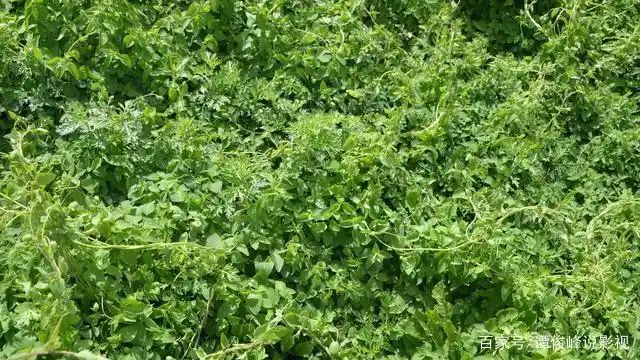
Large areas of land are also covered by extensive crop management, i. E. Semi-field farming. Before planting, the desert hills or slopes are sorted and planted in the early spring, rainy season or early winter without any management, leaving them to dig after four or five years of natural growth. This can be combined with the restoration of forest and grass, and has a positive effect on the greening of the desert mountains, the increase in the collection of medicinal or herbal products. Products can be sold as wild products。
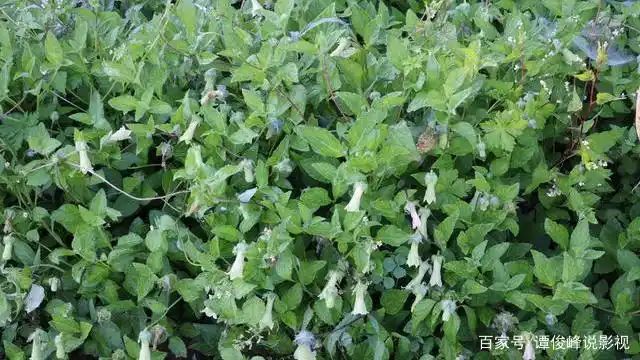
2. Cultivation
(1) cultivation
Cultivation, which is the main method of cultivation in the party-participating areas, helps to increase land use not only for high party productivity but also for shorter growth cycles. In general, one year of childbearing occurs, and two years of high-altitude mountain life occurs. One or two years after the plant was removed. The nursery grounds require precision, generally to be stymied, with a width of 1. 2 to 1. 5 metres, to facilitate the spraying of water, but they can be produced as long as the bottom water is watered, or the dry land is well fed, and generally no further water is required. It is also broadcast live。
The planting period is better in the spring than in the fall, when it will take another year to grow if it is not available. The floor is preceded by a rake with a rake of no more than three centimetres, with small trenches on the back floor, and then seeded, if small, with drenched grounding, a lid of repression and grass protection. 225 kg per acre. It can produce 200-500 kg per acre。
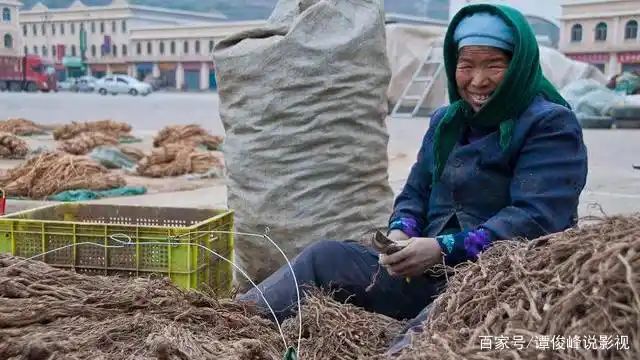
(2) deplantation
The seedlings of spring grow at the end of the autumn, so that they grow well and late, and so that they grow early and must take place before they begin. Autumn plants generally produce more than 20 per cent more than spring plants. The seedlings are excavated prior to planting, without headless seedlings, broken seedlings and weak seedlings, and are then graded according to size, size and length, with a small crowd of about 50-100 bundles, which are planted with them。
If it is not finished on that day, then the seedlings shall be buried in the soil, and water shall not be spilled on the seedlings, so that they may not heat up. If the fall cannot be completed, it will be possible to dig 90 cm deep in the ground, to put the remaining seedlings into the ditch, with a layer of earth, a layer of soil, and a top layer of about 30 cm. But it can't be too deep in case it gets hot. Take it out in the early spring。
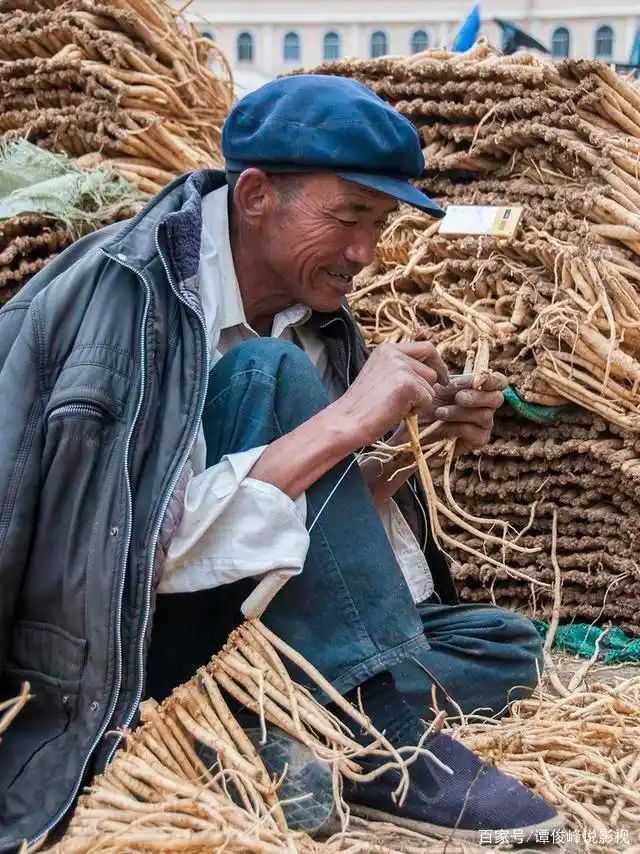
The areas are mostly dry, and the drylands are good for autumn planting, which contributes to water conservation. The loss of water from spring-planted soil is so severe that it is not appropriate to promote it, and as far as possible, autumn-planting parties should be involved. On a well-placed ground, open ditches at a distance of 20-30 cm with a depth of 15-20 cm. The slopes of the hill shall open ditches at a horizontal level along the slopes, slashing the seedlings in the ditches by 5-10 cm and then covering the top of the earth by 3-5 cm. Usually, 20,000 seedlings per acre are planted, 30,000 small seedlings are planted, and 30-40 kg are used per acre. Where water is available, it should be used once before it is frozen, in the event that it is “freezing day and night”。
In areas not irrigated, dredging or repression once before freezing. In the thirty-nine days of the coldest winter, when the wind is windy, the ground cracks because of the loss of water, the wind blows and freezes to death, and in the spring there is a lack of seedlings, which can be used to crush the ground, flatten the floor, and crush the dry earth floor to protect it from freezing and water. In the early spring, when the surface of the soil is unfrozen by 2 cm, the “top floor” is performed in a timely manner, bearing in mind that no nails can be used to get to the ground so that it does not damage the lumbering head to the mass。









