


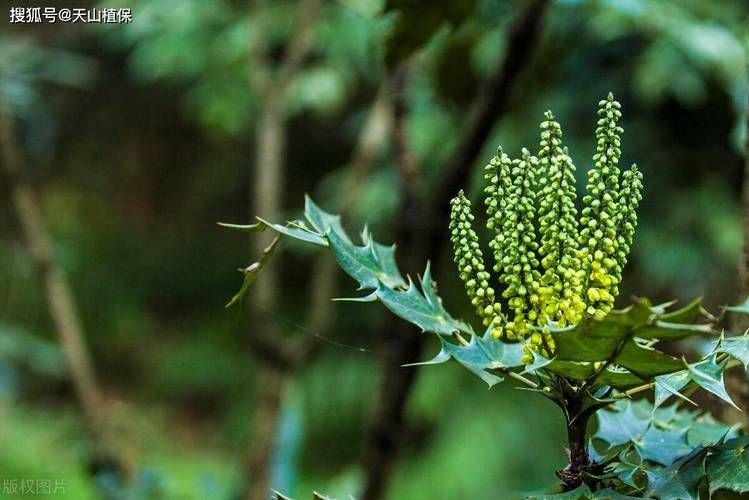
Yellowblatt's technical reporter for cultivation: 2024-01-03 yellowbold's profile 01 yellowbop, a catalogue of economic benefits and market prospects for pest and disease prevention and management, originated in china, mainly in the central and southern regions of china, such as sichuan, hubei, hunan and zhejiang provinces. The origin is the mountain region, which grows more than 1,000 metres above sea level and prefers to grow in a sun-rich and humid environment. Distributional origin and distribution of yellow tart tend to be grown in deep soil, fertile soil and sandy soil with good drainage, with some requirements for light and temperature, and with sufficient sunlight and warm climates. Yellow platinum is a slow-growing plant that requires long periods of growth to reach the standard of medicinal use. Cultivation therefore requires patience and fine management. The tree bark in which the ecological growth characteristic grows in the environment is the main drug use. The pharmacolytes, which have thermal detoxification, dry and wet dysentery, etc., are often used for the treatment of diseases such as heat, yellow sluice, dysentery, etc. Among chinese medical prescriptions, yellow platt is one of the most common medicines. Medicinal value planting technique 02 chooses either deep, lax, well-watered sandy or corroded soil, which is not suitable for low-lying flooding. Land is chosen for deep cultivation, ground is applied to base fattening, and each acre is used to fatten up to 2000-3,000 kg of mature farmers, and tillage is then smoothed. Ground- and ground-based seed breeding selects good parent trees, extracts mature fruit, and drys the seeds and stores them. In the spring of march-april, seeding was carried by stripping or sowing, covering 2-3 centimetres of soil and maintaining soil humid, yielding seedlings for about 15-20 days. Plugs in the procreative selection of a strong juvenile branch, cutting into 10-15 centimetres long, remaining wet and about 30 natural roots. The method of reproduction is regular weeding and the field is kept clean. Weeding follows nitrogen, phosphorus and potassium fertilizer in due course, depending on yellow-breed growth. The fertilizing of the larvae to promote the growth of the tree body; the adult tree to trim the dead branch, the sick branch, the weak branch and keep the tree permeable. Periodic examination of shears shows that pests and diseases are treated in a timely manner. The main diseases are rusty, powdery, etc. The main pests are aphids, red spiders, etc. Pest and pest management in the field and the management of the 03 root causes of decomposition are common diseases in yellow plaster cultivation, which mainly harm the roots of yellow plaster, lead to the decomposition of roots and affect the absorption of moisture and nutrients. Prevention and treatment methods include the selection of well-drained plots, timely drainage during the rainy season and rooting with agents such as multibacterium or methyl tobuzin in the early stages of the disease. The dead leaves are mainly harmful to yellow blades, causing them to die and fall. Control methods include improved field management, increased application of organic fertilizers, and the prevention of sprays of medicinal agents such as desen manganese zinc or enzymes at an early stage of the disease. Common diseases and the prevention of common pests and aphids are mainly harmful to yellow leaves and twigs, as well as to the consumption of juice, resulting in leaf curls and wrinkles. The methods of prevention include biological control using natural enemies or spray control using agents such as americium. Red spiders mainly endanger yellow blades and suck juice, leading to greening and yellowing of leaves. The methods of prevention include improved field management, increased humidity and the prevention of sprays with dictums or dictums in the early stages of disease. The pick-up time during the collection and processing of 040102 should be preferred to take place in clear weather to avoid harvesting during rain or open water before drying, thus affecting the quality of yellow tart. Both spring and autumn harvests are available, but better harvests are available in autumn, at a time when yellow tart has a high biological activity and a high active ingredient. When harvesting methods are used, a strong, disease-free plant should be selected for harvesting from the top down and outward inward. Attention should be given to harvesting branches that have full green leaves and healthy topsprouts, avoiding ageing or pests. After harvesting, the yellow twigs should be removed from the leaves in time for drying or drying. In the process, the environment should be kept dry and well ventilated to avoid yellow-battered tides, molds or deterioration. The processed yellow tart shall be stored in dry, cold places and regularly inspected to prevent tides, worms or molds. Economic benefits of processing methods and market prospects05
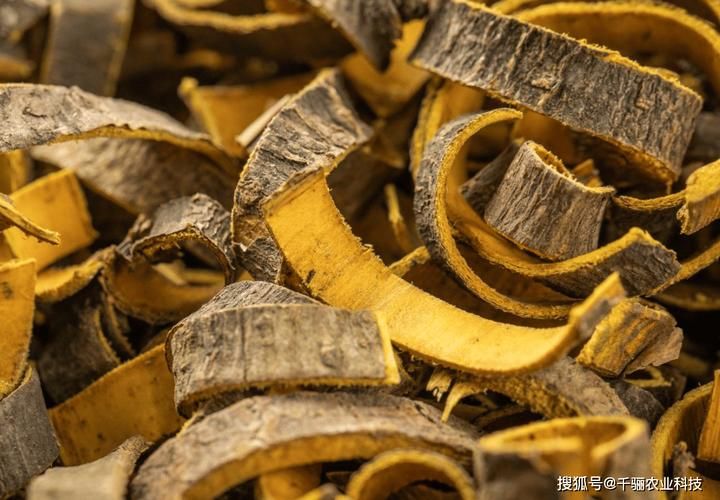
The eco-efficiency analysis of the pharmacological value yellow is a medicinal value plant whose barks, fruits, etc. Have thermal detoxification, dry and wet diarrhea, etc., with high market demand and high economic efficiency. The eco-efficient yellow balconium is highly adaptable and growing at a fast pace, which improves soil quality, improves ecological quality and creates ecological benefits for society. Economic efficiency gains can be achieved by increasing the production and quality of yellow tar, through scientifically sound planting techniques. As awareness of and demand for chinese medicine increases, yellow tart as a commonly used chinese medicine, market demand increases year by year and market prospects are high. Market demand is currently relatively small in the market, relying mainly on wild resources and therefore less competitive in the market. As the chinese pharmaceutical industry continues to develop, yellow-breed cultivation technologies will continue to be optimized and improved, yield and quality will also be improved, and market prospects will be better. Thank you for watching thanks









