


In the horticulture system, trees can be divided into several categories depending on their origin and manner of cultivation. Primary seedlings are one of the basic types, specifically those directly obtained through plant-based reproduction (i. E. Seed seed seeding) and treated without sexual means of reproduction, such as marriage. The genetic material of this type of tree is derived directly from the mating of the parent plant, so its individuality shows some degree of separation and variation, as does the difference between siblings in the human family. In comparison to “nutrient seedlings” that are cultivated sexually, such as by matrimony, interpolation and so forth, and that can stabilize the specific characteristics of the mother, primary seedlings are the raw material for plant expression of genetic diversity and selection of new varieties。

New suit, new private website
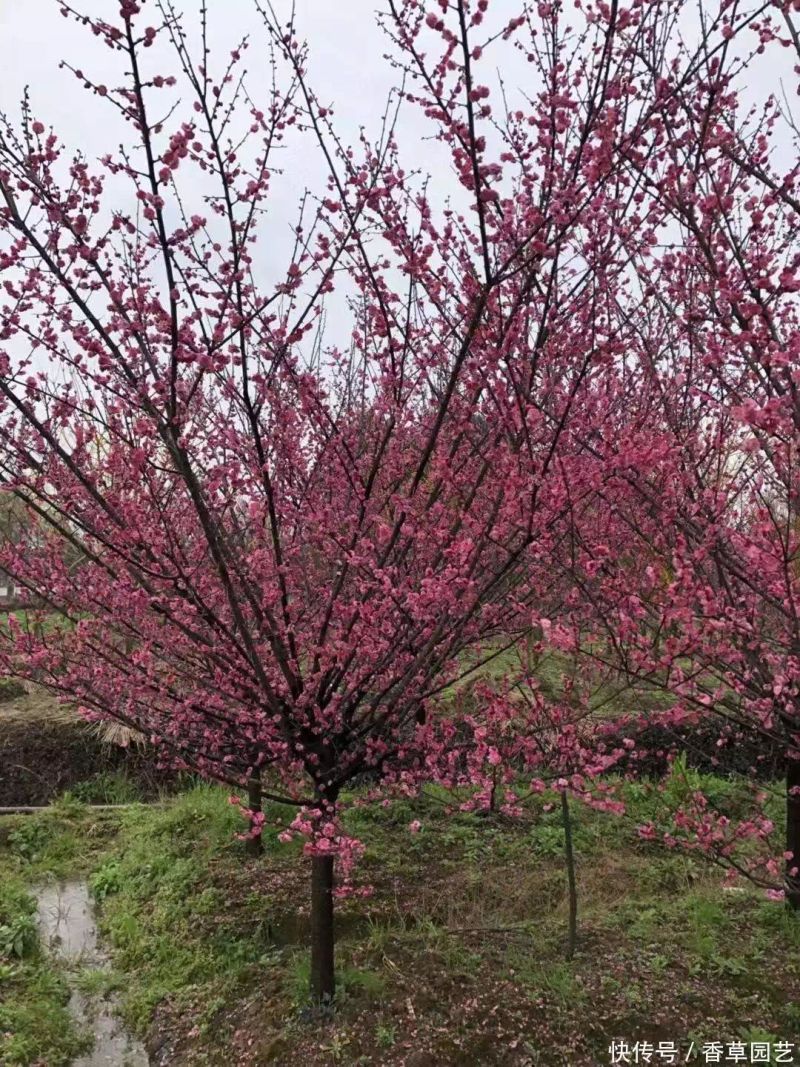
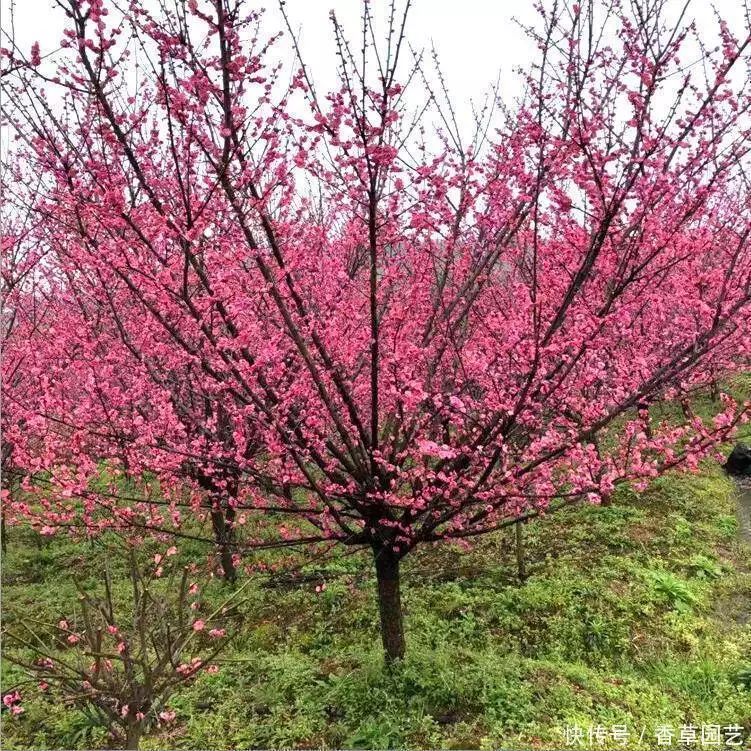
Red may, a tree of appreciation for the zhuico li, where the breeding of seedlings begins with mature fruit. Its fruit is a nuclear fruit, wrapped inside it with a hard seed. The acquisition of seeds requires a period of low-temperature sand collection to break their physiological hibernation, simulate the environmental conditions of the natural winter and encourage the seed to develop at a suitable temperature. The seedlings that break through the soil from this seed are the original form of the “premature red seedling”. Its roots are rooted in embryos and are dominant, usually strong and deep. During the sapling season, the characteristics of the plant, such as leaf formation, branch-dry growth, prime time and color, may vary to varying degrees from its parent tree, which is the manifestation of its sexual reproductive nature。
From primary seedlings to red plume-producing trees with a stable view, there is a key technical link — screening and stereotyping. As a result of the sexual separation resulting from seed breeding, there may be different types of individuals in a prime red plume, with different petals, and with different dates. Professional breeders observe and screen these seedlings on a long-term basis on the basis of established goals, such as the pursuit of luminous vermin, heavy petal flowers or specific aroma. A fine monolith that meets the goal is marked. These selected seedlings can be grown directly as monolithic seedlings if they are sufficiently superior and stable in their own right; in more cases, they can serve as valuable “silver” or “breeding progeny” resources. As a log, its strong primary roots can provide a good growth base for the next good breed; as a parent, they can be used for hybrid breeding and the development of new varieties。
In large horticultural areas, such as those that enjoy the reputation of vanilla horticulture, the composition of their product systems clearly reflects the diversity of tree types. Such areas typically provide a rich variety of plant products covering multiple uses. The catalogue of products may include the current season of vines for vertical greening, the month of reptile seasons, lignows, vegetables, saplings, saplings, saplings, saplings, saplings, saplings, saplings of red leaf, beaks of the west, twilight beams of the sea, violets of the sea, violets of the sea, violets of the sea, violets of the sea, violets of the sea, violets of the sea, violets of the sea, swabs of the sea, and vegets and flowers of the sea, as well as the collage, plaster, green plumes and seeds of various kinds. In this vast and professional spectrum, the role of primary red plume as a basic reproductive material is more focused on providing the industry with a genetic base and the possibility of breeding, rather than being displayed as a large amount of wood directly as a standardized commodity. Its existence is one of the sources of continuous evolution and innovation in the industry。
For horticultural practitioners, it is essential to understand the characteristics of primary red plumes, which are directly related to cultivation expectations and application options. Its core features can be summarized as follows:
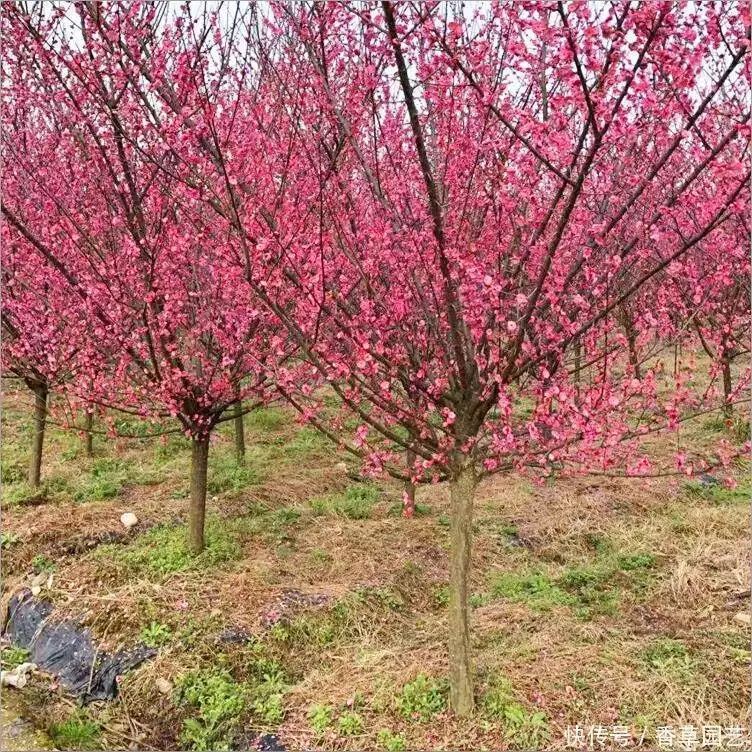
1. Sexual variability: the purchase or sowing of seedlings implies acceptance of the uncertainty of their future flowering. It may produce surprising flowers or display mediocrity, making it more suitable for use in breeding experiments or eco-greening projects that are less demanding for specific characteristics。

The newest website is now available on 65535 over 65535
2. Strongness: often, there are more developed and in-depth root systems, and resistance, adaptability and life-long potential may be better than some non-sexual seedlings, especially in bad, drought-like conditions。
3. Cultivation of long-termity: from seed to flower, it takes a long period of time and the tree shape requires longer periods of manual guidance or natural growth to form an ideal attitude. In contrast, red plume saplings attached to styling wood tend to enter the observing period faster。
Thus, in the decision-making process for greening and private gardening, the pursuit of fast-growing landscapes with stable, specific visual effects (e. G., precise grass, heavy petals, fragrance, etc.) usually directly chooses the “fresh plum seed” that fixes the characteristics of the varieties, including through marriage. The value of primary red plumes is reflected mainly at the front end of the systematic chain of production of trees, which is the starting point for the birth of new varieties and the vehicle for the conservation and use of the full genetic resources of red plum species. Its nurturing is a long-term and foundational effort that lays the biological foundation for the diversity of the red plum seed resources and the future emergence of better horticultural varieties。









