


The parts of the hand can be divided into four areas of palm, finger, back and bone. Each region consists of multiple sub-structures, which together achieve manual flexibility and precision. The following are the specific names and functions of each department:
I. Hand in hand
Hand in hand.
The dented area of the centre of the palm, with thicker skin and full of palm marks, is the main point of contact in gripping the object。
Head.
At the intersection of the wrists and the palms, they support the stability of the hands and participate in the wrists。
Fish: 3.
The muscular parts of the thumb, which consist of, for example, the thumbs, the thumbs, the thumbs, etc., control the grip and the palms。
Little fish 4.
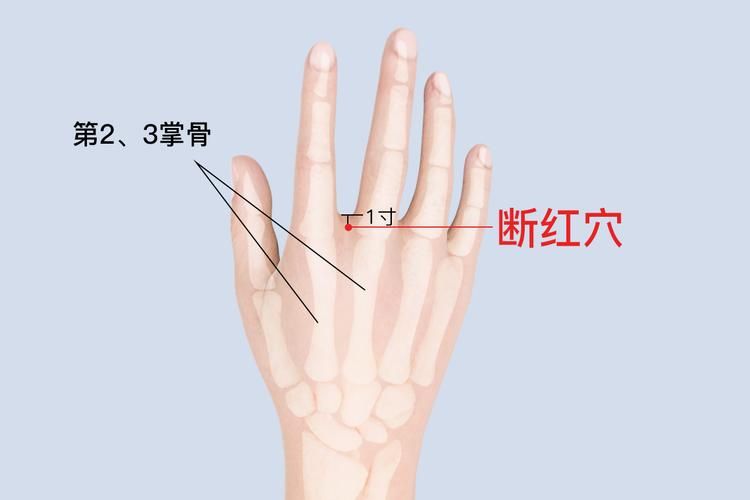
The area where the muscles on the side of the finger rise, consisting of the muscles of the small finger, etc., supports hand outreach and fine movement。
Ii. Fingers
Thumb 1.
There are only two fingers (near and far-off) and the most flexible is the hand-held function when seized。
An index finger, medium finger, no name, little finger 2.
Each finger consists of three fingerbones (near, medium, long-range) and the stretching and scratching is done by joints。
Section 3.
The joint area between the parts of the fingers forms a crossline in the wrinkles of the skin so that the fingers can bend。
Nail and nailbed 4.
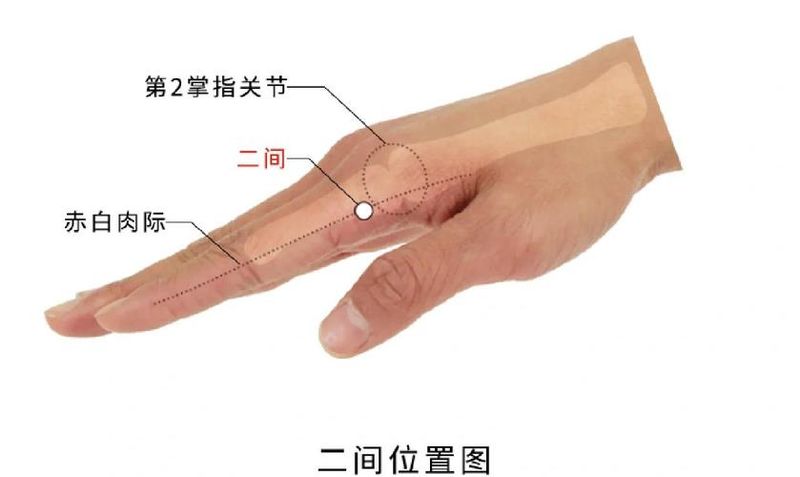
Covers the back of the finger end, protects the tip of the finger and enhances the sensitivity of the touch; the nail bed is the base tissue growing from the nail。
Iii. Back of hand
Fingernail 1.
Skin-connected areas between the root of the finger enhances the coordination of the finger and brings it together。
Opial contour 2.
The back of the hand can be found in five condensed lines of the palm, corresponding to the bone support structure of each finger。
It's mystic 3.
The strip structure visible under the back of the arm, which connects the front arm muscles with the fingerbone, is responsible for extending the finger。
Iv. Bone structure
Wristbone 1.
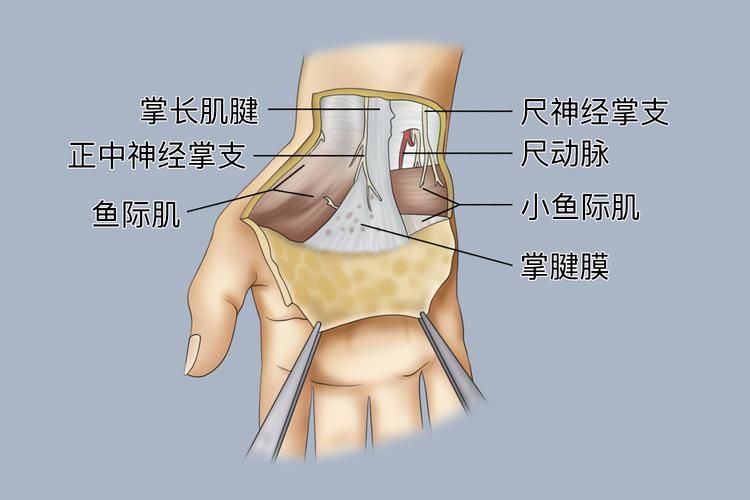
It consists of eight small bones, which form the basis of flexibility in the wrist joints, divided into a close line (canoe, moon, triangle, peabones) and a long line (mostly argon, small horn, skull, hook bone)。
Axebone 2.
Five long bones, which connect the wrist and finger bones, support the palm form and transmit power。
Pointbone 3.
A total of $14, thumb two, and the rest of the four fingers three sections each, with fine action through joints and radon。
V. Hand function association
Through the coordination of the above-mentioned structures, hands can be used both to achieve robust grips and to perform high-precision actions such as writing and playing. Knowledge of these areas helps prevent injuries and is targeted in rehabilitation or sports。









