


Okay, "tide computing" is a very important concept in the area of electrical system engineering. The “tide” here does not refer to currents of fashion, but rather to the state of the flow of electricity, i. E. The distribution of power (p) and powerlessness (q) in the grid。
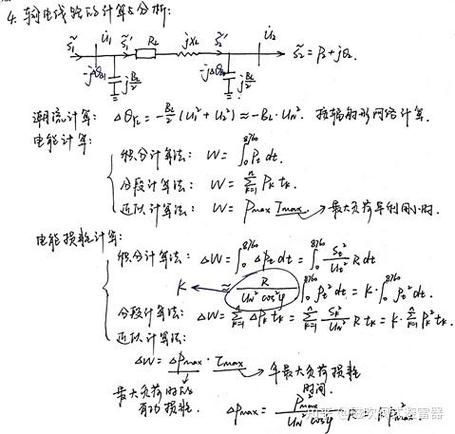
In short, current calculations (power flow calculation / load flowstudy) are the calculation of the state of the entire grid during steady-state operation in the context of a given power system network structure, component parameters (e. G., circuit resistance, transformer ratio, etc.) and operating conditions (e. G. Generator power, load power, main-line voltage, etc.). These include, inter alia:
The voltage bands and angles of the nodes (backlines) are the basic parameters for grid stability. Power (p) and power (q) flows on the main roads (lines, transformers): this is the core result of the actual analysis of how electrical energy is transmitted. Power loss in the grid: thermal wear and tear that can be generated when electricity is transmitted on the line. What is the main purpose of current calculations? What information is required to conduct current calculations? How many nodes (backlines) of the system are connected by circuits and transformers? Parameters: generator data: where the carrier is located, power (p), power (v) or power-free range (q) of the output. The type of main line in which the generator is located is usually an pv node or balance node. Load data: power-consumption (p) and powerlessness (q) on each bus, or expressed in load models associated with voltage. The type of carrier is usually a pq node. Balancing nodes/floating parent lines: a parent line must be specified in the system as a balancing node. It is responsible for providing power loss (including network loss and a small unsatisfied load) in the system that is not covered by other generators, and its voltage band (v) and diagonal (thorium) are given (usually the baseline angle, e. G. 0°). The power (p) and powerlessness (q) of the node are calculated as a requirement. The main fm plant is usually selected on the main line. Other control constraints: for example, transformers can be rotated. The core element of the current calculation and the type of difficulty node: consistency: the iterative process needs to condense within a reasonable number of overlaps to a solution that meets the precision requirements. System parameters are unreasonable or close to stabilization limits at the point of operation may lead to non-inflation. Calculate precision and speed: there is a need to balance the two, especially when real-time computing or large system analysis is required. Summary
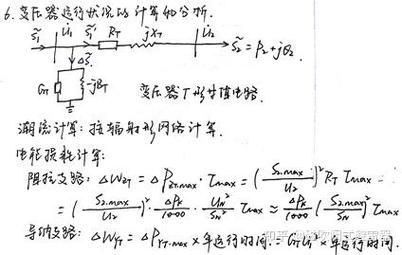
Simplely understood, current calculations are like steady-state hydraulic calculations of a complex pipeline network system (grid). We know water pressure (generator voltage), flow (load power) and plumbing parameters (width resistance) at the point of discharge, and by calculation we know:
These calculations are essential for the safe, stable, economical and efficient operation of the electricity grid。

Do you need specific formulas, computational steps, or code examples of some software? I can explain one of those aspects in greater depth. ♪ i'm sorry ♪?









