


I. Definition and characteristics of a reflection of the morrow
The reflection of the day after the day, also known as the reflection of conditions, is the result of a repeated correlation between external stimulation and specific behaviour. For example, bells were heard to saliva (the pavlov experiment), red lights were seen to stop. Its features include:
Absorption: need to be established through training or experience, not by birth. 1. Temporary: if the association stimulates a long-term interruption, the reflection may diminish or disappear. 2. Individual differences: the speed and intensity of individual formation are influenced by factors such as learning capacity, environment, etc. Reliance: only triggers can be triggered under certain conditions, such as specific sound, scene, etc. I'm sorry.
Ii. Mechanisms for shaping the reflection of the day after tomorrow
Neural base 1.
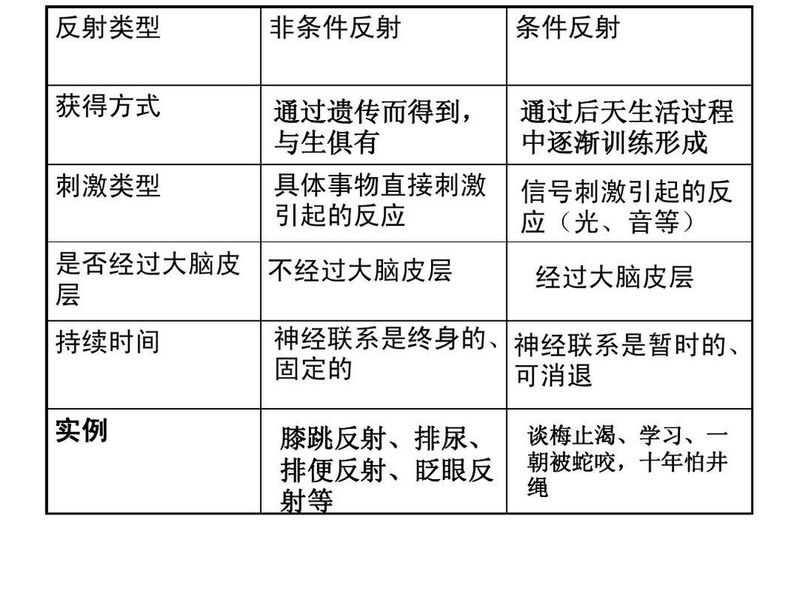
The day-to-day reflection relies on the regulation of the cortex of the brain, especially in areas related to memory and thought (e. G., hippos, forehead). When unrelated irritation (e. G. Bells) is combined with physiological irritation (e. G. Food) many times, they create temporary neural connections in the brain, and ultimately individual irritation can trigger reactions。
The classic condition reflection experiment.
Bavlov found out from the experiment that the dogs were being fed with the simultaneous bells, which, after repeated repetitions, could cause the dogs to saliva. This process revealed the principle of stimuli as an alternative - the neutral irritation (ringing) replaced the original irritation (food) as a signal to trigger a reflection。
This post is part of our special coverage syria protests 2011.
Iii. Practical application of announcements
Behavior training 1.

Animal domestication (e. G. Pet listening instructions), human skills learning (e. G. Typing, swimming) depend on the creation of conditions for reflection. Through repeated exercises, the brain connects actions to specific commands or scenes to form an automated response。
Emotions and habits 2. Medicine and education 3.
Iv. Comparison with non-conditional reflections
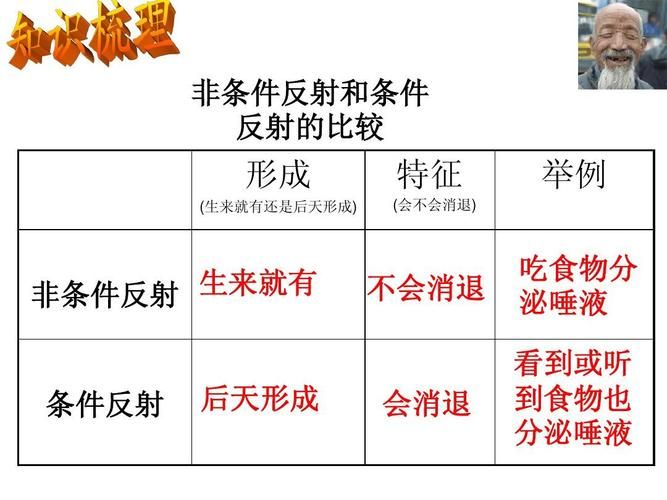
Characteristic day reflection (conditional reflection)









