


1. Water pressure differential off
The test is based on the water pressure differentials at the end of the heat exchanger and the discharge, matching the standard pressure differential thresholds for the equipment to quantify the flow of water, the output switch telecommunications, the precise determination of the actual circulation of water on the route, the connection of the host, the pump for protection, and the activation control。
When the heat exchanger has water in normal circulation, there is fixed pressure differentials in the water entering and leaving, the switch is open and the crew is functioning normally; when the pipe is blocked, the pumps fail, the water shortage causes the flow to be smaller, the pressure differential is below the set value, the switch is off, the water protection is triggered, the crew is shut down and dry burning, the heat exchanger is frozen, and the temperature damage is high。
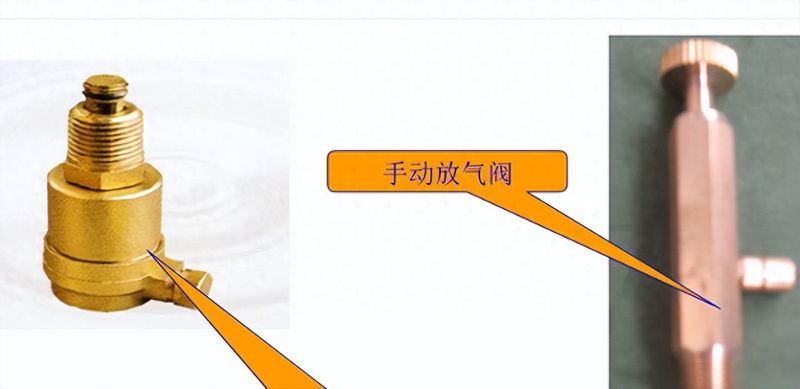
2. Emission valves (emission valves)
Air accumulates in drained closed / open water pipelines, eliminating gas plugs, air jams, preventing short water cycle circuits, insufficient flow, pump gas erosion, pipe noise, cool heat exchange efficiency。
Classification and distinction
1. Automatic exhaust valves: no manual operation, automatically floating up and out of the piped air, free of daily maintenance
Manual discharge valves: with spin buttons / thread plugs, only when the system is first pumped, detached, manually removed, and normally closed。
3. Cycle pumps
Provide water cycling power to the entire water system to overcome the routing and local resistance of pipes, valves, heat exchangers, end-of-pipe equipment, ensure a steady flow flow cycle and cold thermals for heat exchange。
4. Safety valves
A closed water system ultra-pressure security protection component, which is a mandatory security component, limits the maximum pressure of the system. When the pipe water pressure exceeds the pre-set jump pressure of the valve, the valve automatically opens the discharge pressure and protects the pressurized components such as heat exchangers, pipes, pumps, etc. From high pressure breaking and blasting tubes。
5. Target flow switches
Special flow monitoring elements for water flow, which provide for water-deficit stoppages, low-flow alerts, aircrew-activated start-up protection, most of which are used for small chillers, air power mainframe waterways protection。
The inside of the valve reaches a metal target, the target is naturally down when the pipe is free of water, the internal magnet is away from the magnetic sensor switch and the circuit is broken; when the flow is normal, the current shock pushes the target to bend, pushes the internal lever and moves the magnet position, the magnet is close to the magnetic sensor, the circuit guide, and the equipment is allowed to start. When the pipes lack water, jamming, water pumps are damaged, the water flow is weak or out of circulation, the target is reset, the circuit is broken, the equipment locks down and triggers a failure alarm to prevent dry burning without water from damaging the heater。
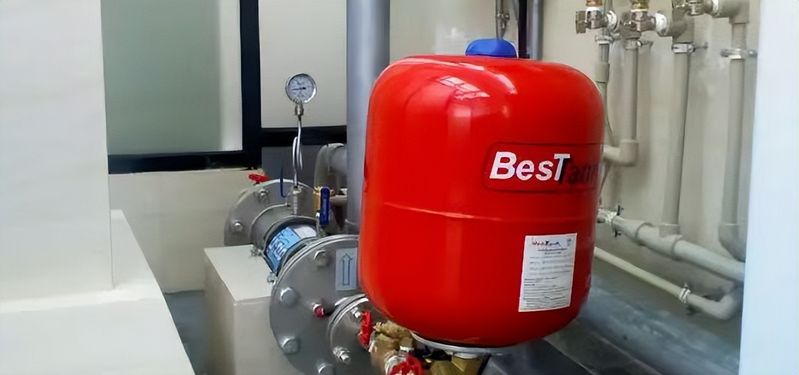
6. Inflating tanks
For closed-cycle water systems only (cold water, heat, air-enabled closed waterways), open tank systems need not be configured. Water has thermal swelling and cooling properties, water temperature increases, water volume expands, there is no additional space for closed-pipe roads and water pressure increases sharply; water temperature decreases water body contraction and system pressure declines。
7. Water recharge valves (automatic recharge valves)
The closed water system has steady water recharge components, real-time monitoring systems for static pressure, when the piped water pressure is below the defined working pressure, the valve is automatically opened and recharges from the piped water; the water pressure reaches the set value, automatically shuts down, maintains the system's basic water pressure and avoids water scarcity and low pressure resulting in insufficient flow。
8. Y type filters
Waterline impurities are pre-filtered to intercept solid impurities such as mud, rust, welds, stones, etc. In the water and to protect the rear end precision equipment. Y-slash filters can be easily dismantled and regularly removed from the net impurities, which can lead to increased resistance and reduced traffic。
9. Detailed breakdown of functional valves
(1) cut-off valve/lock valve
Function: only full open and closed waterways are supported and no traffic regulation capacity is available
(c) use of scenes: systems manager, equipment import/export, equipment overhaul, system segment maintenance, complete cut-off of the flow of the corresponding pipe, easy discharge, maintenance。
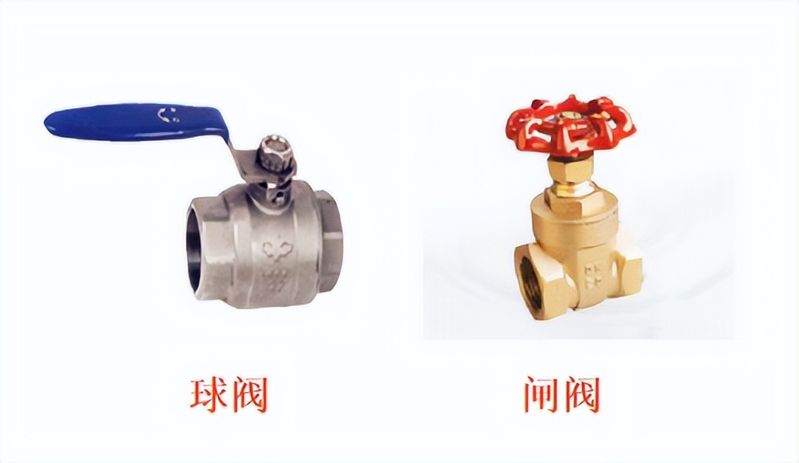
(2) the butterfly valve
(a) structural principles: water break-off at the centre of the valve by rotation at 0° ~ 90°
Advantages: small size, light weight, small space for installation and easy french docking
Use: large caliber water supply manager switch control, main circulation tube roads are commonly used in machine rooms。
(3) ball valve
(a) structural principles: internal penetrating sphere, rotating 90° to control the passage of water
(a) advantages: the operation of switches is light, the internal seal structure is excellent and the leakage under high pressure conditions is extremely low
Purpose: small bronchies, manual switch valves for the export and import of equipment。
(4) stop valves (one-way valves)
Function: single-directional, mandatory restriction of a single direction of water flow and complete prevention of reverse reflow of water bodies
Location of installation: pump exit is a standard installation point; after the shutdown, the network is prevented from returning to the flushing pump wheel to avoid the reverse damage of the pump。
(5) balance valve
Function: accurate regulation of traffic, water pressure of a single tube
Effects: balancing multiple secondary roads and cold and heat loads at the end of the floor, eliminating water imbalances and eliminating wasteful energy consumption at the end of the far end / insane, insular flows; locking on openings without repeated reconciliation。
(6) electric divalves
(b) driving method: internal mini-engine drive valve binding, regulating
(a) control logic: with indoor temperature attached to the internal temperature control, the interior temperature reaches a fixed value, the valve is closed and the end water route is cut off; the temperature is above the fixed value and the valve opens for water for heat
Impact: independent control of single-winder tubes, hot zone waterways, automatic cooling of partition rooms and energy conservation and depletion。
(7) manual control valves
Function: artificial rotation wheel changes the opening of valves and fine-tuning the flow of piped water
(b) use of scenarios: long-term fixed flow, secondary routes that do not require frequent decomposition, instead of simple transfer of balance valves。
(8) pressure reduction valve
Reduction of water pressure in front-end high-pressure tap / piped roads, steady output constant low pressure; direct shock of high-pressure currents wears and replaces heater plates, pump seals, pressure-relief valves stabilize the pressure into water, avoiding high-pressure shocks and damage to precision equipment。
(9) hydraulic valves
Application systems: spare parts for steam heating systems, cold water, hot water circulation, not used
Work logic: steam-to-heat circuits continue to produce condensed water, and water build-up impedes the flow of steam and reduces heat-to-heat efficiency; water-spill valves automatically discharge low-temperature condensed water from the pipe, while automatically locking it to death, preventing high-temperature steam from excreting with drainage and reducing steam loss。









