


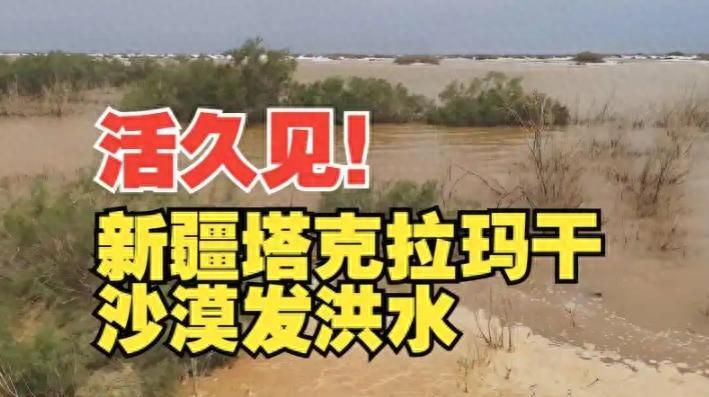
Tanned to crack' the desert and suddenly turned into mud soup。
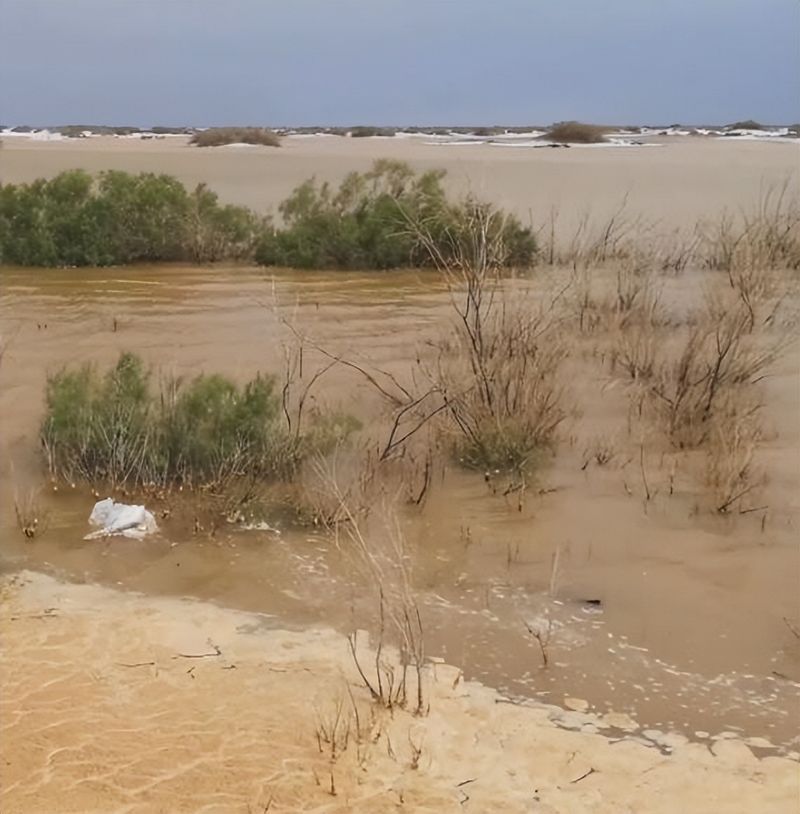
In mid-june this year, the vomiting and high speed on the edge of the takrama desert in xinjiang were swept away by a heavy rain and the resulting floods。
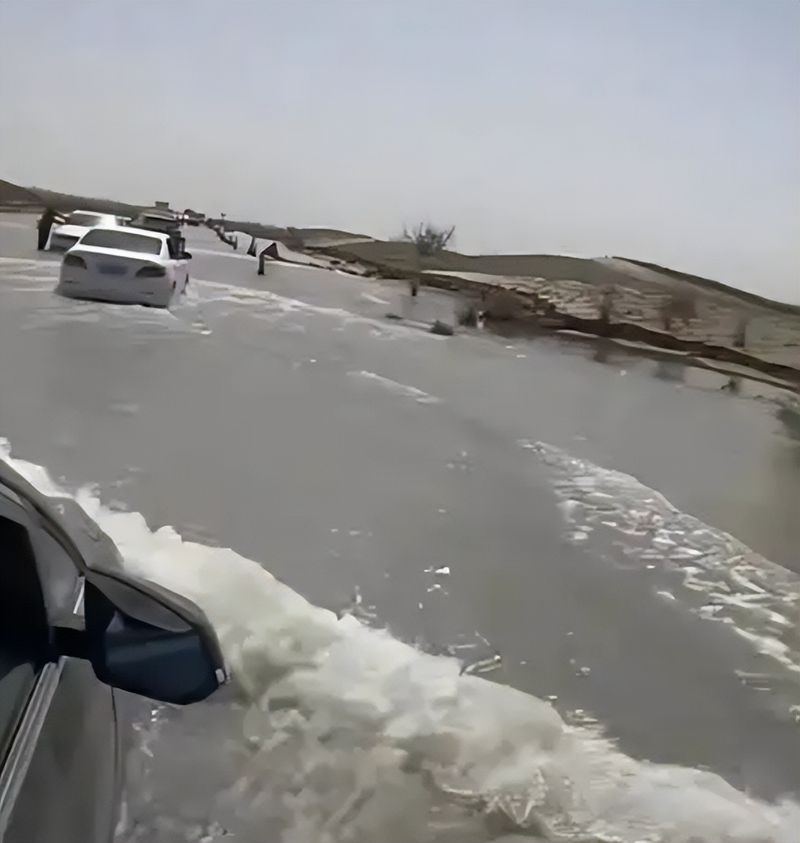
The road was covered in mud, the car was stuck in the water, and the video from the passing driver went crazy on every platform。
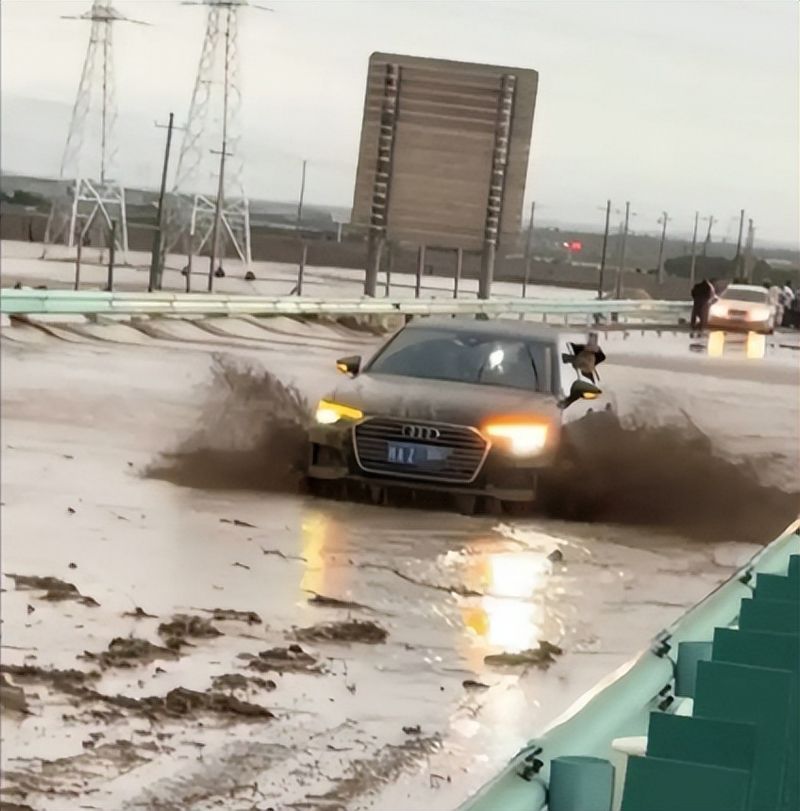
Several of the old drivers who had been on the ground for half their lives said that they had been on the road for decades and had never seen the desert build up like this。
As a result, the two voices on the internet were immediately strung together, and on the one hand, they started drawing pies for "desert to oasis, xinjiang rice" and on the other hand, they came directly to the conclusion that the earth was dying。
Why is the desert suddenly raining, is it the “earth sick” of the earth, and what is china doing to cope with this extreme weather
Where did this water come from
Let's see how big it is。
On 20 june, a 24-hour rainstorm of 64. 7 mm was carried out in wada city. This rain is not news in the cities of the south and may not even cause internal flooding。
But wada — a place with an average annual precipitation of less than 70 millimetres — is equivalent to a day's time, pouring down all the rains of previous years。
Worse still, the three hours between 11 p. M. And 2 p. M. Were 53. 8 mm。
It's the same as a year's "stock" that god has reduced to a one-time clean-up in three hours。
Why is it so sudden? It's not complicated。
In june this year, the circulation of the atmosphere was somewhat “run-off”, with cold air coming down in the north and the heat and humidity coming up in the southern indian ocean。
The two gases hit xinjiang's south border, and water hit tienshan, below the foot of mount kunlun, and was strewn by the mountains and raised, and it became a heavy rain — the weather that called the topography。
But heavy rains are only half the cause of floods。
The other half is ice on tianshan and kunlun。
In june of this year, the southern border remained at high temperatures, with snow and glaciers on the mountains melting at an accelerated pace, melting water flowing down the valley, and the waters of the tariki river rising long ago。
On 9 june, the first flood of the river, the tarim river, entered its final phase。
The storm fell on 20 june, amounting to another water basin on a river already full of water。
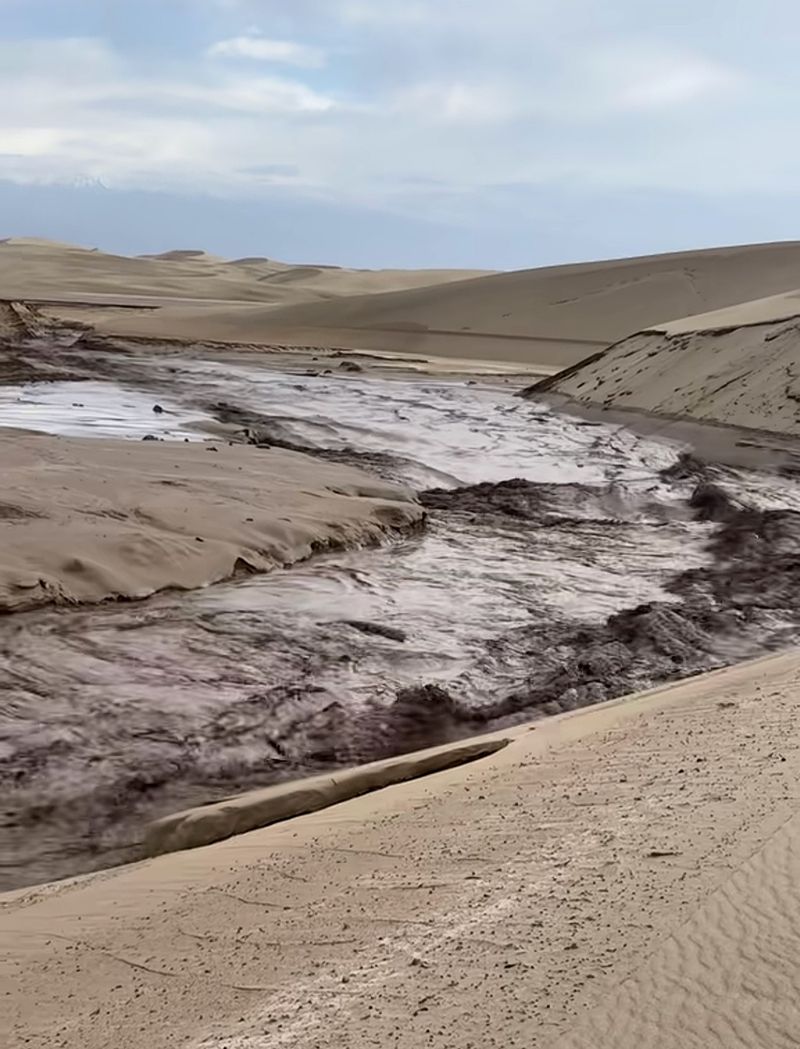
The melting of mountain water, coupled with heavy rains and floods, brought together two streams of water to storm the kunlun mountains and over the edge of the desert, leading to images of water being accumulated on highways。
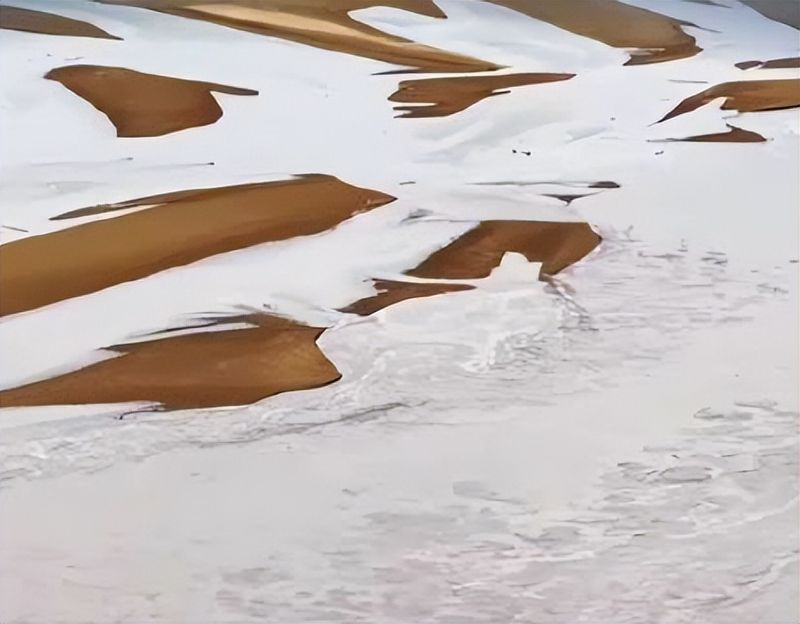
There's also a scientific detail that can be ignored: sand can actually help rain。
Over the dry thakrama desert there is a constant flow of sand and sand, and the heat and humidity flow here, so that water vapours need “condensed nodules” to become raindrops — a role that is precisely played by dust particles。
So the arid deserts may, in some special weather conditions, “bare for themselves”, which sounds a little counterintuitive, but it does occur scientifically。
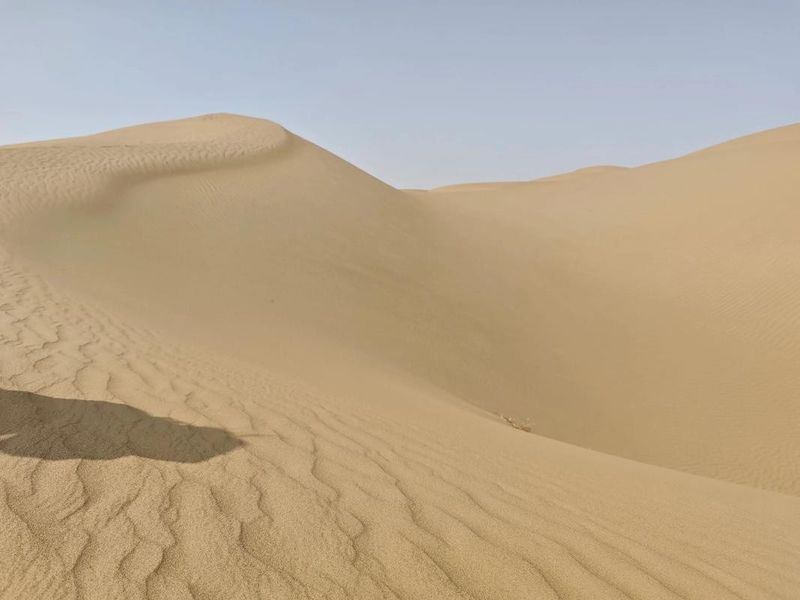
It must be made clear, however, that the flood occurred on the edge of the desert and in the pre-mountain, rather than on the back of the desert. The scenario of “all the desert turned into the great lakes” that many imagined did not exist。
Most of the deserts are still dry, and floods are localized phenomena caused by the flooding of mountains and the flooding of marginal areas。
This distinction is important — if there is a mistake, the discussion that follows is completely lost。
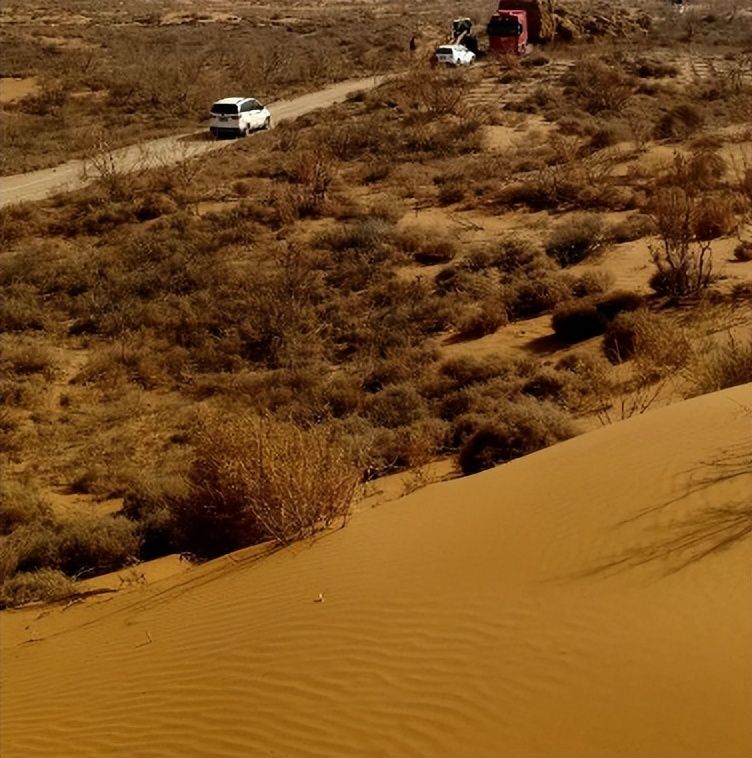
The dream of desert to oasis. Wake up
Those in the comment area who shouted, “the desert is turning into gangnam” are in an understandable mood, but the idea is so optimistic。
The average annual precipitation in the south province is only 68. 7 mm, and the national average is more than nine times that。
The precipitation of these years in the south is actually increasing -- about four millimeters per decade. But you're counting: even for decades, this increase is not enough to change the basic pattern of drought。
The experts at the autonomous region's climate centre had made it quite clear that the increase in precipitation was a fact, but it would be inaccurate to say “wetted” as a result。
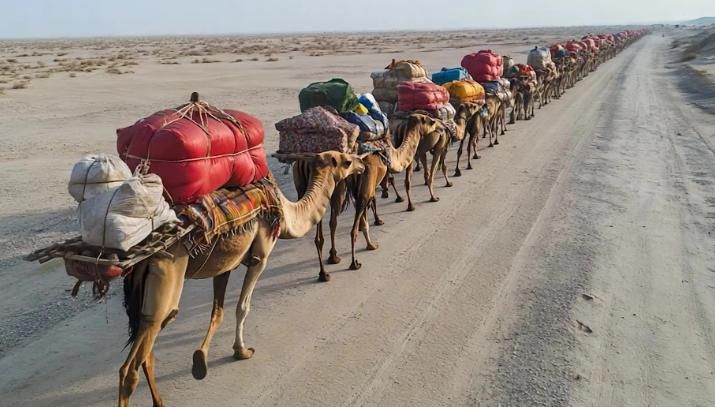
More importantly, the desert cannot afford water。
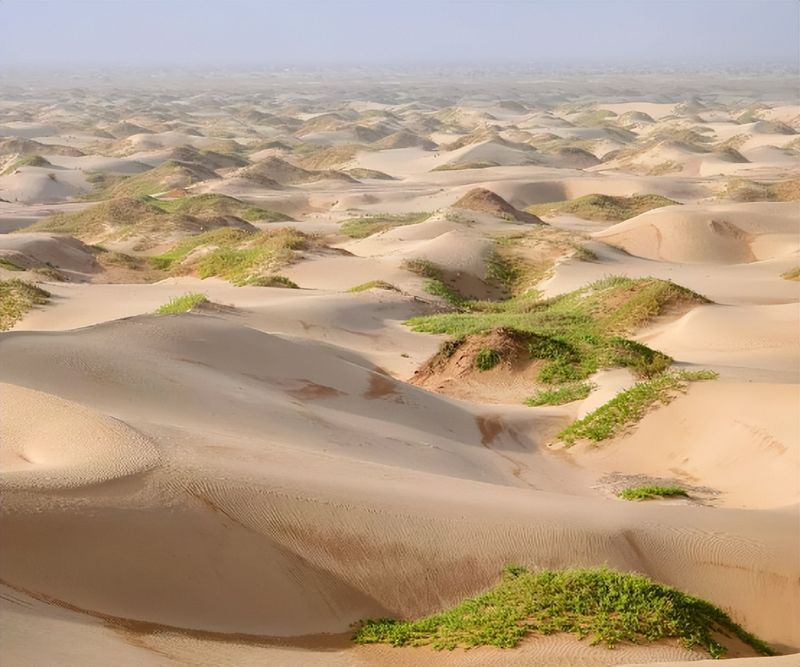
The annual average evaporation of the takrama is over 2,500 mm, which is dozens of times the precipitation. The storage capacity of the sand is almost zero — the water goes down, either rapidly evaporated by the sun or permeated directly deep underground。
It is not like the black earth in the northeast and the rice fields in the southeast that can save water slowly。
The sand is like a giant sifter, and the water comes faster。
The analysts of the china meteorological administration have also stated that desert flooding is seasonal and may form a local temporary oasis in the short term, but that “the water will not last and will not become a permanent oase”。
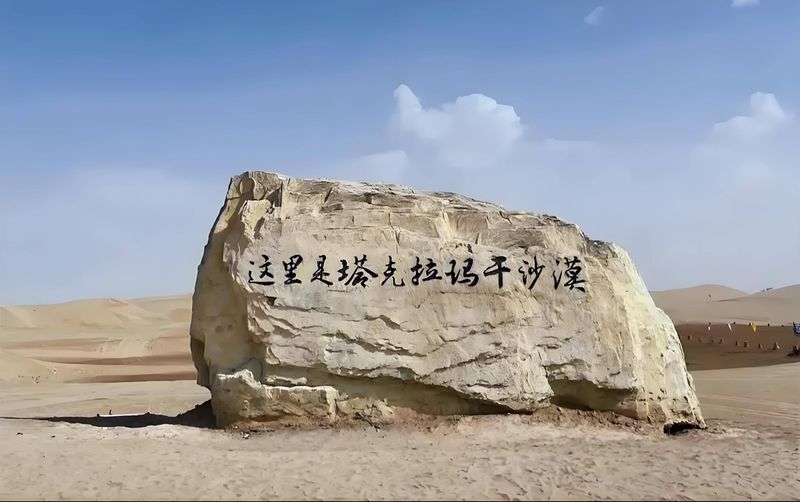
There's a real example of that。
The atacama desert in chile, south america, is the dryest place on earth, dryer than tacramagan。
In previous years, there had been a rare storm that had resulted in the death of 85 per cent of the local microbial population instead of green。
Why
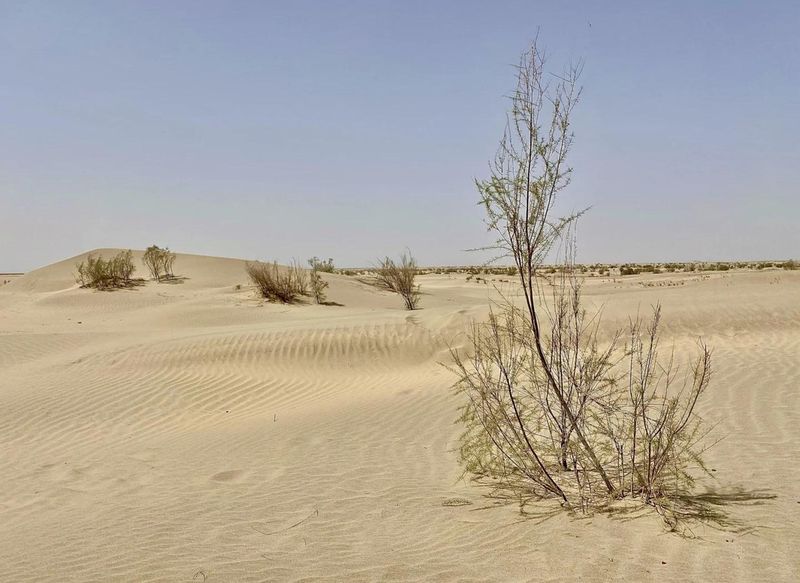
Because the microbes have lived in extremely dry environments for hundreds of years, they have long been able to adapt to the water-free days, and suddenly there is a flood of water, which is not manna for them, but a disaster。
And the desert has its own ecosystem, and drought is its “plant setting” that can be rewrited with more than a few rains。
Much more thought is given to the expectation that several heavy rains will turn takrama into a good field。
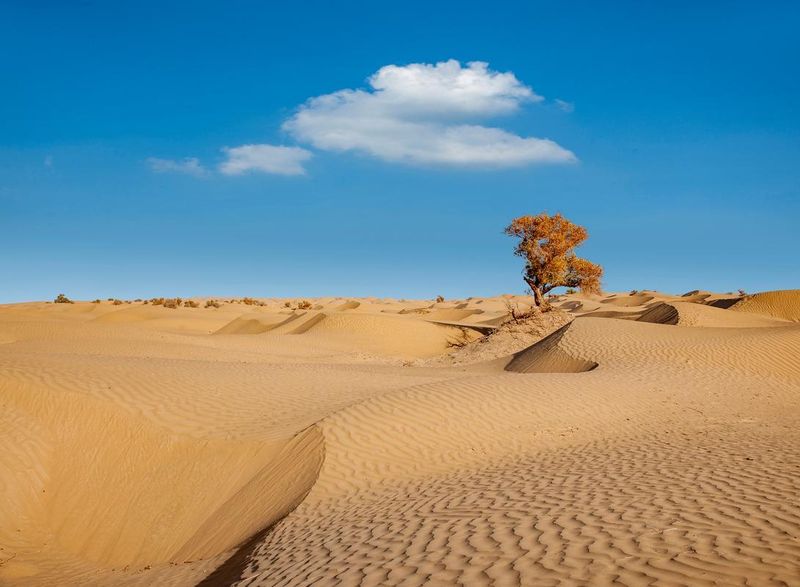
"the earth's end" anxiety
Say the other side。
People panic when they see a desert flood: is the earth sick? Is it dying
It's got to be on two levels。
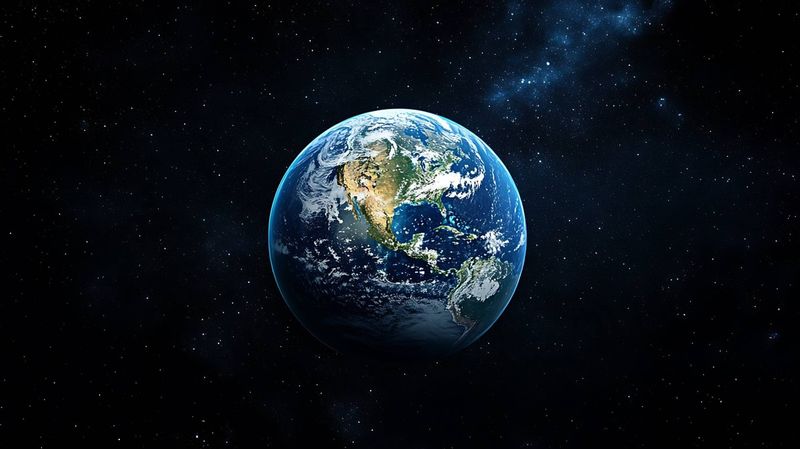
On the first floor, the earth itself is not “sick” nor “sick”。
In its 4. 6 billion-year history, this blue planet has experienced much more intense climate change — glaciers coming back, retreating back and turning the earth around。
The planet does not need to be saved by human beings, who need to be faced with their ability to adapt to a changed environment。
The second level, this flood is indeed linked to human activity。
The average annual temperature in xinjiang has risen by 0. 33°c per decade for nearly 60 years, faster than the national average。
Temperatures are rising, glaciers are becoming fast and the probability of extreme storms is increasing. More than half of the 51 weather stations in south china have recorded the largest daily precipitation since 2000, accounting for about 20 per cent of the total。
It is not a coincidence. It is a logical consequence of the long-term trend of warming。
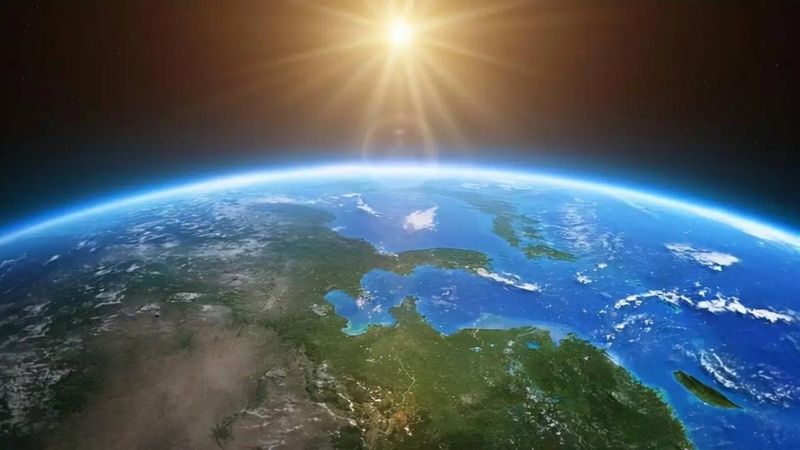
The higher the temperature, the more the atmosphere can “load” the gas, the more frequent and intense the extreme rainfall events。
So the exact term is: it's not earth disease, it's climate systems that are more unstable and “grumpy” under the influence of human activity。
This flood by takrama is a concrete case in this broader context — a signal that reminds us that “climate has affected those places where we believe it is the least likely to happen”。
There is no need for excessive panic, nor can it be completely inappropriate。
The correct attitude is to recognize the existence of the problem and to know that it is getting worse and then what to do。
What is china doing
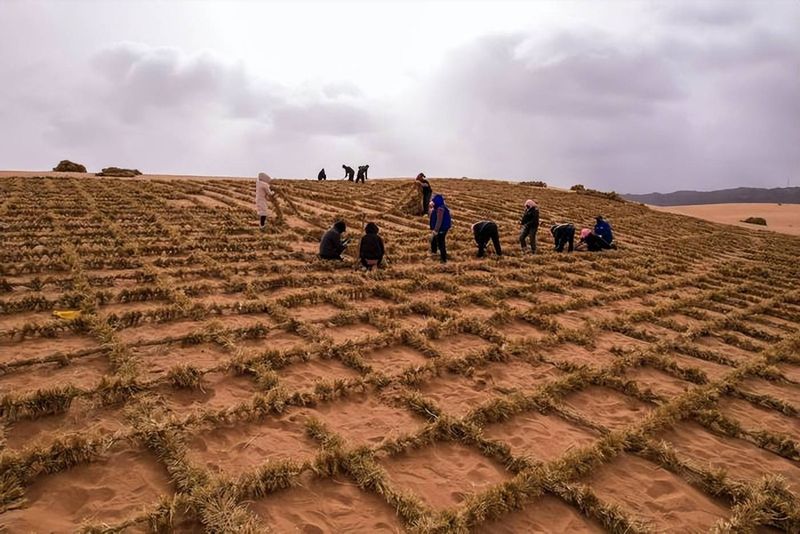
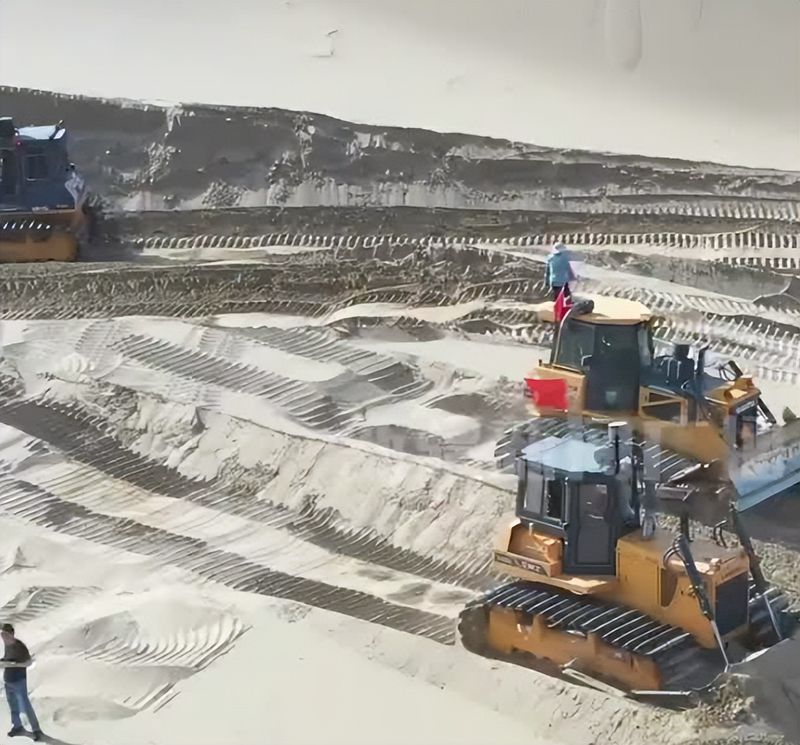
In the face of the increasing trend of extreme weather, china’s approach to combating sand in takrama is pragmatic – not to force the transformation of the original desert, but to manage only those areas that have been degraded by human activities。
In 2024, the green sand-retarding belt, 3046 kilometres long, surrounded by the takrama dry desert, achieved the full line “cologne”。
The project, which began in 1978 with the launch of the “three north” protected forest, lasted for more than four decades and was based on a combination of punches — afforestation, engineering sand fixation, sealing off, and technological means。
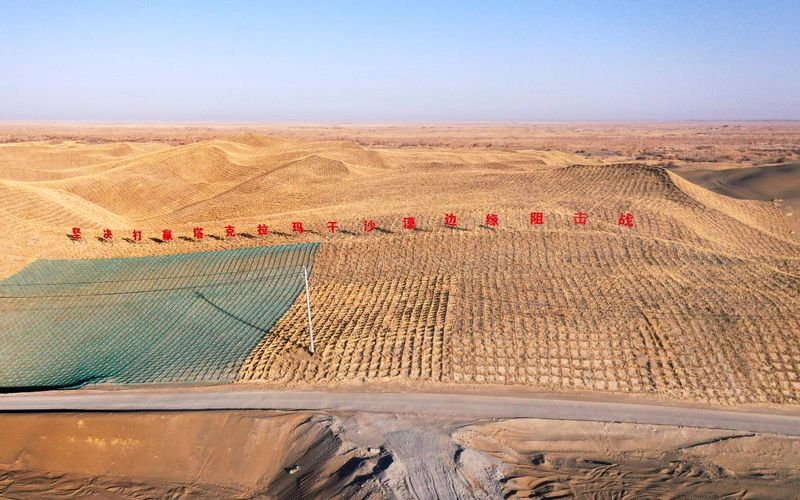
After the protective belts, the width ranged from 110 to 7,500 metres, not to “eliminate the desert”, but to block its expansion towards oasis and settlements。
There's a sobering understanding behind this: the desert is part of the landscape of the earth, and the takramak has existed for millions of years, and it has its raison d'être。
What is really going to be governed is that part of the sand that has been degraded by overgrazing, irrational cultivation and others。
The original desert is just as it is. There's no need to fight it。
There's another interesting angle。
Experts from the water sector in xinjiang mentioned that the floods of the tarimu river were not really bad。
The floods covered the beaches with mud and hu yang seeds, which provided water for the ho yang forest along the coast and helped them to grow naturally。
In arid zones, water has always been a scarce resource, and the key depends on how it is used — well used, and floods can be “for profit”。
Is earth really sick
It's not "sick," but it is。
And this burns, some of which we ordered。
This flood on the edge of the takrama desert is not a "oasis to come" or a "end of day" bell。
It is an ongoing, real and extreme event in the context of climate change。
It reminds us that warming is not a concept far from the sky, but has permeated what we thought was “the least likely to happen”。
Excessive optimism and pessimism are not necessary。
Extreme weather is becoming the norm, and what we need to do is to accept this reality while trying to slow down the pace of climate warming while learning to live with a more “temporal” climate。
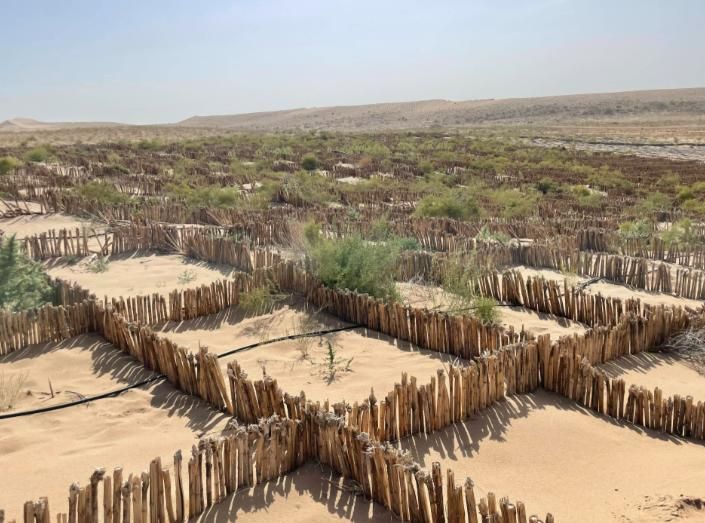
That is the way to cure the sand and to combat climate change — not to fantasize about getting better overnight, nor to feel irreversible. Do whatever you can, step by step。









