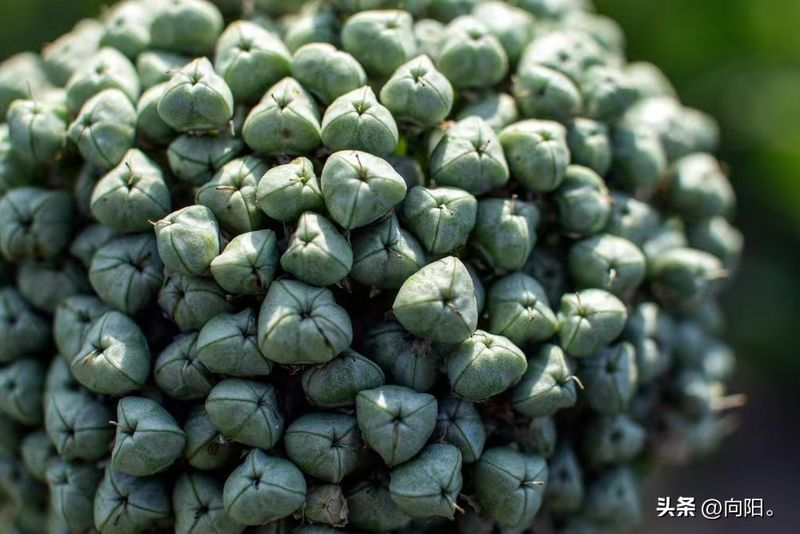
A lot of the people who grow the food speak of onions, and they're in trouble. Either try to keep the seeds down or simply give up and pay for the seeds every year. I've been through this before. I grew onions in the ground for eight years, slowly touching the doorway, and today i'm gonna talk to you about onions。
In fact, onions are not as hard as they could have been, and most people fail to grasp the key steps. There is no need to envy others to keep their own seeds, but with the implementation of the three core points, ordinary farmers and friends who grow their own food can do it successfully and save a sum of the cost of buying them。
I. Select the seed, choose the root and not turn the path
To grow full of qualified seeds, the first step would have to be to match the plant, which is the bottom of the whole seeding process, which is not good enough to be managed in vain. A lot of people are making it easier to pick a few onions in the ground as a plant, which is the easiest place to make mistakes。
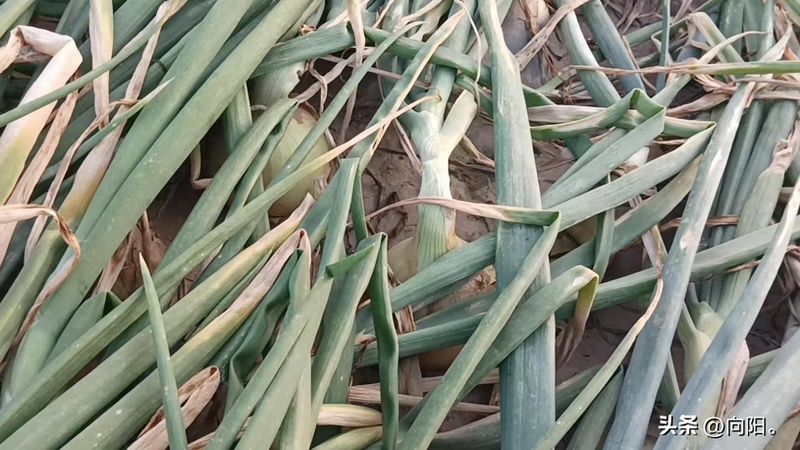
The selection of plants is time-bound and takes place about half a month before the normal onion harvest. It's a time when onions are full-grown, and they're strong and bad. There are a few simple criteria for selection, and you can match them. First, the whole plant, the leaves are thick, strong and strong. The leaves are yellow, soft and inverted, and they are directly excluded。
And then look at the shape and size of the onion itself, and give priority to a head symmetry and shape. Don't choose to grow too big, not a skinny onion. An onion that is too big, the nutrients are all concentrated on the plume, and the late-stage guillotine, seed-bearing capacity is weak; a plant that is too small is itself very poor and does not produce enough seed grains. In addition, onions with fractured skins and crooked skins are not allowed to grow。
There's still a little more to mind, and there's a diseased plant to throw away. The leaves are stained, there are traces of decay, and the roots are chewed by insects, and can't be used even if they look at them. Insects and pests may be attached to the plant, not only affecting the seeds of the year, but also bringing the disease to new ground in the coming year. There are also onions that are drawn early and ageing early, and such plants are planted and the next generation is vulnerable to premature onions that affect normal cultivation。
The selected strains are not to be removed immediately and are marked in situ to avoid being ploughed. During this period of time, normal care will be provided, without additional fertilization, the soil will be kept dry and wet, the emitters will continue to accumulate nutrients and the basis will be laid for the subsequent extraction of flowers。
Ii. Equipment and enforcement shit
The second key to survival is the timely transfer of plants when the temperature is right. It's a big mistake for a lot of the old people to feel like they're here. Field plants are too dense to grow, with poor ventilation and light, and strains prone to fallback, illness and the impact of flowering seeds。
The core principle is simple: once the soil is frozen, the temperature warms up, and the freezing weather is avoided, it is important to complete the planting before the flowers grow. When the flowers grow tall, the roots are vulnerable to injury, the flowers die, and there is no seed。
Planted plots are carefully selected, giving priority to flat, light-footed and drained areas. Onion species are the most afraid of water accumulation during the seeding phase, with low-lying, easy-to-use plots of water, which can easily cause rotten roots and flowers. The soil can be quenched without over-drying, crushing and cleaning up the weeds and roots。
Cultivation must be controlled. It's a taboo to be too dense. Small areas of the home garden are planted, with a distance of about 30 centimetres. Daejeon is sown, 35 cm in line and 30 cm in length. Sufficient space is available for each plant to tan to the sun, and field air flows can reduce many diseases. Planting deep and peaceful onions is consistent, so that the plume is buried in the soil, so that the leaves are not overstretched, so that the wind is down。
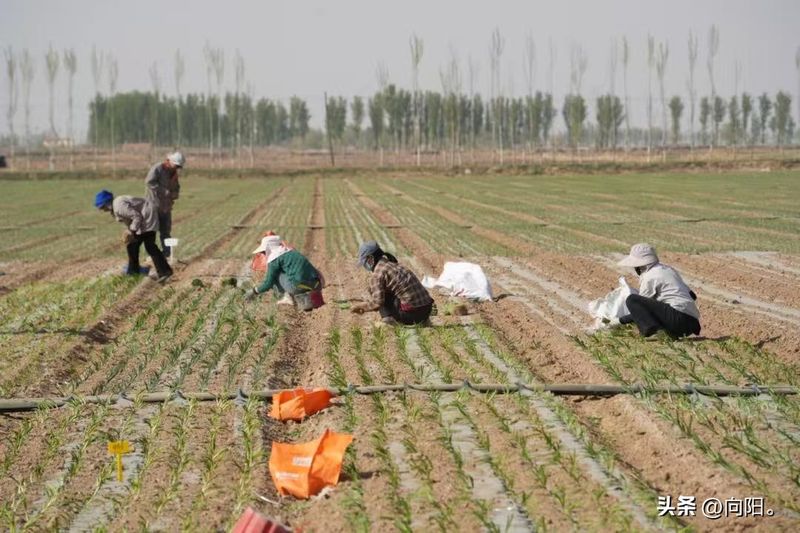
When the plant is finished, the water is fixed and poured over, but no heavy water. A week after the transplantation is a slow seeding period, the soil is dried up with a small amount of water and the soil is moist. No fertilisation during the slow-planting phase, until the blades are re-established and the plants are re-emerged before day-to-day management。
It is also recalled that the remaining plots are to be separated from other species of onions to prevent onions from being mixed. The quality of the seeds will decline once the powder is rounded, the onions will grow in disarray, the taste and the strength will be affected。
Iii. Water resources, sustainable pill
The selection of seeds, the completion of the planting process and, lastly, the care of pre-facing, flowering and seeding periods, determine directly the quality and quantity of seeds, so that the harvest can be achieved with patience。
Plants grow slowly after they are alive, and the plants consume more nutrients at this stage. Small quantities of manure can be applied to mature farmers, insisting on hard work. Remember not to use nitrogen fat alone, too much nitrogen fat, the flowers grow tall, the wind falls, and the flowers fall early. Fertilizers are combined with water to keep the plant stable and the flowers strong。
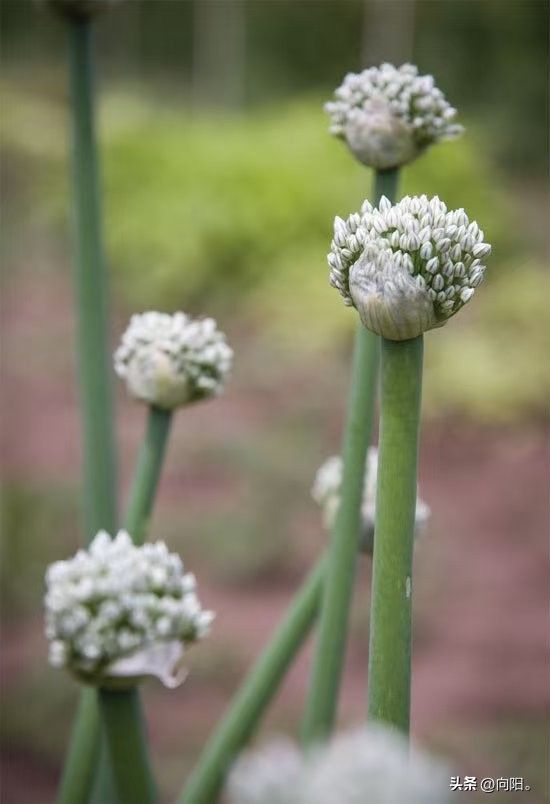
During the day, weeds grow in time to be pulled, and weeds compete for nutrients and cover the sun. Anomalous conditions were observed in the leaves and flowers, and the strain was removed immediately to avoid spreading. Most common problems can be effectively prevented as long as field ventilation is in place。
After the flowering period, special attention is paid to water management. Soils cannot be too dry, water shortages can lead to early loss of flowers, poor pollination and less seedlings, nor can they accumulate water, in consecutive rainy days, and in the first place drain drains. Onions are naturally pollinated by insects in the field, and the flowering season is as low as possible, otherwise it affects insect activity and reduces pollination effects。
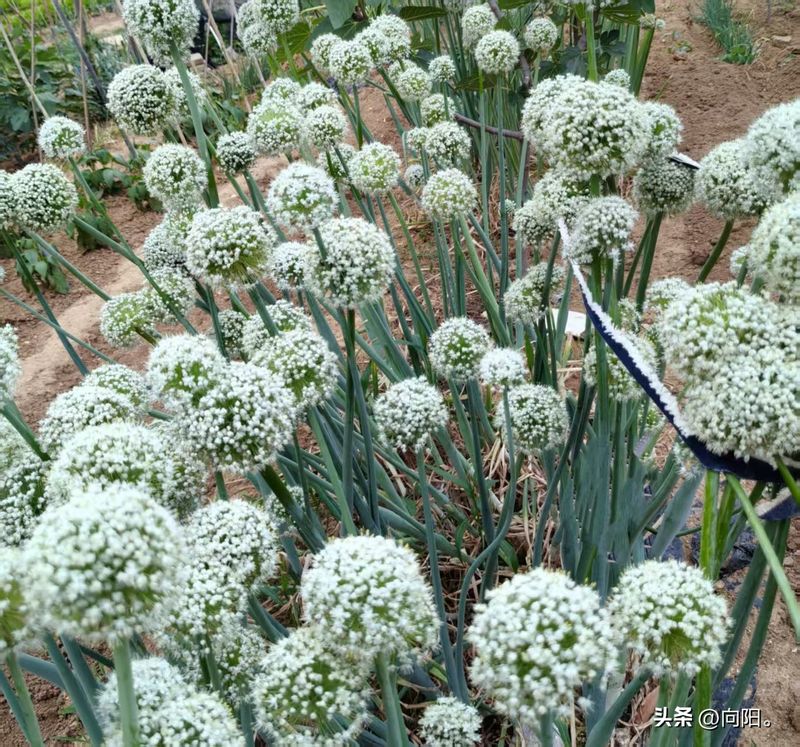
More attention should be paid to weather events, and large flowers can easily be blown. The inverted bouquets are attached to the ground, and the florist is perishable. If the area under cultivation is large, it can be easily supported by poles and ropes, which are not too complex to hold the plant。
After the flower has collapsed, the seed matures and the management is adjusted. Gradually less watering, soil is most suitable for drying up, and excessive moisture slows the growth of seeds and tends to grow. At this stage, all fertilization is stopped, and the cultivation of green and green is prevented。
When the florist turns from green to yellow, the seed grain becomes hard, the color blacks out, the seed matures. The timing of harvests should be well managed, with the early harvest of the seed grains not full and the gestation rate low; the harvest too late splits and the seed grains fall off, causing losses. When harvesting, the whole florist is cut off and placed in the dryness of the cool air, it must not be tanned in the sun, and strong light can damage seeds and affect seed production in the coming years。
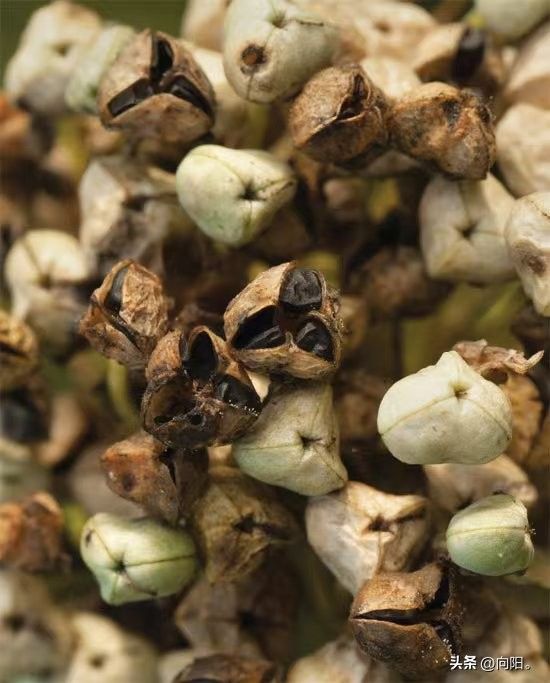
When the florist is completely dried, it is then removed and all seed, broken leaves and impurities are screened. Processed seeds are stored in air-traffic bags or canisters, stored in cold and dry rooms, marked to avoid confusion with other seeds, and can be stored in the next year without any problem。
In the light of my eight years of planting experience, it will be easier to sum up some of the mistakes i've been making and avoid them。
First, don't use onions stored for too long. Long stockpiles of onions, which consume more nutrients and become less active, can affect the seedlings, as much as possible, by selecting onions for fresh harvest periods。
Second, don't be a fan. Thinking of more than a few seeds, it will cause disease and loss, and it will be right to grow rationally。
Thirdly, seed treatment is a taboo throughout the process. These two things are not good. Seeds can easily be molded and invalidated。
Fourthly, if conditions so permit, the fields will rotate annually. Cultivation takes place on the same soil year after year, and the accumulation of bacteria and eggs in the soil increases the vulnerability of strains to disease。
Summary
In general, the core of onion seeding is three points: the selection of a strong plant, the rational transfer of plant-controlled density, and the precision of plant seedage. Step by step, it is not difficult to keep her own seed and can save the cost of buying seeds for a long time。
Make a good note of it: selecting a strong plant, planting it thin, running water inverted seasons, planting seed。