


The national training course on green production and cultivation of eating baccalaurea was held in poo-chicken, shaanxi province, and was conducted by li jin-rae, associate professor, northwestern university of agroforestry, and baik chun-ming, managing director, agricultural planning science institute, agricultural university of china. Representatives from 24 provinces attended the training。
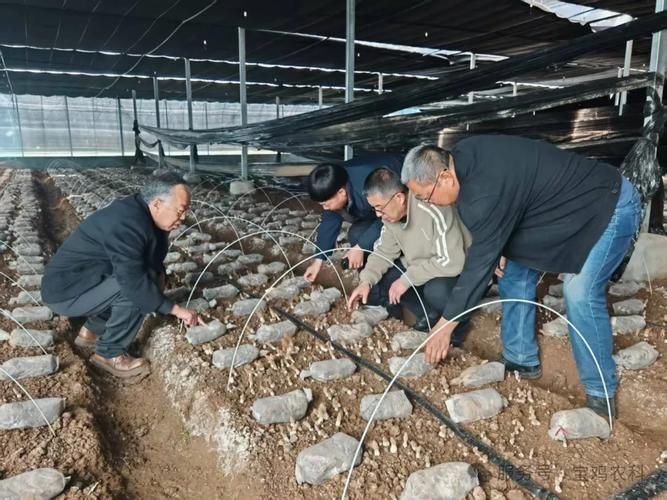
The two-day training was organized by the national centre for agricultural technology extension services, in collaboration with the horticultural sansang work station in shaanxi province and the agriculture department of poo chi city. The course was divided into a live presentation and an expert lecture. During the training sessions, delegates came to the hongchein agricultural and livestock limited company in the county of xiu, the mushroom cultivation base in the county of zhuang guangxi, the state company for human bacillus industry, inc., and the modern agricultural park in the province of shaanxi, to observe in situ, to listen carefully to the presentations and to feel deeply at the current state of the production of fungi in the city of poo-chicken, which has resulted in the exchange of lessons and the transmission of treasures。
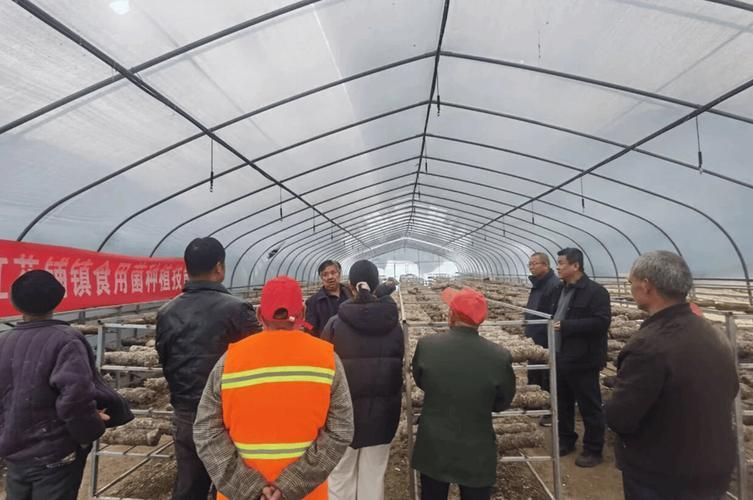
During the course of the expert lectures, li jin-ray and baik chun-ming gave lectures on the theme " green development and critical planting techniques for eating fungi " and " integrated development and planning of cultural parks for eating fungi in rural areas " . Delegates carefully studied and expressed the view that the course was organized in an orderly, informative, practical and effective manner and provided a good development platform for the professional growth of the educative talent. Practical technical exchanges were also conducted。
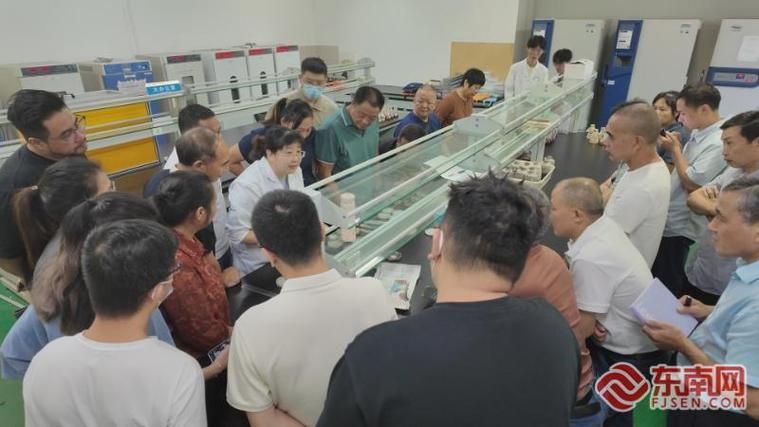
The head of the cash-crop technology section of the national centre for agrotechnology told journalists that the training had been very helpful in promoting green production and improving the quality and safety of food bacteria throughout the country, and it was hoped that the students would apply the technology they had learned to future production in a way that would lead to greater growth in the green production of food bacteria and real business efficiency and increased income for farmers。









