


Capricorn for potato cultivation
Summary: historical review, main issues, cultivation techniques
I. Review of recent potato production
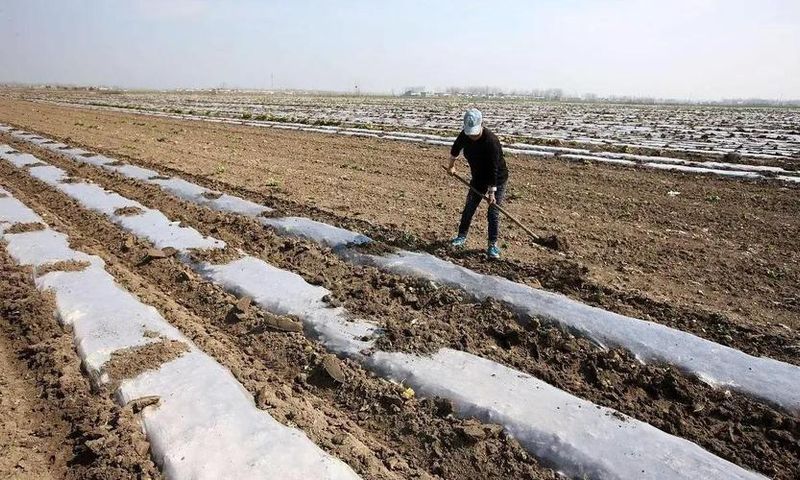
History is intended to draw lessons, focus and guide the future. Duplicate potato cultivation has the effect of saving water, reversing it and increasing income. However, there is a problem of high inter-annual fluctuations in the level of single production and the scale of cultivation, which is analysed as the root cause of high temperatures and droughts in the atmosphere during fertility. High temperatures and atmospheric droughts strongly constrain the normal effects of a variety of planting measures, leading directly to the reduction and deformation of potatoes, thus affecting the area under cultivation the following year. The situation in 2002 and 2006 is typical. Therefore, addressing the effects of the high-temperature drought is an important task in ensuring that my county's membranes are robust and productive。
Ii. Major problems in current production and responses
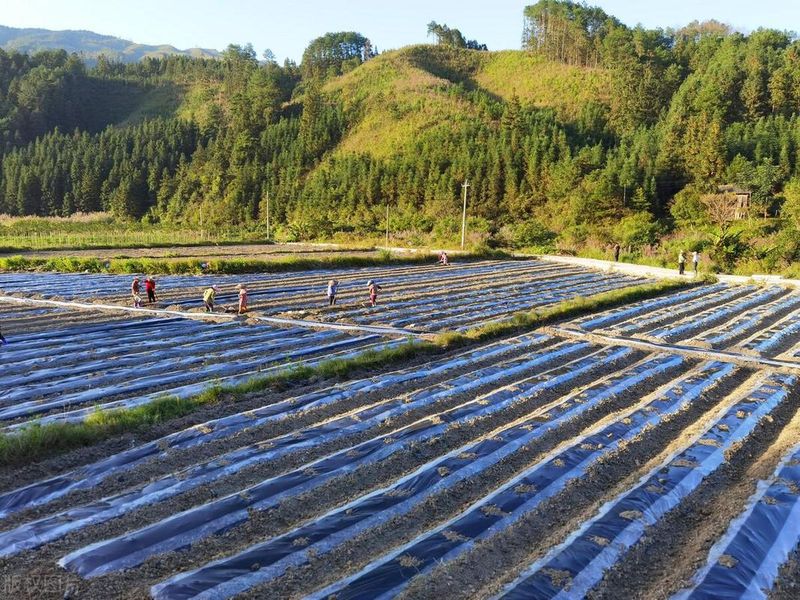
1. Potato disease. Potatoes in my county come mainly from the north side of the country, which is characterized by a variety of disorders, irregular production of potatoes, serious problems with the cultivation of potatoes and diseases such as viral diseases, late disease, scabies, scabies, deadness and morbid diseases. The proposed preventive, anti-pathological and curative response is to focus on the choice of detoxification potato, with the application of recipes for fertilisation, cassava seeding, immersion of whole potato combinations, spraying of potassium permanganate after cutting, and antiseptic use during childbirth。
General shortages of soil manganese and zinc nutrients. According to the results of the second national soil survey, my county has 98 per cent and 92 per cent, respectively, of manganese and zinc deficiency, which are at the top of various nutrients and are indeed the smallest nutrients, together with potatoes, which are sensitive crops of manganese, so increased manganese and zinc fertilizer are an important component of my county potato formulation techniques。
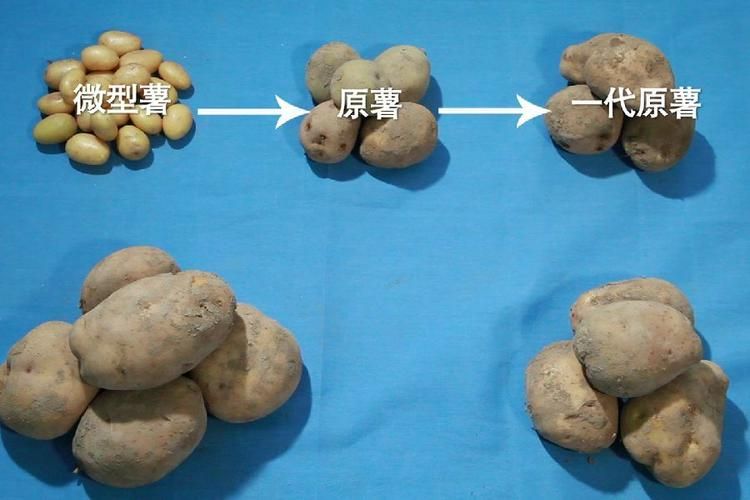
3. Inadequate irrigation and flooding. The shortage of water before and after the current period is one of the reasons for the decrease in the number of potato tubers in my county, and the prolonged atmospheric drought during the swelling period is usually accompanied by high-temperature stress, leading to potato malformations and reduced yields. As water recharge time is largely an uncontrolled planting factor in the landscape, a range of water conservation and cooling and drought control measures are indispensable tools for addressing drought. Among the measures that can be taken are: deep pine soil in water ditches, black membrane cover, and timely sub-painting. Inundation is caused by watering habits and land scarcity, while drought is the main cause of flooding. According to our 2005 survey, the current level of inundation amounts to about 60 per cent of the seeding area, and the earlier the inundation, the greater the hazard, generally resulting in a reduction of 500 to 900 kg/acre. The reduction was due to the inundation of the soil, which resulted in soil sheeting, resulting in a lack of oxygen. Inundation is a production reduction factor at the expense of increased input costs. The strategy to address flooding is non-inundation and inundation, which is addressed through improved water irrigation techniques (employable irrigation and field watering techniques), soil management techniques (restling, less cultivation, pre-drying), and autumn fertilization techniques (autumn fertilizers, phosphorus fertilizer mixing). The simple and easy water-filling technique of “high and low” is worth widespread application。









