Origin of species
Swordland is named five because it looks like a sword。
As early as the early 17th century, when swordland was still living in the middle of the african cape of good hope, only a flower-loving nobility wife had been able to cultivate her garden home。
In 1807, the british missionary, william herbert, mixed 11 wild swords with the episcopal gardens, producing three colourful new varieties. Subsequently, it gradually spread to the countries of europe and the united states。
In guangdong canton, china, 6 were introduced in the early 1960s。
Form characteristics
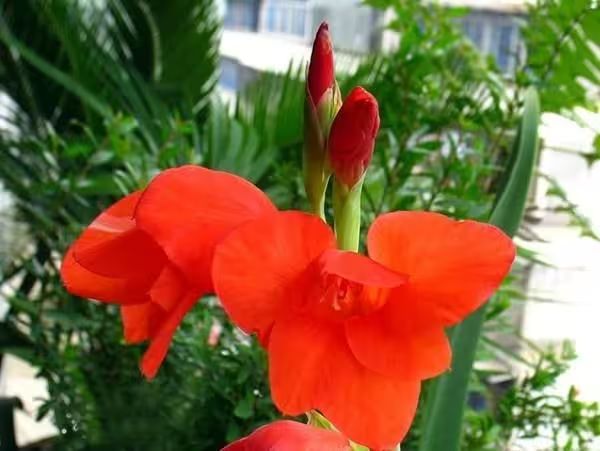
Tang yi
Years of grass. A plume with a diameter of 2. 5-4. 5 cm and an outsourced tan or yellow membrane package with 3 cm. Yekiss or neutrons, sword shape, 40-60 cm length, 2-4 cm width, foundational snail form, tipping at the top, embedding in two rows, grey green, with several arteries and a distinct and prominent middle artery 7。
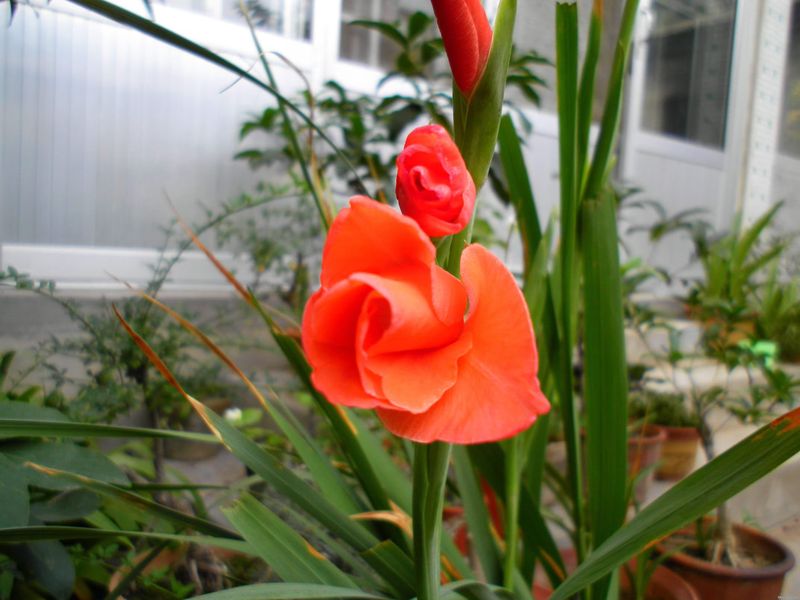
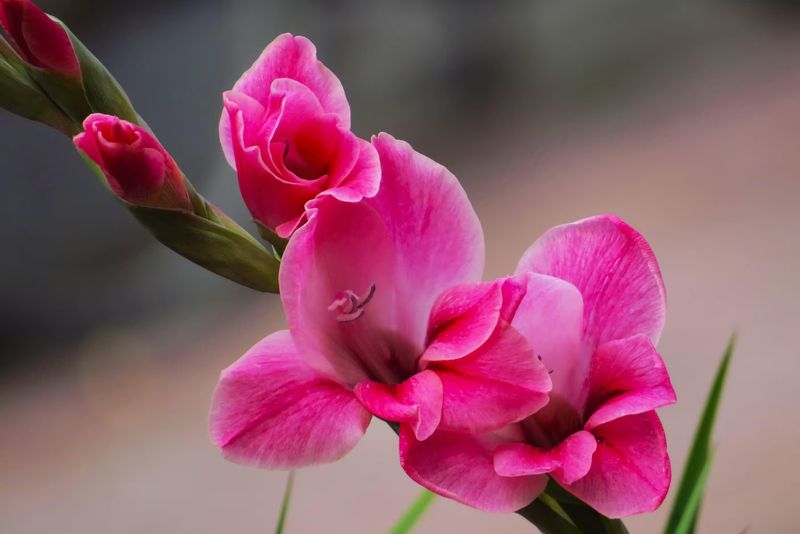
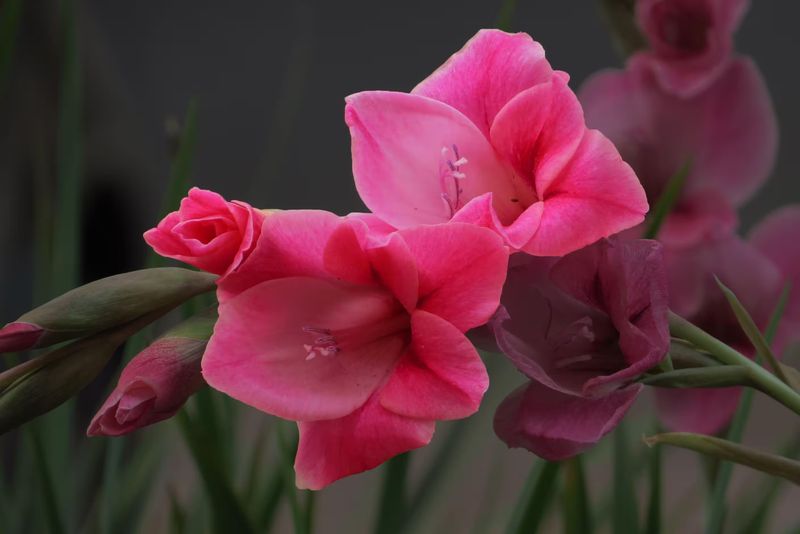
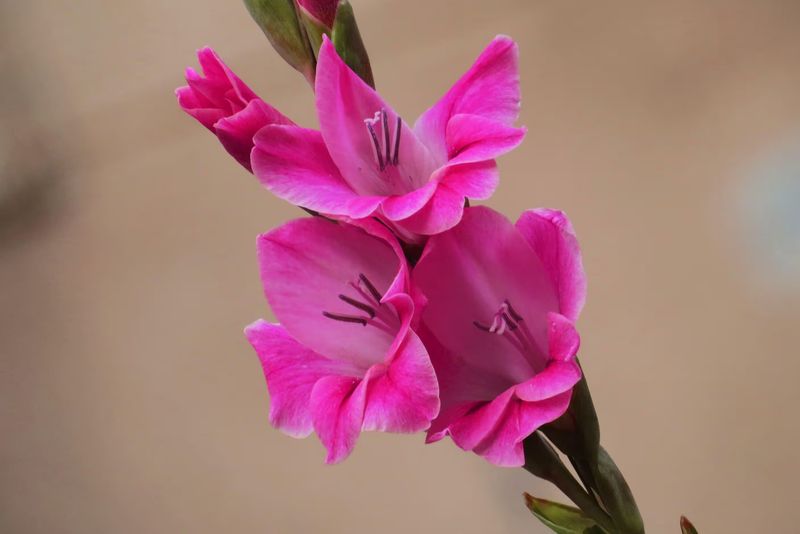
Straight, 50-80 cm tall, with several reciprocal leaves in the lower part of the bud; scorpion tail monogamy umbrella. The bouquet is 25-35 cm long, each with a pellets 2 and a membrane, yellow green, egg shape or wide cape, 4-5 cm long, 1. 8-3 cm wide and visible in the middle; no figs; the bouquets are single-sided, symmetrical, red, yellow, white or pink, with a diameter of 6-8 cm; the bouquets are approximately 2. 5 cm long, the base bends, the flowers are fractured 6, 2 rounds, the bouquets of the inner or outer wheel are all chords or elipses, the bouquets are slightly larger (the bouquets are split 2, the bouquets of the inner bouquet 1), the bouquets are particularly wide, and the top of the pellets are bent into hems; the pelts of the top of the hulls are roughly 6 cms, the top of the pelts are particularly wide, and hemiculars are folded; the crots of the hemium, the boulls, most of the。
An elliptical or re-embroided cylindrical form with a broken back when ripe; the seed is flat and has wings. Duration july-september, fruit 8 october。
Growing habits
Growth mechanisms
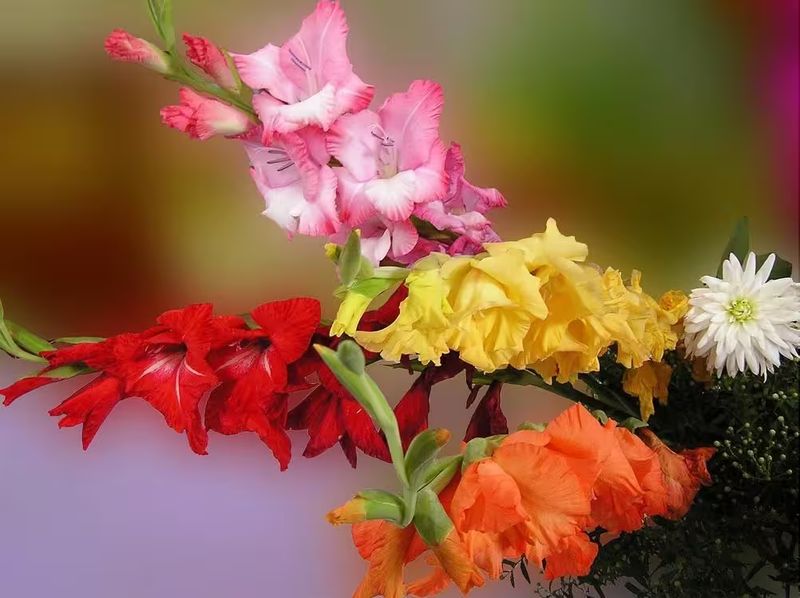
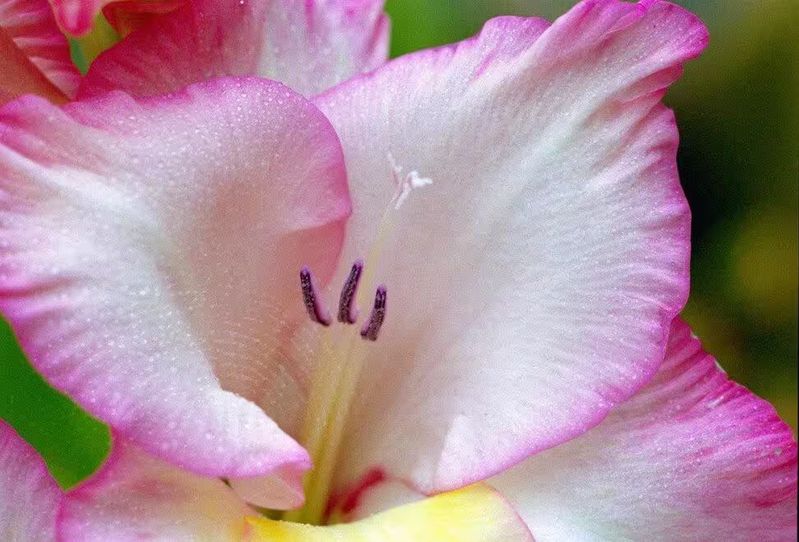
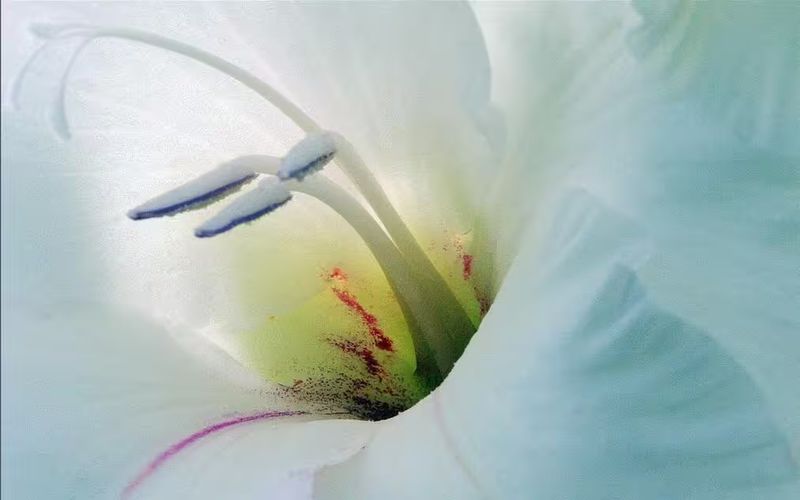
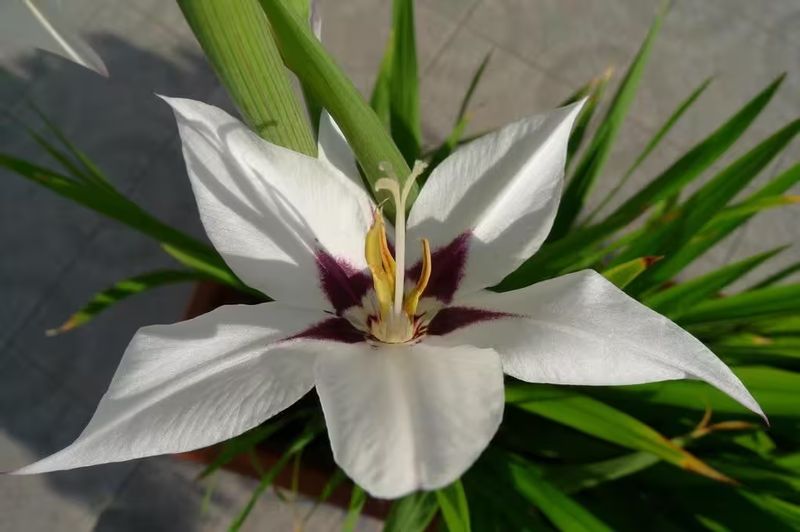
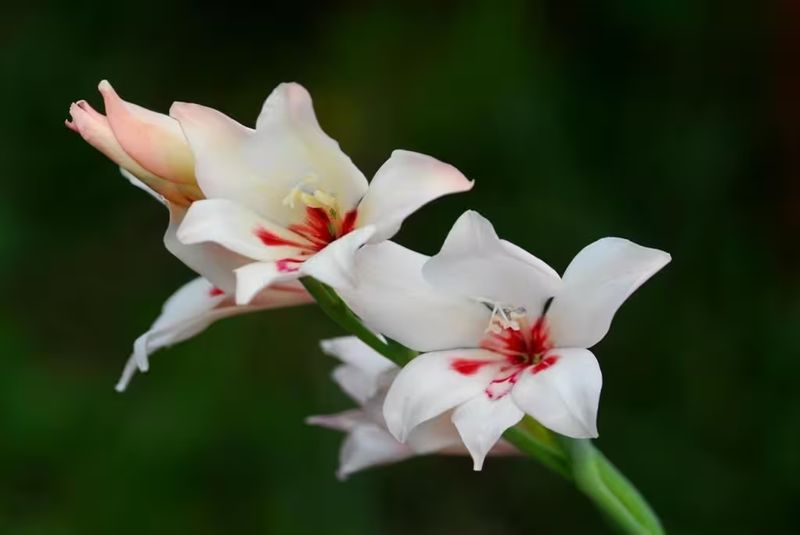
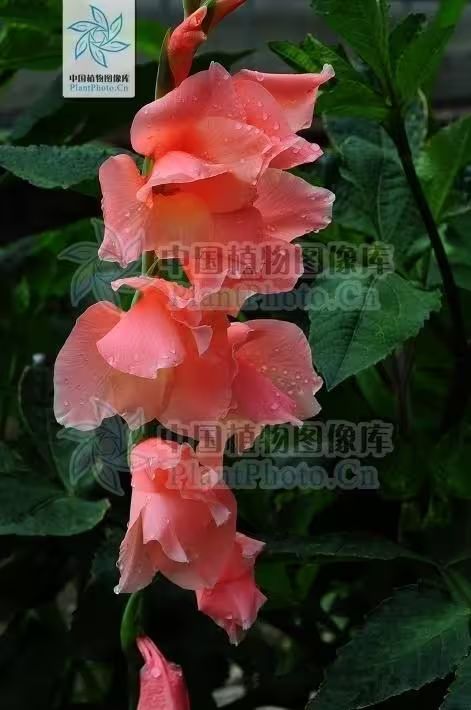
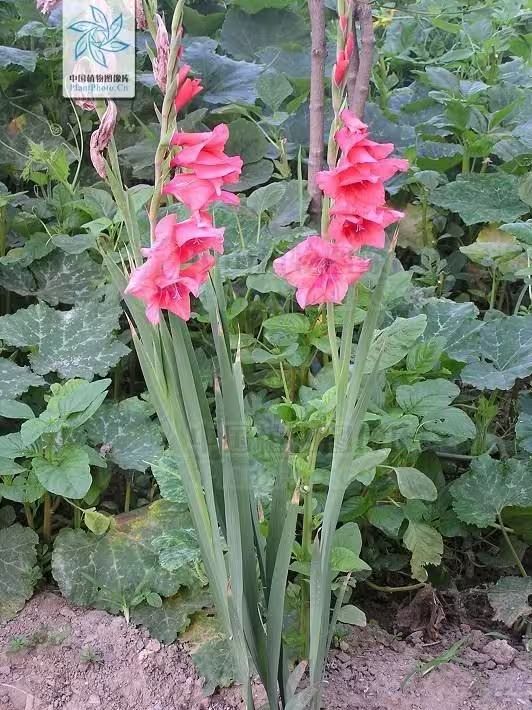
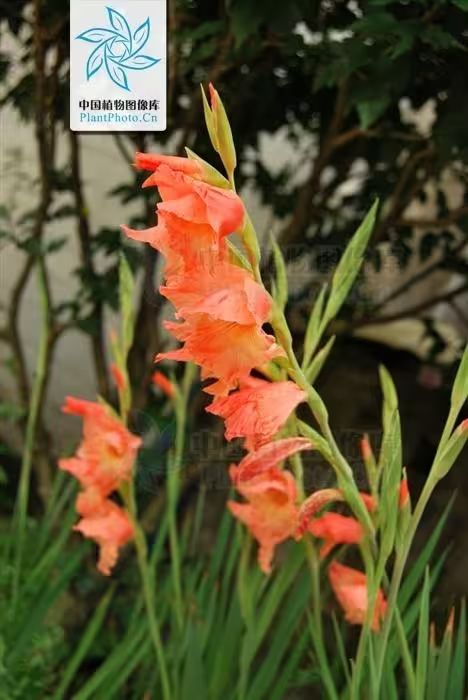
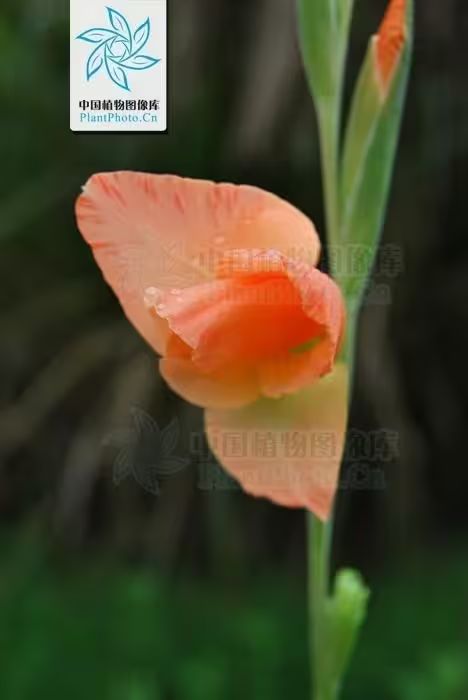
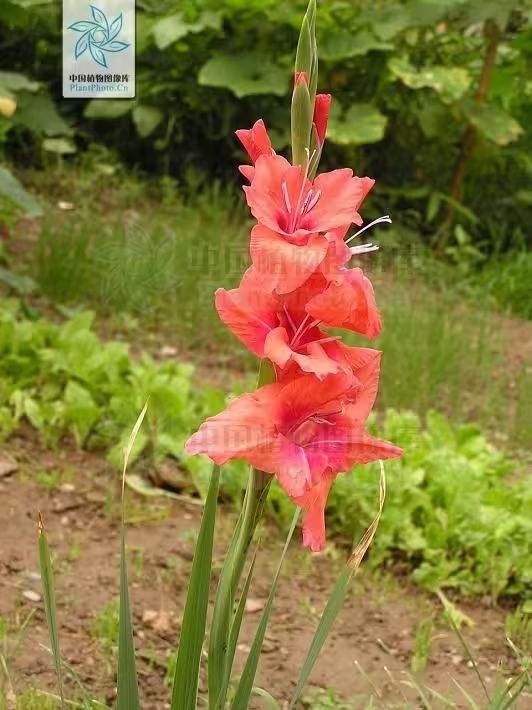
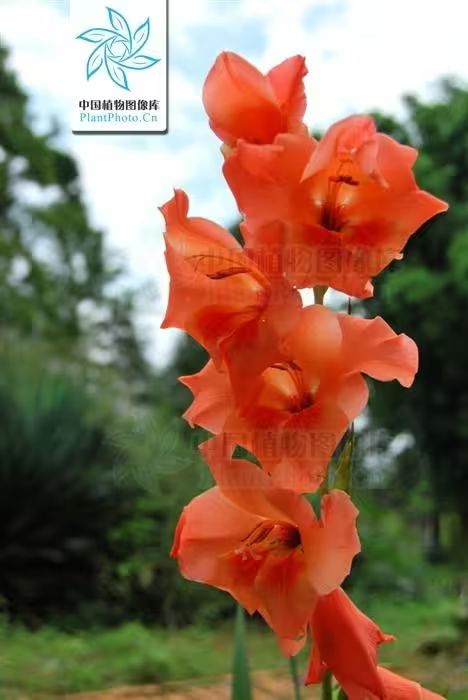
Tang zhen is a warm plant, but it is too hot for growth, is too cold, is at 20 °c ~ 25 °c, and the tubers are lumbering at above 5 °c. It is a typical long-sun-ray plant, with long-sun-rays helping to divide flowers, and short-lights reducing the number of flowers, but short-sun-rays facilitating the formation and early flowering of buds after they divide. The roots of summer flowers must be stored indoors for winter and at no lower temperatures than 0°c。
Cultivated soils are suitable for fertile sandy border soil with a ph value of not more than 7; especially fertilizers, phosphorus fertilizers improve the quality of flowers, and potassium fertilizers contribute to the quality of tubers and the number of balls。
Growing environment
From southern africa, the original species of the country are grown in china in nanjing, hangzhou, fujian and guandong, as well as in the countries of europe and the united states. Swordland is warm and full of sunlight, with the best 9 growing in fertile, micro-acid sand soils。
Distribution