


A bottle of coke doesn't sell for any more than 90 cents, and the global beverage giant coca-cola is being chased by indian brands. Many do not know that this is not the first time that it has suffered losses, and that it has been in a very awkward position in india for 70 years after an out-of-country, public opinion and supply chain crisis。
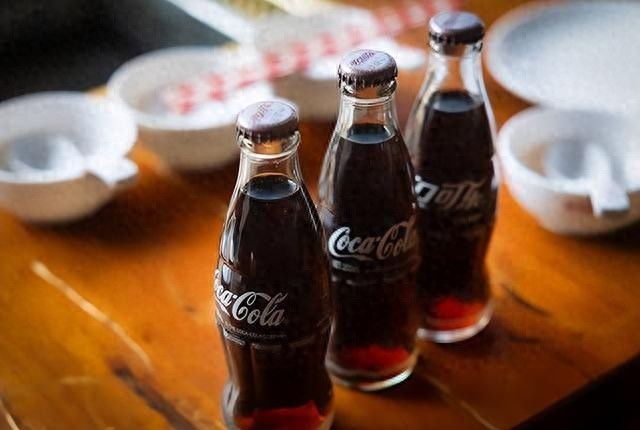
As early as 1977, coca-cola was thrown out of india's market. At that time, india had enacted regulations requiring foreign enterprises to hold less than 40 per cent of their shares, and, more forcefully, to impose a requirement on coca-cola to hand over a secret concentrate formula. Equity concessions are still negotiable, but the formula is the foundation for the survival of the enterprise, and coca-cola categorically rejects it. Following the breakdown of the negotiations, coca-cola was forced to evacuate india for 16 years and a group of foreign companies such as ibm also left the same period. India tried to get a domestic soda, but local firms unfortunately failed to make the market work。
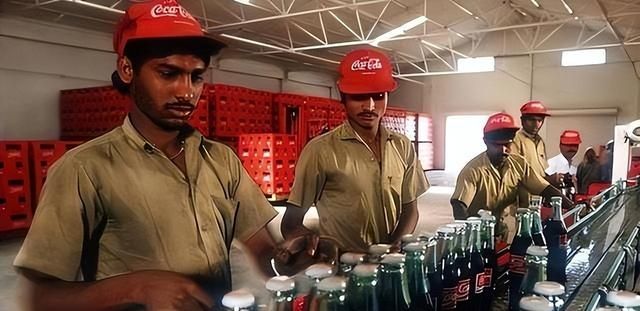
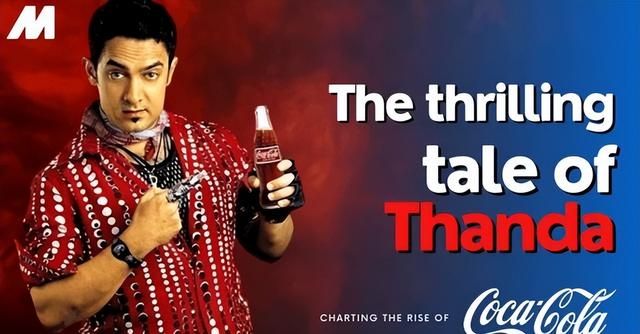
In 1991, india's foreign exchange reserves were sorely high that it had to liberalize its foreign investment threshold in order to obtain assistance from international agencies. In 1993, coca-cola seized the opportunity to return to india, and this time it learned to buy a local national soda brand directly, with disguised cost-effective products taking over the market. Until today, the acquired brand sales were even higher than the original coca-cola。
It's been a while since we've had a steady day. An environmental agency in india reported that pesticide residues of coca-cola beverages exceeded the standard. The news spread that public opinion had exploded and sales had fallen directly by 11 per cent during the season. Even if the enterprises self-incriminating themselves with the results of a review by an international agency, the negative impact has been felt. The incident also gave coca-cola an alarm and then worked in india, where core technology-related cooperation was avoided as much as possible。
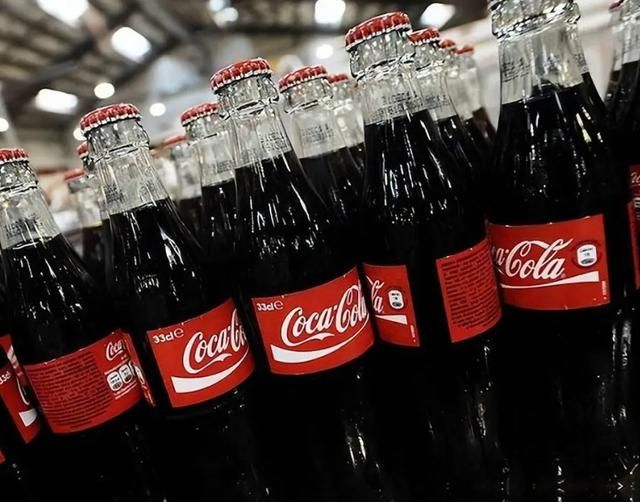
The time has come in recent years and the troubles continue. The volatile situation in the middle east has hampered shipping in the strait of hormuz, shortages of aluminium raw materials and the direct interruption of the diet coke aluminium tank. Coca-cola can only be replaced with larger packagings, and the product will increase prices。
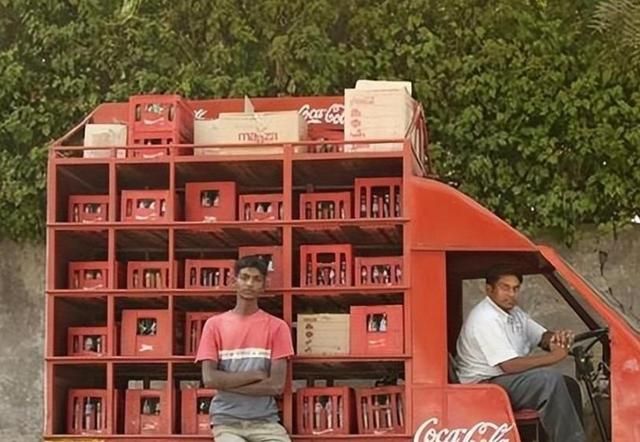
At the same time, local rivals have emerged. In 2022, the group acquired the old compa cola, and in 2023 it was re-listed at a low price. In the first three quarters of 2025, campa cola joined another indigenous brand, with market shares directly approaching 15 per cent. Coca-cola and pepsi held markets for many years, with shares falling from 93 per cent to 85 per cent, and local firms threatened to take a quarter of the markets in three years。
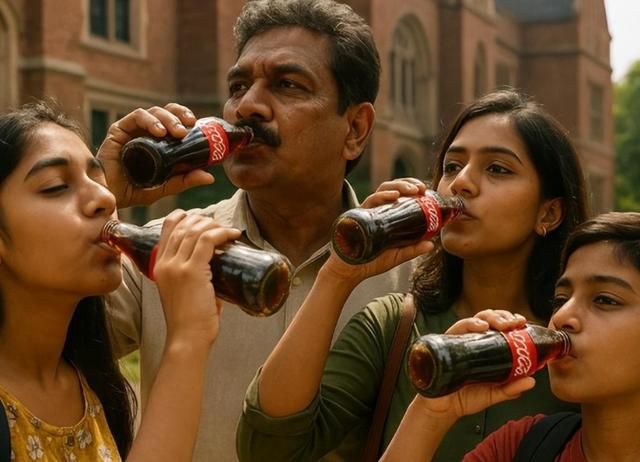
Coca-cola has been reluctant to leave despite repeated setbacks. The huge consumer market for the billions of people is in sight and the temptation is far too great. It also revealed to us that policy instruments such as “diplomacy finance” are short-term games. It is a stable, rule-based business environment and a volatile policy that can truly retain businesses that can ultimately undermine the confidence of foreign investors. (full 721 words)









