


Cannabis, as a long-standing plant, is cultivated in a rich exploration of agriculture and horticulture. However, it needs to be made clear that, in our country, drugs in any form are strictly prohibited, including cannabis. Thus, when reference is made to “ethics of cannabis cultivation”, we should limit its discussion to licit, non-drug uses, such as industrial cannabis cultivation。
Industrial cannabis refers to cannabis varieties containing less than 0. 3 per cent thc (tetrahydrocannabinol), which is used mainly in textiles, paper, food, medicine, etc. The following are some general descriptions of industrial cannabis cultivation techniques:
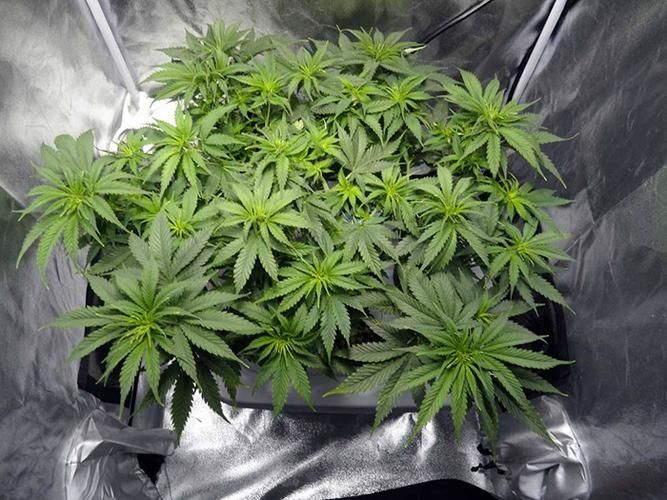
1. ** soil selection**: industrial cannabis prefers to grow in neutral to micro-alkalin soils, which contribute to the healthy growth of plants. Acidic soils should be avoided when selecting cultivation sites, so as not to affect the growth and production of cannabis. At the same time, a reasonable rotation system is an important measure to ensure soil fertility and to reduce pests and diseases。
2. ** seeding and seedling**: before seeding, the land needs to be cultivated deep enough to produce base fattening to ensure sufficient nutrient supply of seeds. Owing to the small size of cannabis seeds and the weak capacity of arches, seeding should not be too deep to affect the rate of seedling. During the nursery stage, special attention is given to temperature and humidity control to provide suitable growth environments for seedlings。
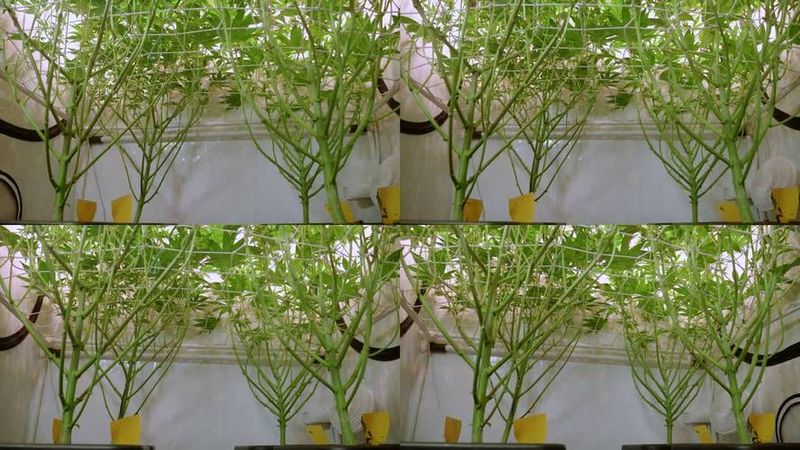
3. ** field management**: during cannabis growth, there is a need for regular field management such as weeding, fertilization and watering. Weeding can reduce the competition between weed and cannabis for nutrients and light, while fertilization can provide the nutrients needed to plant plants and promote their healthy growth. At the same time, the water is humid but not watered according to weather and soil conditions。
4. **pest management**: cannabis may be exposed to various pests during its growth. In order to guarantee the health and productivity of the plant, periodic inspections and appropriate preventive measures are required. This includes the use of environmental methods such as biological pesticides and physical control to reduce the environmental and human health impacts of the use of chemical pesticides。
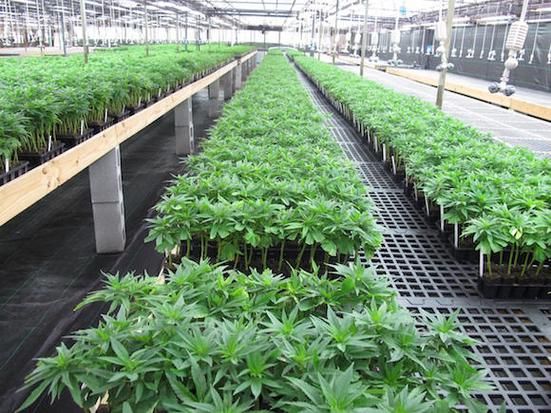
5. ** harvesting and processing**: cannabis plants can be harvested when they reach maturity. Post-harvest cannabis can be further processed as required, such as the extraction of cbd (cannabinol), the manufacture of textiles or food。
It should be noted that the above is a general description of industrial cannabis cultivation techniques and does not involve any illegal activities. In my country, any activity involving the cultivation, processing and trafficking of drugs is strictly prohibited and is subject to severe legal sanctions. Thus, when exploring cannabis cultivation technologies, we must be clear about their legitimacy and compliance and firmly reject any form of drug behaviour。









