


With the scientific development of our food structure, the potato has become the fifth-largest food staple of our nation, and its important role has occupied an important place in the daily lives and diet of people. Potatoes, as a herbivorous tuber crop, are often more visible during day-to-day cultivation owing to the effects of some external environments. Thus, as the country's science and technology continue to evolve and change, so does the technology for the cultivation of potatoes, which requires further precision management in order to achieve high productivity。

Growing habits
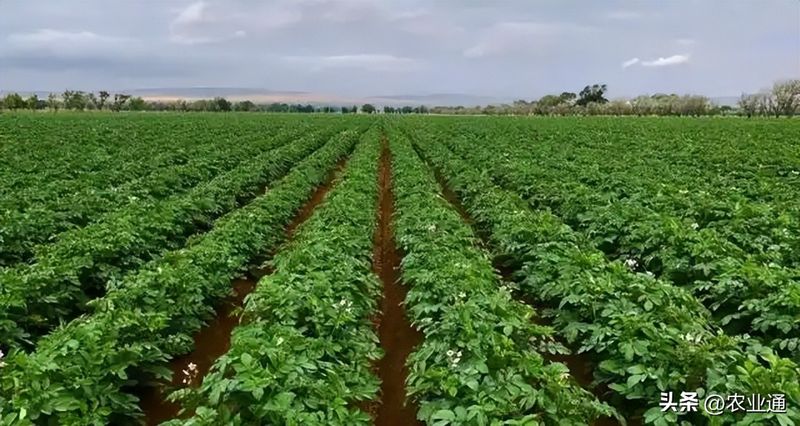
Potatoes are suitable for growth in sandy soil, light sandy soil, light border soil or land with more than 1. 2 per cent organic matter at around 5. 8 ph, and deep, thick soil fields above 30 cm are more conducive to the growth of potatoes; potatoes are a crop with a low temperature of 17-21 °c, with varying temperature requirements at different stages of growth; they are long-light plants with suitable light time of 11-13 h contributing to the improvement of the quality and production of potatoes; potatoes are more water-intensive crops, with about 100-150 kg of water for each production of 1kg fresh tubers, and soil moisture at 65-75 per cent is more conducive to their growth and development。
Potato processing
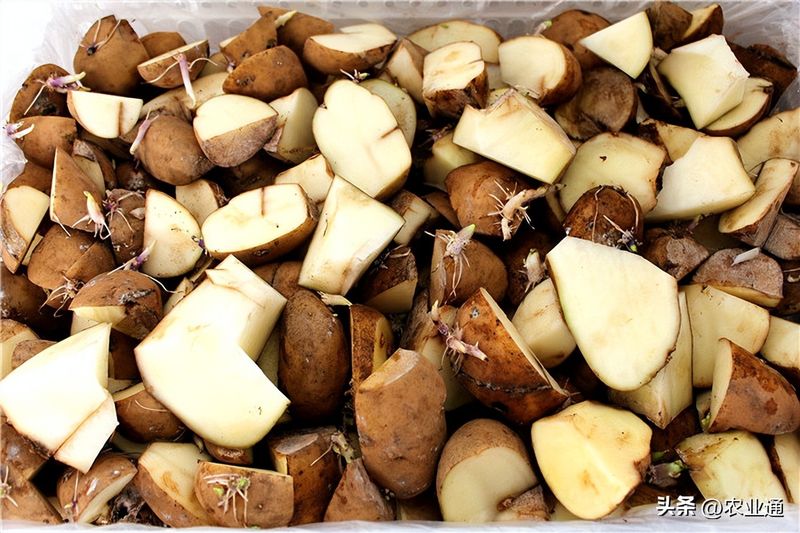
Choosing good-looking, smooth surface, disease-free seeding. After having been impregnated for a period of 10-15 minutes with 0. 5-1 ppm accumulin or 0. 1-0. 2 per cent potassium permanganate or 20 minutes with 2 per cent sulphate, the seeding has been bulged for 10 days at a constant level of 3-4 floors, 20°c and a stable humidity of 80-90 per cent. Depending on the actual growth of the potato embryo and the size of the seeding, it should be cut into three to five pieces, each of which should have one to two solid embryos, the weight of which must be more than 15 grams; and finally, the cut potatoes should be placed in the sun so that the potatoes can tan their surfaces so that they can be stored and effectively avoid the risk of decomposition after planting。
All over the place
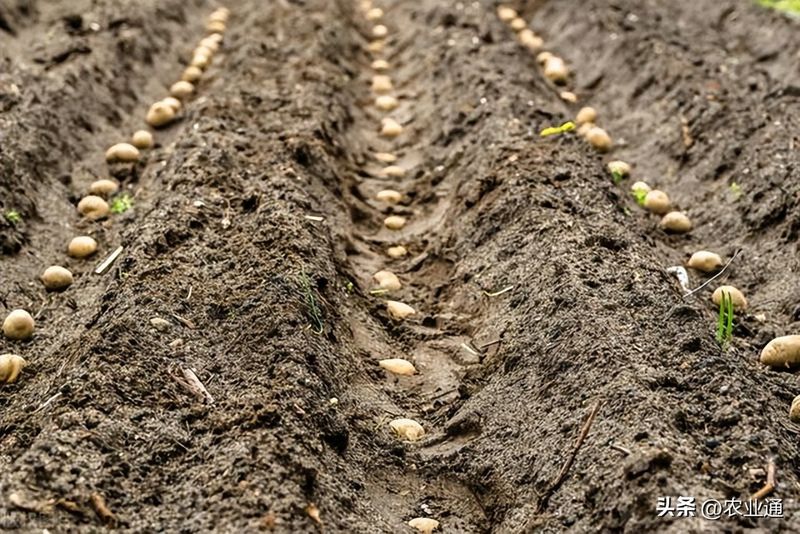
The potato-planted plots must be ploughed with a depth of 30 cm or more after the fall harvest, together with a deep acre application of 2500 - 3000 kg of corroded organic fertilizer + 10 - 12 kg of nitrogen fertilizer + 25 - 30 kg of perphosphate or phosphate + 150 kg of grass-wood ash or 15 - 20 kg of potassium, evenly mixed with soil, and lastd in the soil at about 10 - 15 cm below the ground surface, at 60 - 70 cm wide and 20 - 30 cm high。
Scientific seeding
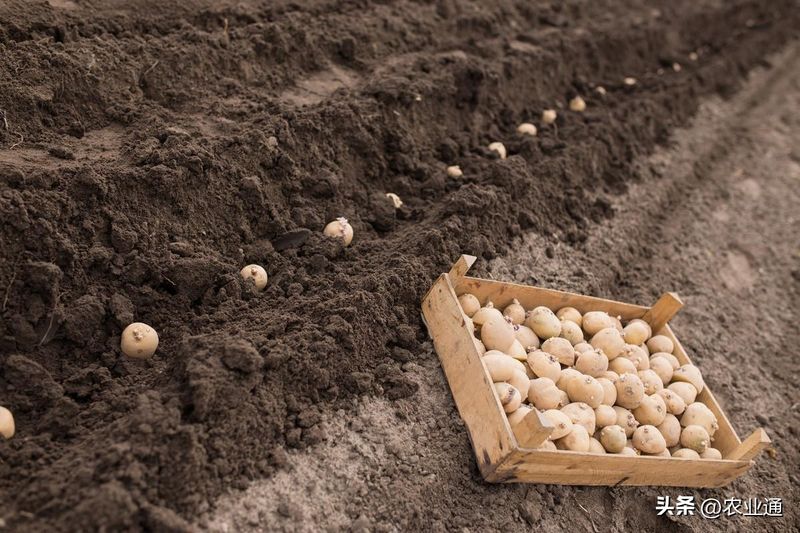
In accordance with local climatic conditions, soil temperatures in the spring are stabilized at 7-8°c to sow in a timely manner to ensure that potatoes are germinate and grow smoothly. Depending on the variety and fertility of the soil, it is possible to sow one seed of seeded potatoes at a distance of 30 to 40 centimetres and 20 to 30 centimetres. When seeding, the seeding of the potatoes is directed upwards and then covered and flatted from the gutter, with the earth around 8 cm and light pressure. The seeding is followed by a timely sprout, which keeps the soil humid and promotes germinate growth。
Fertilizer management
The demand for soil moisture and nutrients is not the same at all stages of the potato's growth, and farmers need scientific control over the management of water fertilizers over time to ensure the normal and healthy growth of potatoes。
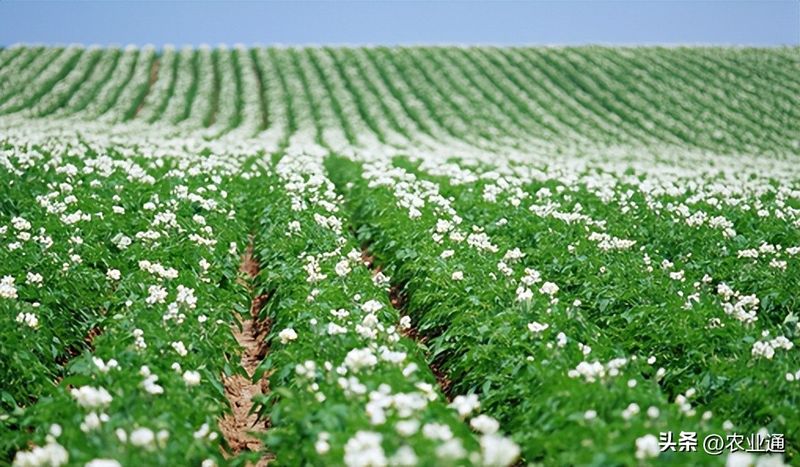
Shrimp periods: soil moisture must remain at 50 ~60 per cent of the maximum water reserves in the field, promote the development of the root system to the deep part of the soil and the growth of the leaf, and combine the cultivation of the soil at a height of about 15 cm with the first fattening of 5 - 8 kg of urea per acre in order to promote the growth of the tubs and leaves
Potato fertilizers: at a height of about 40 cm, 10 kg of potassium sulphate per acre is used for a second fertilisation, which is immediately followed by grafting, while weeding is carried out in the middle and leaves are sprayed once in the first seven days, three times in a row, at concentrations of 0. 05 per cent for boar and 0. 5 per cent for magnesium sulphate, to satisfy the nutrients required for masturbation, to promote early masturbation, and to produce more potatoes。
Potatoes: the soil should be maintained at 80 per cent water content, which requires loose and ventilated soil and sufficient, even and sustainable soil content to provide sufficient and even soil moisture for the expansion of potato trachea。
In maturity: soil water should gradually be reduced to 50 ~ 60 % and should not be overdone to reduce the risk of disease in the tuber's skin and to prevent its decay, and to produce high-commodity potato tubers to enhance post-harvest storage。
Leaf-faced fattening: when the potato blooms, it is generally not subject to inter-root fattening, especially the application of nitrogen fertilizer at the root. Otherwise, inappropriate application of fertilizers results in long leaves, hinders the formation and delayed development of tubers, leads to the creation of small and deformed potatoes, decreases in dry matter content, susceptibility to night disease and scabies. Potatoes are sprayed every 8-15 days with 50 kg/acre of phosphorus and potassium solution of 0. 3-9. 5% of the platinum-phosphate on the side of the leaves, with an increase of 100-150 grams of urea spray in the event of nitrogen deficiency, which can significantly increase the production of the tubers and improve their quality and sustainability。
Recommendations for pest control
The common diseases of potatoes include early disease, night disease, aging disease, dry decay disease, bush disease, deadness disease, black scabies, scabies, viral disease, etc. The common pests of potatoes include aphids, 28 stars, beetles, mites, tigers, gills, needles, etc。
Early disease: 80 per cent of the bulk humid powder 600-800 times, 70 per cent of the manganese zinc 500-600 times, or 80 per cent of the spray g wet powder 600 times, once in a period of 7-10 days, with two to three consecutive treatments。
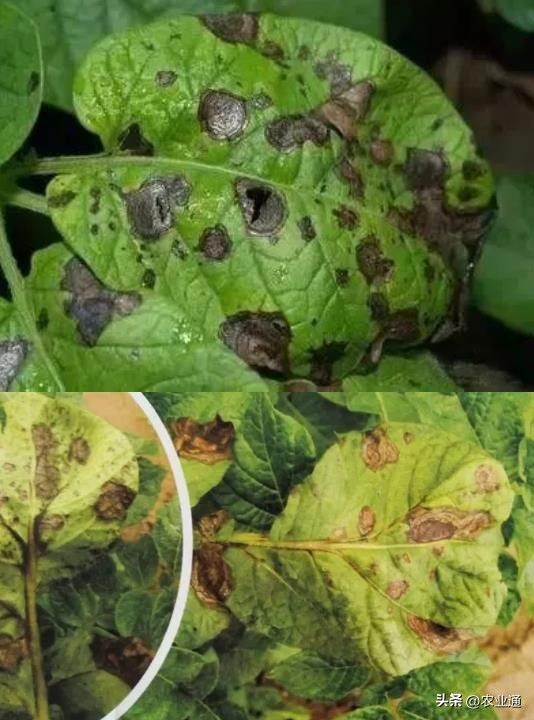
Night disease: 72 per cent g of wettable powder 600 times the fluid or 72. 2 per cent of the prick water agent 600 times the liquefaction seed, timely treatment of the agent at the onset of the disease, commonly used including mercuric manganese zinc, trunchean, antxian, fast-cleaning and profit-making。
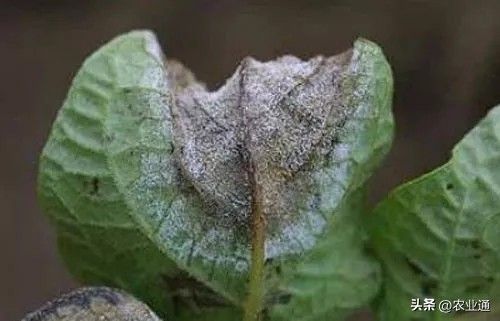
Decay: in the early stages of the disease, treatment can be used for phenylether propylazine, benzic, fungus, rusty。
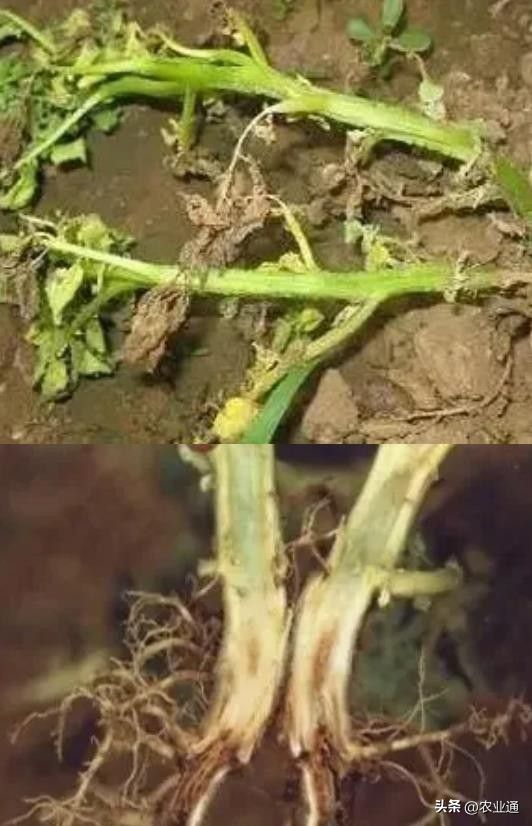
Dry scavenging: new potatoes are cleaned up before entering the scavengers and can be disinfected with fungi spray。
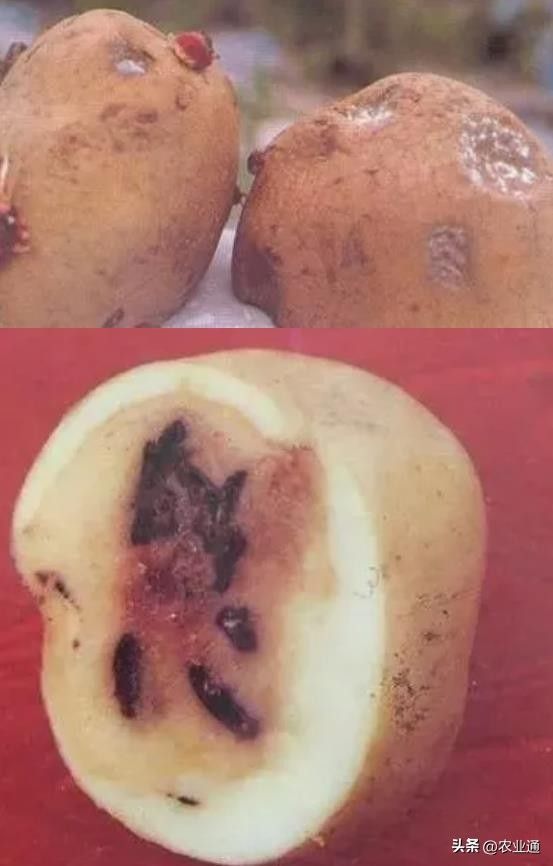
Scattered diseases: cultivation of detoxicated potatoes and timely treatment of insects such as lice, aphids, leaf scavengers, etc., in order to prevent infestation。
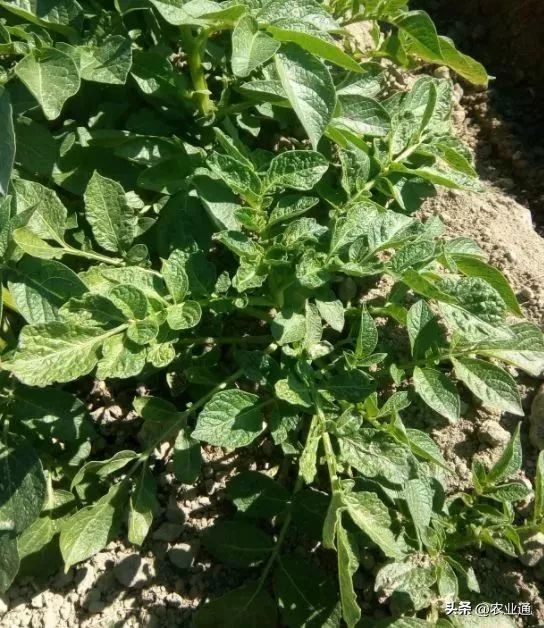
Palsy: in the early stages of the disease, 400 times the agro-sulphate sulphate humid powder, or 77 per cent with a wettable powder of 400-500 times the liquid root of 300-500 ml per unit, once every 10 days, 2-3 consecutive times。
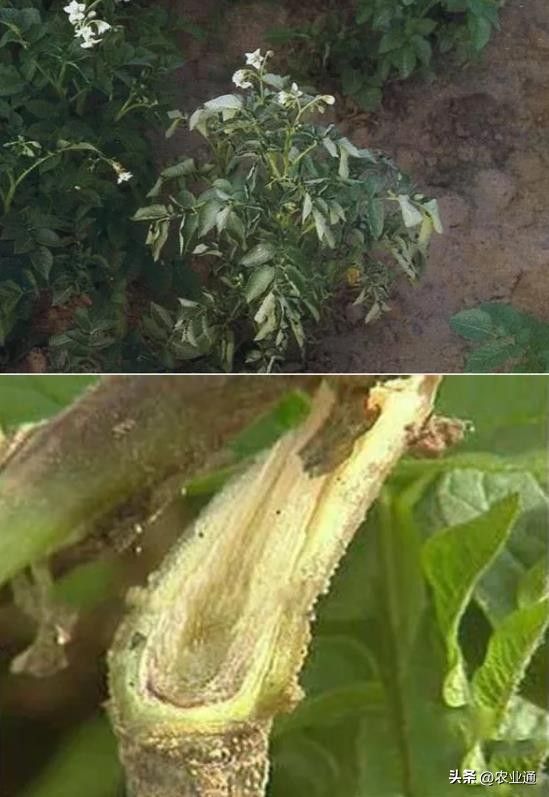
Black beryllium: 2-3 chlorobromoisocyanate, octamamine acetate, zinc sprayed every 10-15 days on the leaves of a young child。
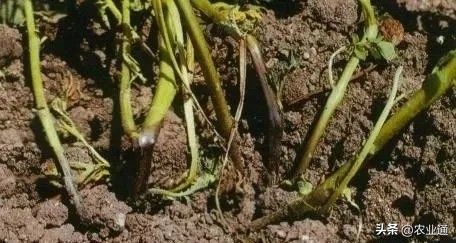
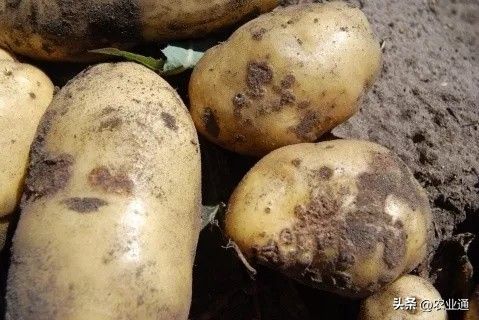
Scabies: in the period of expansion, control is carried out using 150-200 times 50 per cent fluoride suspension, or 600 times 78 per cent bor. Manganese zinc wettable powder, or 600 times 40 per cent of the fungus nuclear water purification emulator to the root, in conjunction with 500-600 times 36 per cent methyl sulphate leopardant, or 600 times more than 50 per cent of the fungus wettable powder, or 1,500 times more than 50 per cent of the benzophrenic wettable powder spray. The incidence can be controlled every 7 to 10 days and 3 to 5 consecutive times。
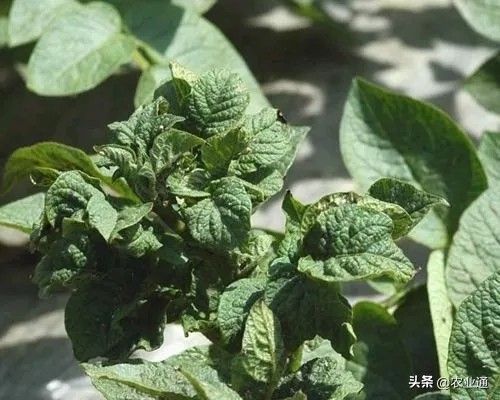
Virus: optimals such as hydrochloric acid, ninacin, copper acetate, trichloroisocyanate or aminovellin are optional。
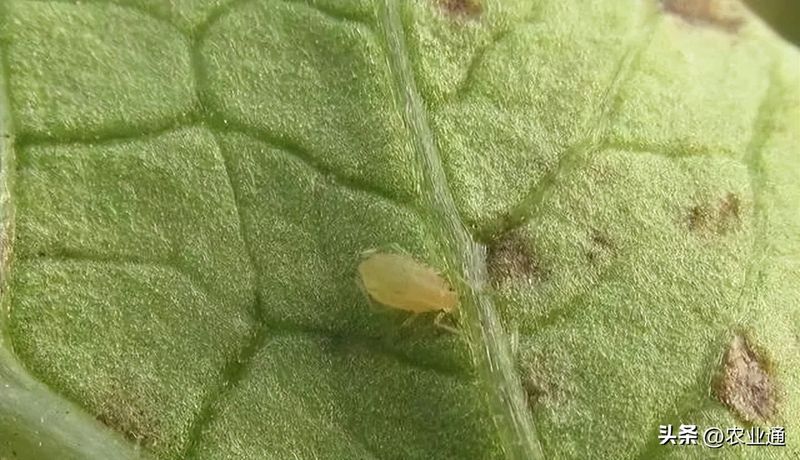
Aphids: 70 per cent of aphids and 70 per cent of aphids are recommended to be diluted by 1,000-1,500 times the flat spray, with an interval of seven days and two consecutive times, with appropriate adjustments to be made for local insect conditions。
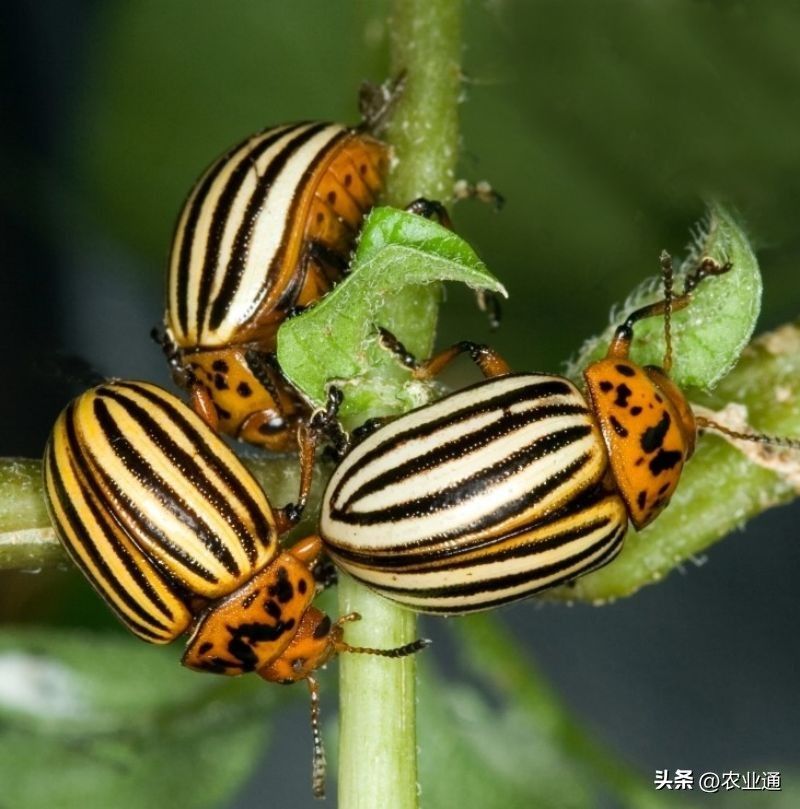
Beatles: chemical agents are the most common method of control of potato beetles, including organophosphorus, carbamate, pyrethroids, etc. These agents can effectively kill and prevent beetle parasites。
Vf: optimum octopus and agent. The main effects of the eggs are, for example, cythroids and acarbs, and the killing of the mites is better in avimectin, cylins, cylindrin, and so on。
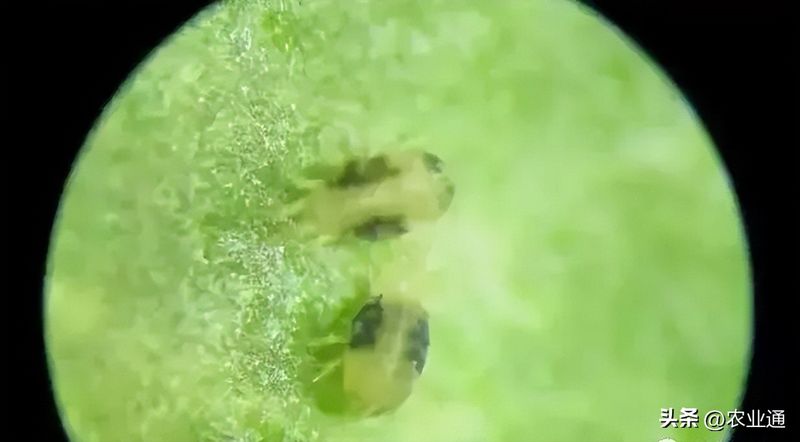
Underground pests such as tigers, thorium, gold needle worms: 3-4 kg of zinc sulphate particles are sprayed in acre to combat groundworms, potato moths and ladybugs are sprayed with 10% of pyrema cream 1,500 times more, 40% of methyl phosphorus cream 800 times more and 50% of phosphorus 1,000 times more during larvae. Controls can also be carried out with high-efficiency chlorofluorocarbons (cfcs) 1500-2000 times the liquid when the risk of a herring is detected。
The expansion of potato cultivation and new methods has improved the level of scientific farming techniques for large numbers of potato farmers, providing a good basis for promoting rural economic development, agricultural efficiency, increased income generation for farmers, and achieving prosperity from poverty。









