


The content of this paper is based on authoritative information that is written from a personal point of view and is intended to be more interesting in terms of general knowledge of health. If you are unwell, call underline。
A little chili, perhaps keeping your heart healthy. Almost every day, humans pay a heavy price for cardiovascular disease. As an inexorable “health killer” of the mind, countless people are unable to resist. However, a study covering tens of thousands of people found that chili is a common diet on people's table or has a significant cardiovascular protection effect。
The connection between chili and heart attack sounds crazy, but the hidden and sophisticated scientific mechanism behind it is gradually being uncovered. Perhaps this most common sauce on the table is bringing about a gradual change in human health。
Peprin: the energy hidden in the tiny spicy
Most people mention chili, and the first reaction is "spicy," but where does this spicy come from? The real answer is not just a chemical reaction, but a live compound called chili. The unique molecular structure of pepperoni also gives it a range of powerful health effects。
It works through a special type of receptor, known as the "abstant receptor electro-vangible 1" (trpv1). When chili is used on this receptor, a series of physical reactions are triggered, most notably the vascular expansion effect. The blood flow through the vascular wall increased during the expansion of the veins, and the vascular pressure decreased, reducing the blood burden of the heart pump. This is like removing a part of the burden from the heart。
In addition, the study found that chili is directly protective of the stability of the vascular walls. Modern medicine is clear that the occurrence of heart infarction is closely related to the accumulation of low-density protein cholesterol (commonly known as “bad cholesterol”) within the vascular walls. When cholesterol is gradually forming specks and causing artery congestion, it can lead to disruption of blood supplies and eventually to heart infarction. However, chili is precisely capable of reducing the accumulation of “bad cholesterol” while protecting artery wall cells from oxidation, thus avoiding the large-scale creation of plaques. In other words, chili is both pre-preventable and slows the deterioration of the already ill。
Interestingly, chili doesn't have a physical impact on the body alone. Chili also contains a large quantity of vitamin c, beta-carrotin and other antioxidating substances. These components not only remove free radicals in humans but also enhance cardiovascular health. Research has shown that people who insist on taking appropriate amounts of chili food on a weekly basis have lower levels of anti-inflammatory biomarkers in their blood - which are usually considered as risk indicators for cardiovascular events。
Observation data: the protective potential of chili from research findings
In recent years, a number of large-scale studies have gradually pushed the link between the decline in the incidence of chili and heart infarction. For example, a study published in authoritative cardiovascular journals shows that those who regularly eat chili have lower rates of heart infarction and even lower risk of death. The study surveyed dietary habits and health data for over 20,000 people, with a research cycle of more than 10 years。
The team found that the mortality rate for cardiovascular diseases among people who eat chili more than four times a week is nearly 34 per cent lower than for people who do not eat chili at all. Further data analysis shows that this effect has not been significantly disturbed by dietary styles, i. E., the protective effect is reflected in both mediterranean and east asian diets, as long as they contain pepper。
Moreover, the study revealed some unexpected details. First, the cardiovascular protection of peppers may have a “dose effect”, i. E. People who eat more frequently tend to benefit more. It is worth noting, however, that this dose effect is not unlimited, exceeding a certain amount of pepper intake, but is counterproductive because of the excess of pepper to stimulate the gastrointestinal tract. The concept of “appropriate” therefore remains important。
At the same time, researchers mentioned that the protective effects of peppers are particularly pronounced among populations with metabolic syndrome. For example, many obese or high blood sugar populations have lower vascular elasticity, but papririn can provide some additional protection to this group by reducing inflammation in the body and improving fat metabolism。
While these results are welcome, it is important to note that the cardiovascular protection effects of peppers do not reach all. Some people with excessive stomach acids or stomach ulcer may be in discomfort because of excessive chili stimulation. Such a particular case serves as a reminder that science-based diets are intended to achieve health rather than to pursue the “magic effects” of certain foods。
Mechanisms for the functioning of peppers: not only for cardiovascular purposes
The discovery of chili is not only a hot tide of cardiovascular research, but is also of interest in different disciplines due to multiple biological activity. In particular, in the area of anti-inflammation and metabolism regulation, chili is showing a potential that cannot be ignored。
The study found that chili is also indirectly contributing to cardiovascular health by improving insulin sensitivity. In type 2 diabetes, high blood sugar can damage vascular wall cells, and this process eventually increases the risk of heart infarction。
However, chili is likely to activate some of the routes involved in fat decomposition and blood sugar regulation, thereby reducing insulin resistance. In some animal experiments, the average blood sugar value and the levels of triester glycerine were significantly lower than the control group for mice who took papririn. This suggests that the intervention potential of pepper for metabolic vascular damage may be greater than anticipated。
In addition, chili is instrumental in activating humans with brown fat tissue, which is a special type of fat that can quickly burn excess heat. The more active the brown fat tissue, the easier it is to regulate the energy balance. Through this indirect effect, spicy consumption may also indirectly help the obese population to improve their body size, thereby reducing the impact of obesity itself as a cardiovascular risk factor。
However, the metabolic pathways for peppers vary from one individual to another. In some cases, the relevant receptor activity is low and may not fully benefit from chili. This is also why heart infarction rates vary even in spicy countries. This difference reminds us that dietary interventions cannot be “one size fits all” and that all feeding proposals need to be combined with individualized principles。
Pepper diet: from table to healthy practice path
Faced with the widely recognized health value of chili, the scientific integration of this “red umbrella” into the daily diet has become an issue of growing concern. Health experts pointed out that even if chili is better, it needs to be controlled in terms of methods and quantity, and that a mix of diets is key to ensuring safety and good taste。
First is the frequency of pepper intake. According to the study, moderate consumption of chili is generally appropriate 3-4 times a week. Some people who are more sensitive to chili can choose less spicy sweet peppers or replace directly added fresh peppers with a modest amount of pepper powder and pepper oil. At the same time, some dairy, central and gastrointestinal irritation can effectively reduce possible side effects。
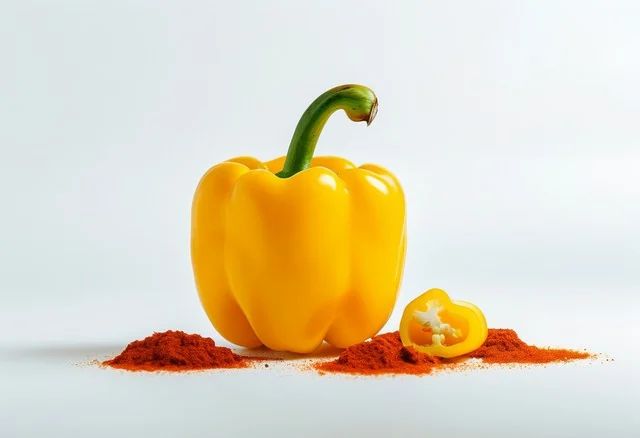
Whether or not they like spicy, direct consumption of peppers in an empty stomach should be avoided. This may not only cause gastro acidic disturbances, but may also lead to damage to the gastric mucous barrier and increase the discomfort of digestive tracts. In particular, some people with stomach diseases need to pay more attention to the consumption of peppers in combination with staple, protein-based foods to reduce their irritation。
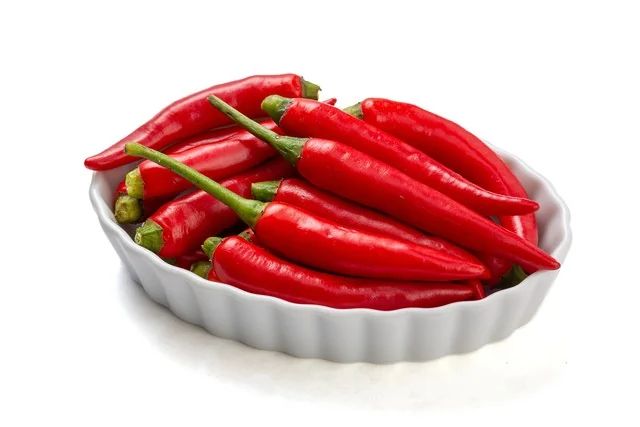
Paprika is not a magic cure. Its benefits derive more from day after day long-term regulation than from immediate short-term effects. Therefore, everyone needs to try progressively according to his or her physical condition, with a balanced diet and a healthy lifestyle, in order to truly exercise his or her role of cardiovascular protection。
The effects of chili peppers on cardiovascular risk factors in the scrutinizing of patients with porridge. Chinese medical information journal, 2025, 12(4):42-45.
2026, 15(6):97-99.
[3] zhao li, chen yeon.









