


The president of the state of israel said a classic phrase: “this people can survive if we are given a bowl of water and a seed”, and weizman said that it is now true that the israelis wrote a myth about agriculture in the desert, which turned israel's barren land and desert into an oasis。
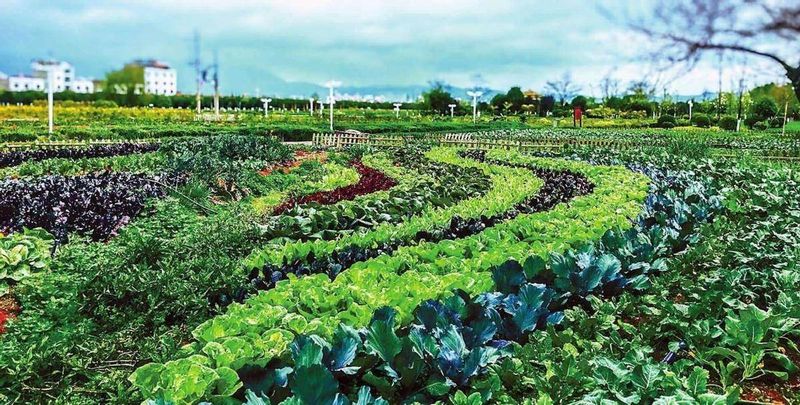
Israel's natural conditions are so bad, their agriculture is so developed
If the agricultural base of each country is not on a starting line, then israel is no longer a starting point; it is simply a rollback。
Israel is located in the middle east, a country on the eastern coast of the mediterranean sea, with a small size, with the negev desert accounting for more than half of it, with low rainfall of 200 mm per year, more than double the global average of 834 mm。
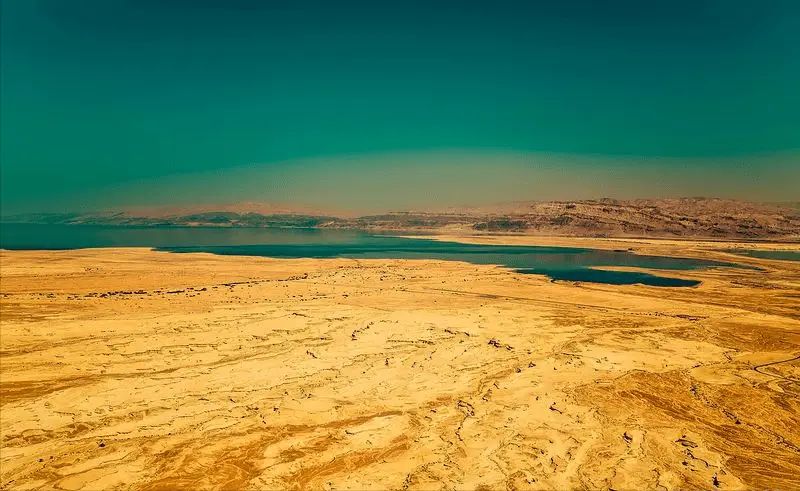
You can't count on god. Where's the ground
The figure below is israel's largest freshwater lake, lake galilee, with a total area of 166 square kilometres and a maximum depth of 48 metres, the lowest freshwater lake on earth. However, apart from the fact that lake galilee provides israel with fresh water resources, other freshwater lakes have never heard of them, and it is difficult to supply a country with a lake。
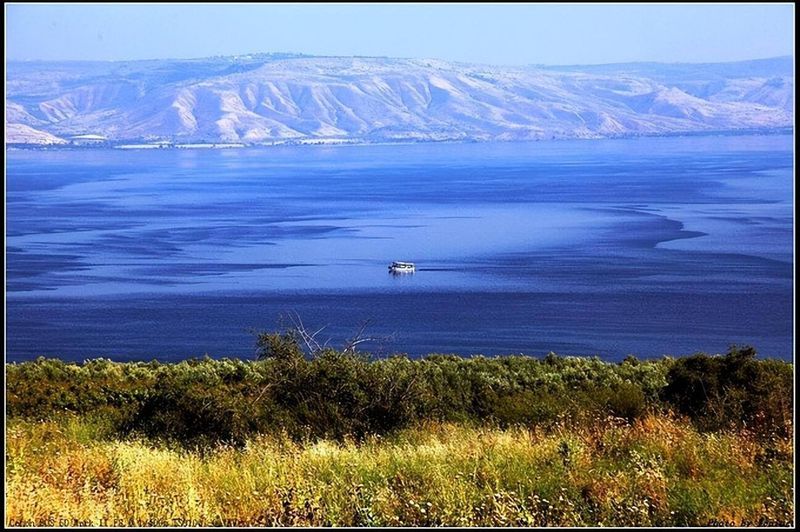
Moreover, the lake is located in a low-lying rift valley, surrounded by mountains, with frequent storms and earthquakes, so that israel's only freshwater resource may be lost in one day。
Geographical location, climatic conditions and water resources could all be said to be so unsatisfactory that israel's agricultural development could be brought down, but they would not be afraid of this terrible natural environment, fight it and win it。
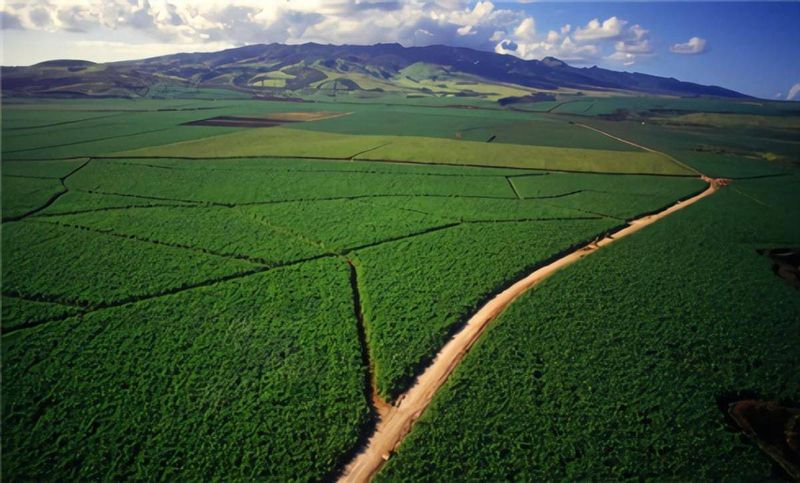
Israel is divided into 10 agricultural districts. The main crops, such as cotton, vegetables, citrus and wheat, are almost self-sufficient and livestock products are at the world level。
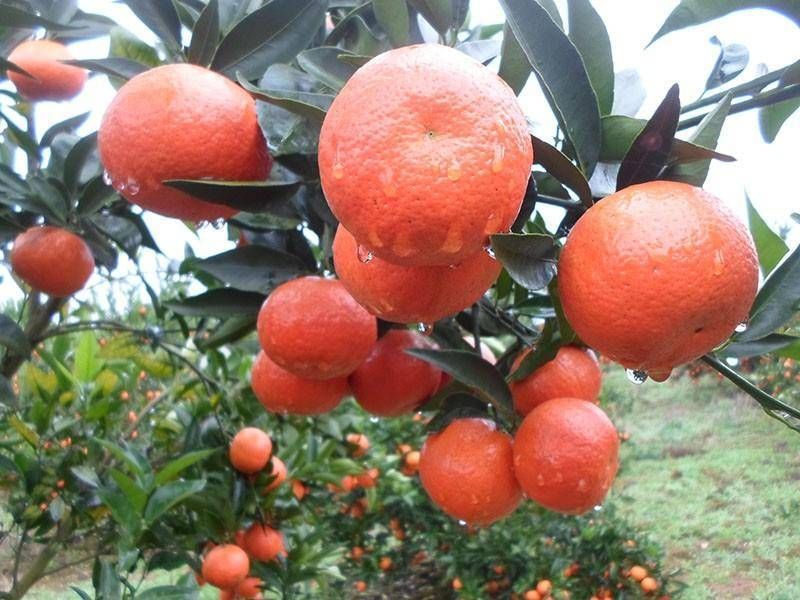
While 80 per cent of food was imported at the beginning of israel's existence, they now not only feed themselves but also trade externally. In 2018, israel, with an arable land area of 4,100 square kilometres, exported about rmb 2. 22 billion worth of vegetables and 1. 22 billion of citrus fruits, an export volume sufficient to demonstrate the extent to which israeli agriculture is today developing。
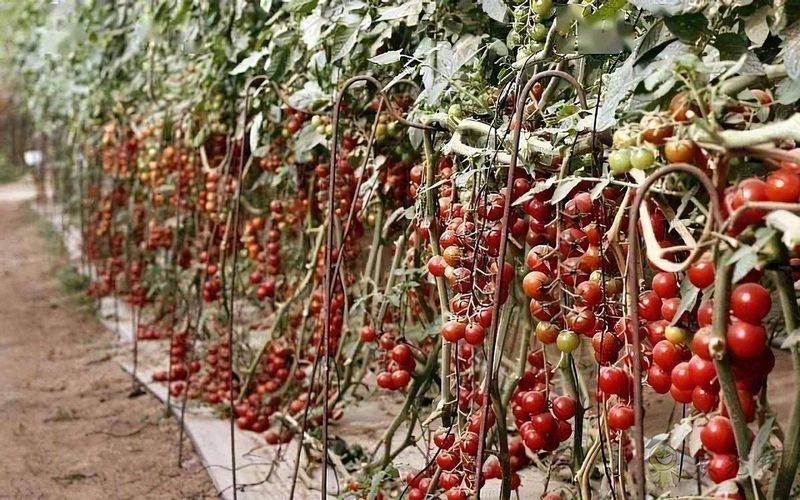
Israel's tomato, watermelon, cotton and cucumber seed technologies are among the world's best, producing 300 tons per hectare of tomatoes, six times the world average, and citrus production 262 tons per ha, up from the european average of 211 tons。
Overall, the extent of agricultural development in israel, according to israeli agricultural data, increased from 15 in 1995 to 90 in 2000 and up to 400 in 2015, indicating that israeli agriculture has been improving。
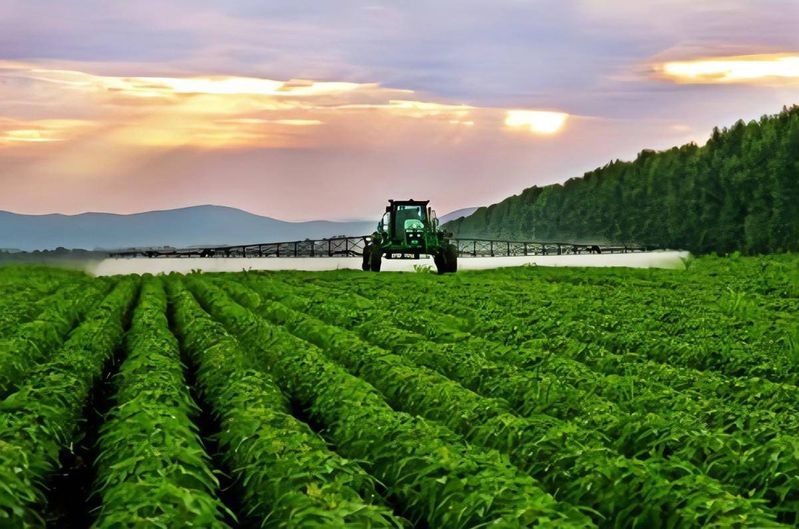
On what basis does israel make their agricultural development so strong
Why is it that there is no land, no water resources and no environment for food crops? There are two main reasons for this: science and technology support and government policy support。
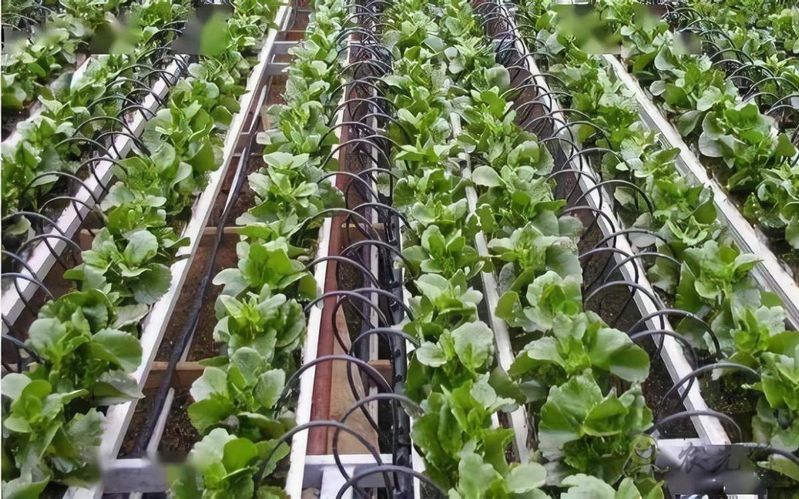
First, they solve the problem of water resources with drip irrigation. Israel's drip irrigation systems are international in number, with nozzles and sensors for the main core components:
Sensors are responsible for collecting data on the temperature, humidity and ph value of the soil and transmitting them to computer terminals, which determine whether drip irrigation or drip irrigation is accurate and not wasted。
Moreover, israeli farmers are almost non-fertilizing, directly adding to the drip water the fertilizer required for their crops, so that the crops are also strong。
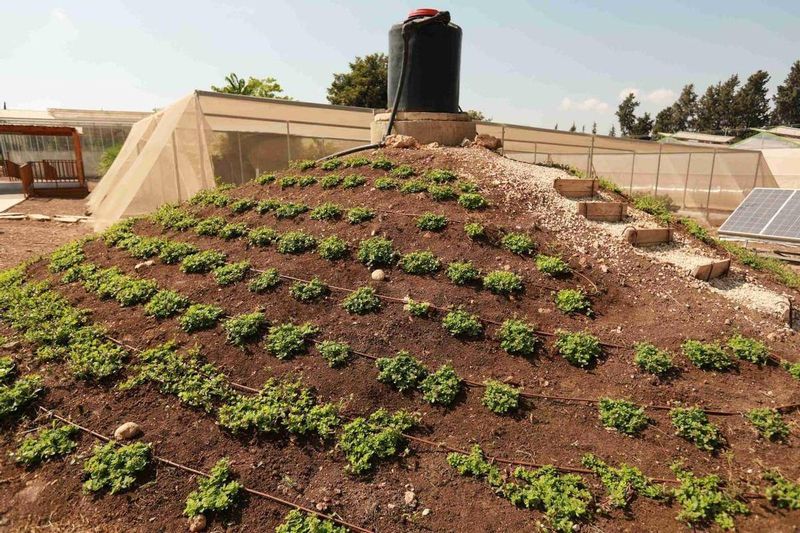
Moreover, israeli experts in agriculture had found that not only fresh water, but also saline water, could be used to water the land。
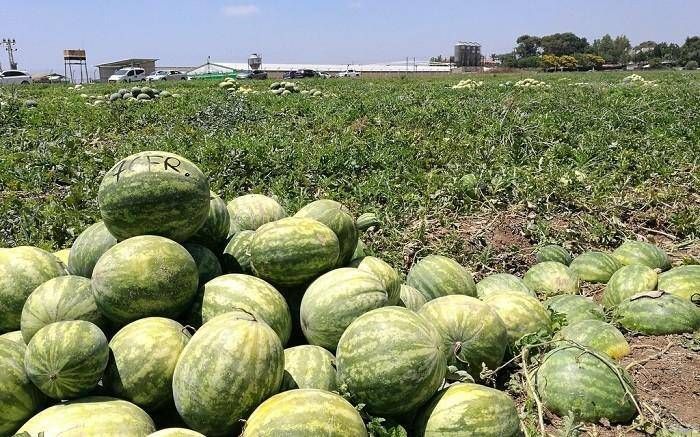
They use drip irrigation techniques to irrigate crops such as tomatoes, cotton, watermelons and date palms in the negev desert, which save not only fertilizers and pesticides, but also half the water resources, and reduce salt accumulation and increase production by a full double
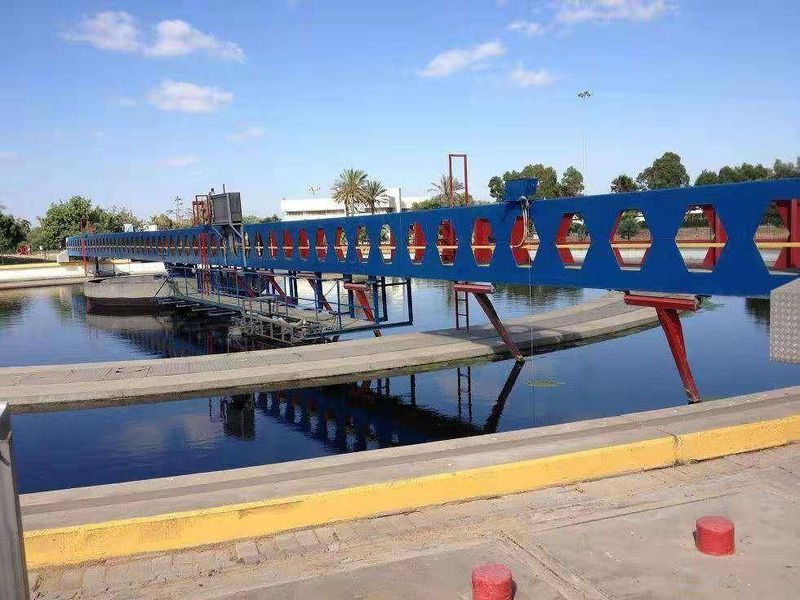
In addition to dripping water conservation, israel has tried to solve the problem in essence, mainly by using desalination technologies to produce fresh water. Israel has built the world's largest fresh water treatment plant to satisfy domestic and agricultural uses by desalination the salt water of the sea and desert by high-tech means。
We in china have major projects in the north and in israel in the north, because israel's largest freshwater lake is located in the north of lake galilee, and in order to make full use of its water resources, they have built 300 kilometres of water pipelines, which have largely addressed the water shortage in southern israel。
It was not enough to solve the water problem, but to find crops suitable for local cultivation. What if there's no crops? Then grow yourself
To this end, local scientists have produced excellent varieties such as wheat, onions and tomatoes that are suitable for salt water, and bushes that can be irrigated with sea water, so that they can be watered directly with salt water and save a portion of water resources
Scientists have also developed new varieties of citrus, which are twice as early in the outcome period and require less than a third of the water, and which have a high relative advantage. No, the experts immediately invented cucumbers and melons against the two viruses; tomatoes for the anti-widge disease, sickle disease and nematode disease, and sturgeon for the heat resistance ... And established the world's first plant seed bank for the storage of wild grains, with a very wide variety of genetic seeds。
Israel's agriculture is also characterized by the use of polyethylene film for the manufacture of small greenhouses to maintain the temperature and moisture of vegetables and fruits exported during the winter。
The plant grows naturally when the thin membrane is laid on the soil by the machine, which covers the soil with a blanket, then sets a small hole on the membrane at a moderate distance, then sows it in a small pore, then inserts a semi-circle wire frame into the soil with the machine, places a plastic membrane on the steel wire frame, and forms a semi-round long temporary greenhouse, and then opens the second layer after spring。
This technology was born not only to address the scarcity of land resources, but also to increase food production and combat some of the pests and pests, as well as to make a great deal of money。
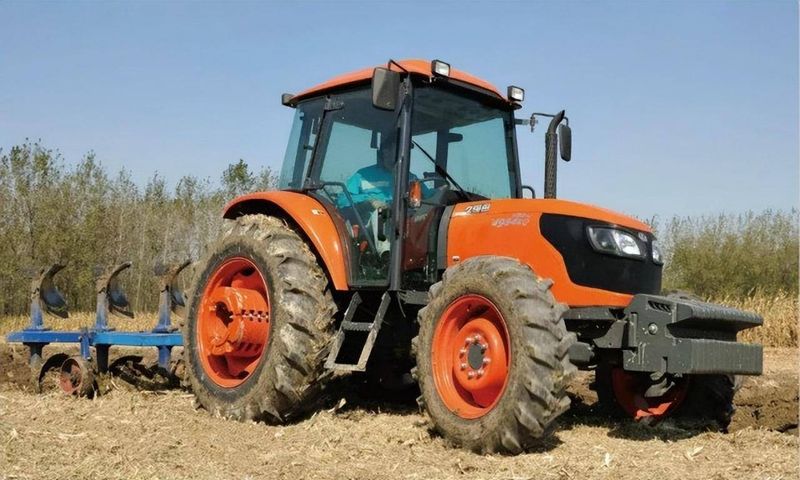
Israel's agricultural machinery is also powerful, applying advanced electronic technology to agricultural machinery, designing a tractor with computers and automatic devices, which ploughs, plant and harvests and reduces fuel consumption while ensuring operational speed. It must be said that every israeli invention of agricultural technology maximizes its benefits。
In addition to the support of science and technology, the government of israel has also given great support. Israel focused on the protection of resources, the environment through economic means and market mechanisms, the introduction of water permits, quotas and a paid water system that encouraged water conservation, the promotion of water-saving technologies, the implementation of quota incentives and sanctions for agricultural water use, and the utilization of up to 90 per cent of israeli sewage。
The government also subsidizes agricultural development. The level of government-subsidized investment in agriculture was around 20 per cent in 1980-1996, and in 2009-2014 the government subsidized $62 million to promote mechanized production, subsidized 40 per cent of the price of the machine for farmers and 50 per cent of the risk for agricultural insurance and other disasters. Government subsidies also include many other aspects, such as funding to support the development and diffusion of science and technology, tax subsidies, etc. You look happy being a farmer in israel

In addition, the israeli government has undertaken reforms in agricultural policy. In order to promote israel's economic privatization, trade liberalization reforms and its agricultural competitiveness, israel had amended the relevant laws over the past few decades and had enacted new laws。
In 1985-1990, israel gradually eased its management of the plan and promoted industrial restructuring and market-based operations. Israel adjusted its policies in due course to the economic situation, which contributed significantly to the development of its agriculture。
Although israel is not well-born, it has deliberately created conditions that have a great advantage, flourishing agricultural development and achieving remarkable results throughout the world, and is even known as the eleventh wonder of the world。
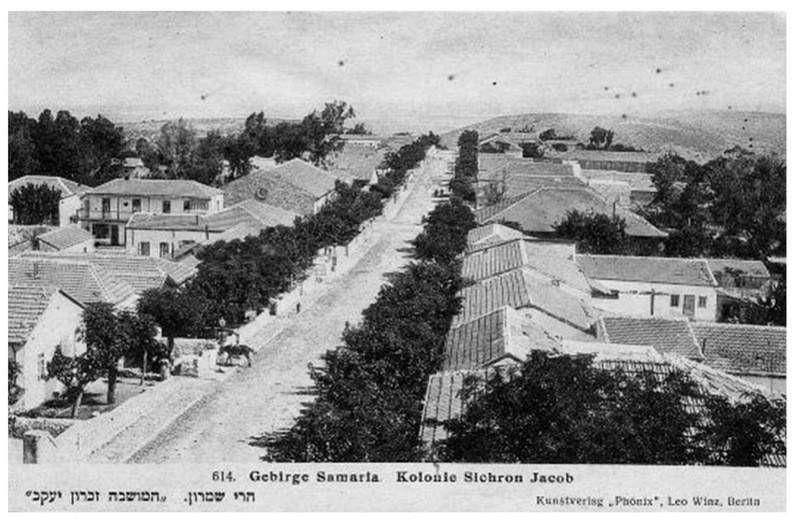
Israel's unique agricultural communities, “kiboz” and “moshaf”
Israel also has one of the most powerful things to do, as a capital state, to dry out the “socialism” of agriculture. In israel, the communal collective village of kibuz, the cooperative-moshaf and the individual farmer-moshawa together constitute three institutions of agriculture, each of which has its own strengths, which together contribute to the development of israeli agriculture。
The so-called communism in capitalism is actually kibbutz。
The source of kiboz is hebrew for “groups”, created by east european migrants in 1909 by lake galilee in order to survive in extremely difficult circumstances, with numbers varying from 50 to 2000。
It is a settled organization, a collective society organized by its members, who are called communism by virtue of their complete absence of private property, as they work collectively, live collectively, own collectively (including food and clothing) and defend their property and security。
Moshaf, a community model, was created in 1921 and now has more than 400, each comprising 60-100 farmers. In contrast to kiboz, the family farms are independent and the houses, fields, etc. Are owned by the farmers, but the land belongs entirely to the state。
When the cooperative allocates land to farmers for their own production, produce is sold by the cooperative in a single way, and the cooperative provides technical and mechanical services, etc., so that farmers can benefit both collectively and easily。
Moshawa, a self-employed farmer, is not much different from our country. It is simple to do it on its own, to sell it on its own, without community collective restraint and freer。
Is there anything we can learn from israeli agriculture
Agricultural development is tailored to local conditions. Israel's crisis of limited land-cultivation resources has given them the chance to increase agricultural production. Although we are rich in chinese land, we have more people and need more food. It is therefore necessary to learn how israel can increase crop yields, and it is feasible to create small greenhouses and optimize seedlings in our country。
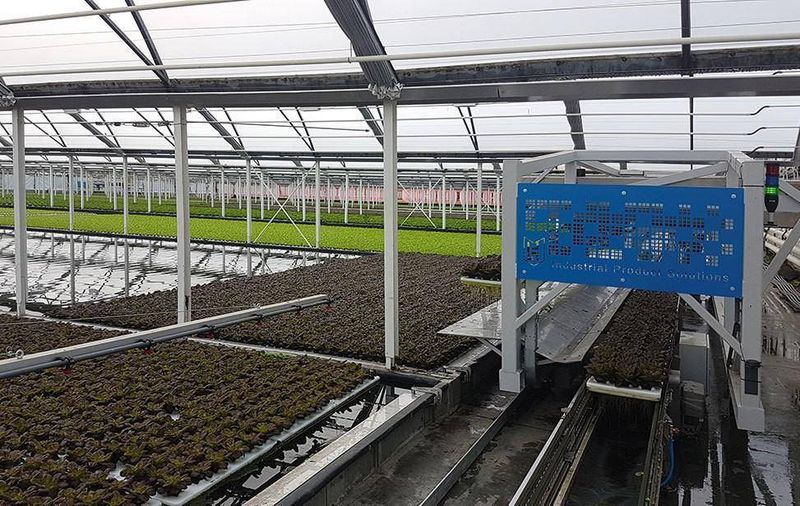
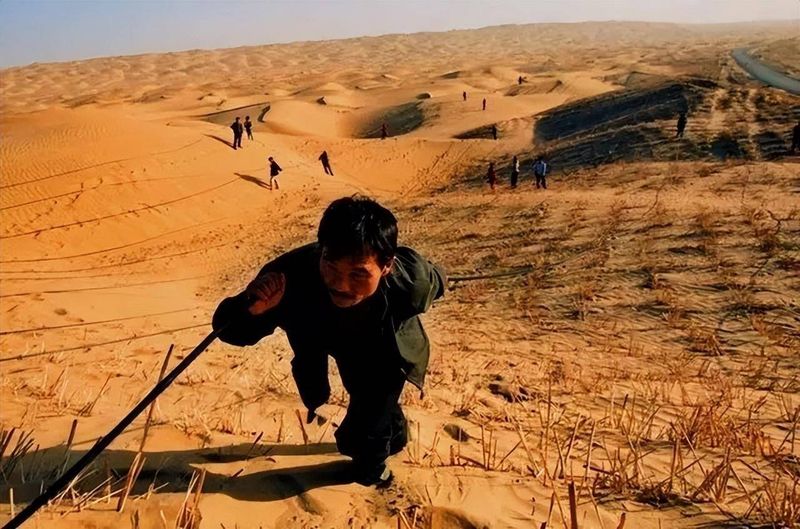
Indeed, the most worthwhile thing for us in israel is that we are learning how to dig up and apply water resources, that drip irrigation is already very mature and that the green planting around the takrama dry desert road is very good at drip irrigation. In addition, we can learn about the desalination of israeli seawater, which is actually costly and useful to us if we learn the essence。
Israel's subsidies for the development of agriculture in all its aspects are also worthy of our consideration and, although they do exist in our country, they do not have israel's detailed and well-developed policies, which, to some extent, contribute significantly to the development of our agriculture。









