


There are two things about parkinson: where to look and how much money to spend. This year, the municipal board of health and health has just included the brain disease section in the priority specialist unit, the only private sector, and many people's first reaction — will the charges be particularly expensive
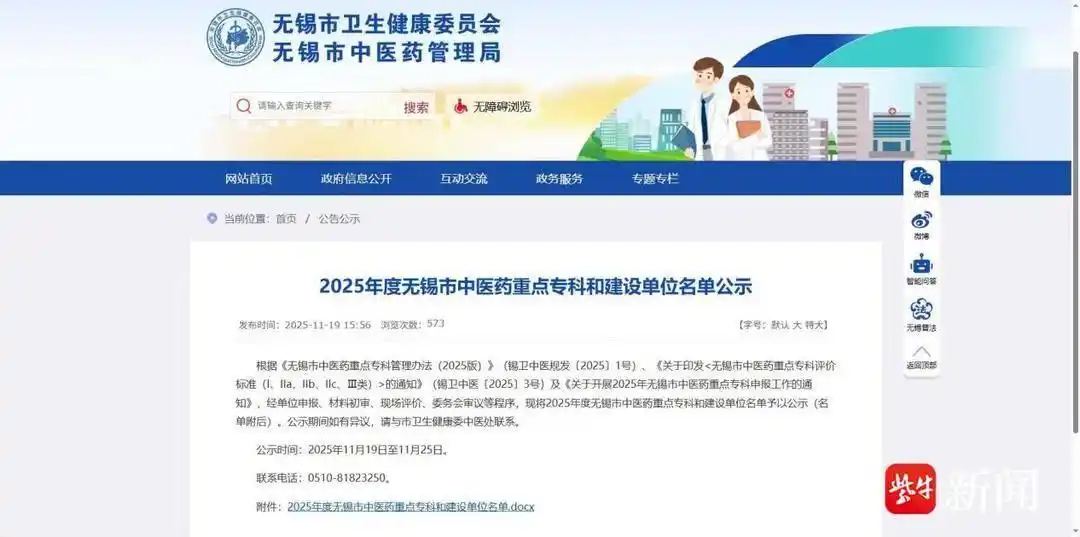
The only private sector in town has a major brain disease
In 2025, the health and safety commission of the city of nishi announced a total of 55 major chinese medicine specialists and 24 construction units. The only private institution in 24 of these facilities is the enchanté hospital brain unit, which is the only one in the city in which the brain disease is directed. As stipulated in the document, it was subsequently formally approved and transferred directly to the priority specialties, with clinical standards and public hospitals being aligned。
For the patient, the focus is not just a brand. This means that the diagnostic process is evaluated at the municipal level, that there is a standard framework for treatment programmes and that the health insurance reimbursement catalogue corresponds. Many parkinson patients used to go to private hospitals to murmur, fearing more medication and more money, now have this qualification, at least the process and pricing are being watched。
Wei's team is taking care of 20 people
The core brand of the brain disease department is called the "wild brain disease center". The leader, professor wei jiangyi, was previously director of brain disease at the sunlight hospital in shanghai and was a member of the deputy director of the brain disorder branch of the chinese medical society of china. The centre now has a 20-person medical team, not one visit, but a permanent follow-up and care, usually in monthly cycles。
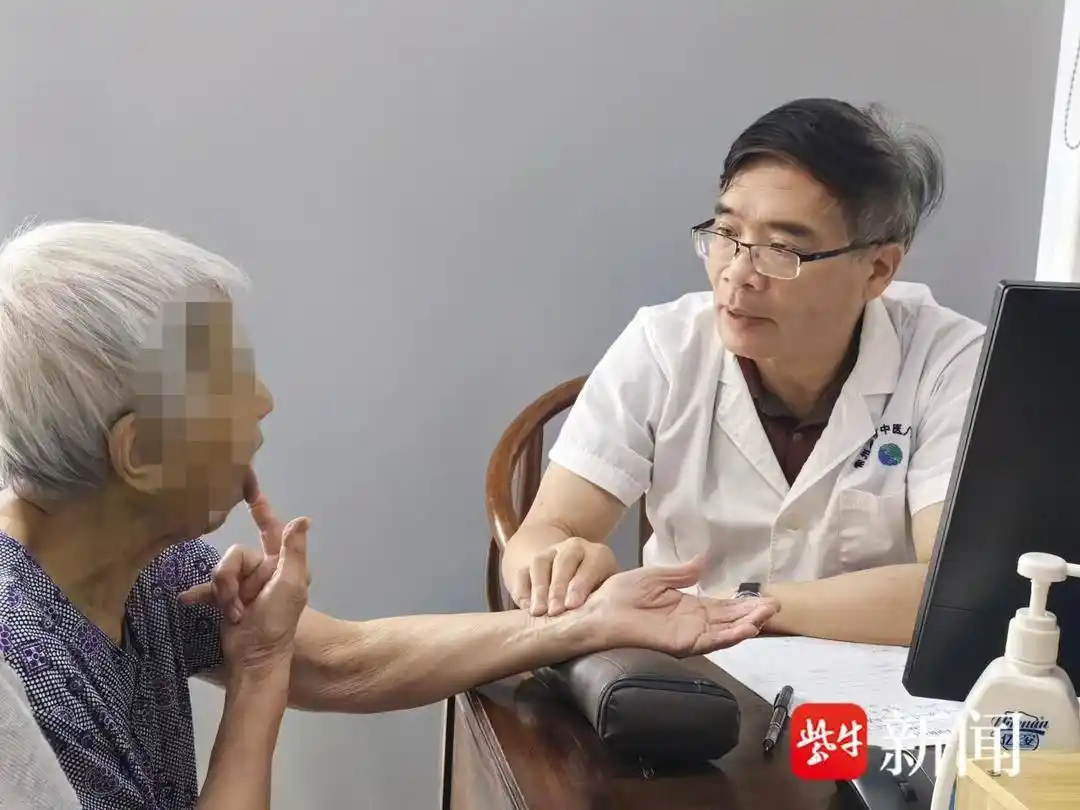
The main treatment for parkinson's disease, migraine, trident nerve pain. In the east china region, there is an increasing number of parkinson patients seeking treatment in the chinese medical system. This centre is part of a relatively well-established reputation, with many patients arriving from jiangsu, zhejiang and anhui, returning monthly after their initial consultations, with a medical team following them all, not a hammer。
Where does parkinson suffer after five years
Clinically, parkinson's mid-to-late patient, who has been diagnosed for more than five years, is much more than a handshake. Illness, frequent falls, end-effects, switch reactions, whole-body pain, constipation, salivation, depression, anomalous disorders, mixing of motor and non-motor symptoms, loss of ability to live on the cliff, and failure to sleep in bed for many patients。
Even more devastating is the fact that, at this stage, conventional western medicine is almost capped, its side effects are overwhelmed and its replacement is more volatile. Many patients felt "no medicine, no medicine" and spent tens of thousands of dollars on a rollover to the city and the north. They did not see a significant improvement, and were finally confined to their homes, where their families stayed for several years。
How does the midwest doctors and doctors detoxify parkinson
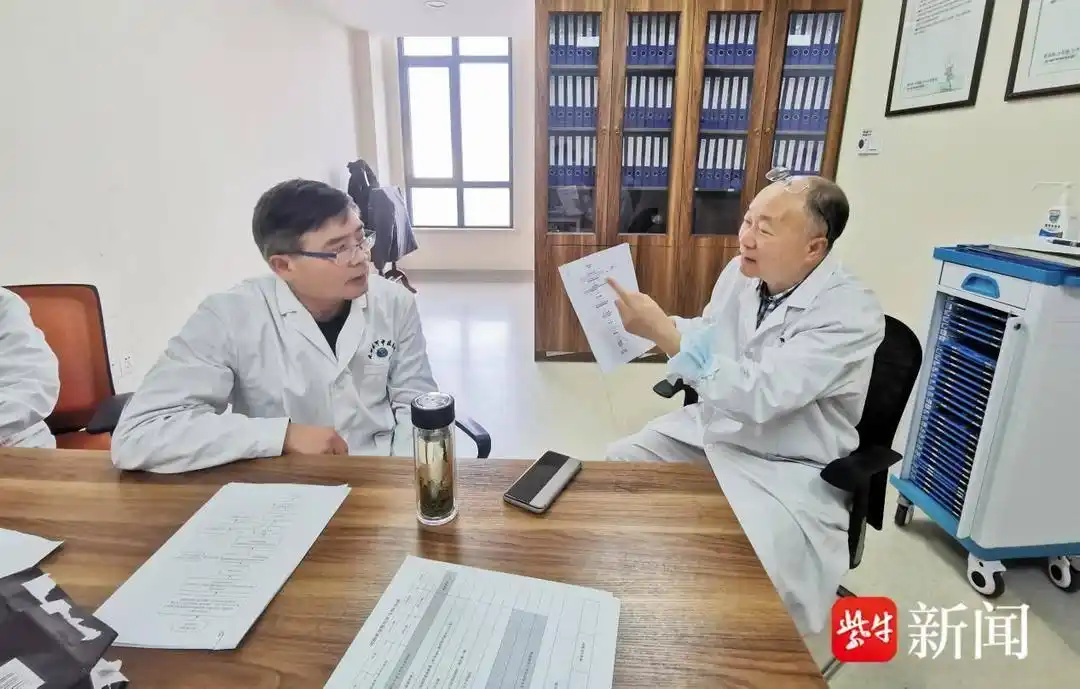
Wei jiangxi brought in professor liu zhen guo, neurologist at the xinhua hospital in shanghai, where the two experts met face to face. The whole idea is "dirty proof", not just western medicine or chinese medicine, but a combination of internal and external cures, a combination of corrosive artery, art therapy, etc., and a step-by-step approach to the three phases of "control clean-up", with the goal of efficiency gains and simultaneous detoxification。
The specific methods are a multiplicity: the xingqing act advocates "the taking of medicine with legs" to improve the circulation of blood in the brain by the movement of lower limbs; and prof. Ansheng, medical surgical professor, shanghai, treats parkinson's related pain with special burial lines. Wei gang pil's words are that the "exterior poison" of chronic drug use and the "inner poison" of disease itself must be removed together in order for the patient to live in dignity。
How high is the fee
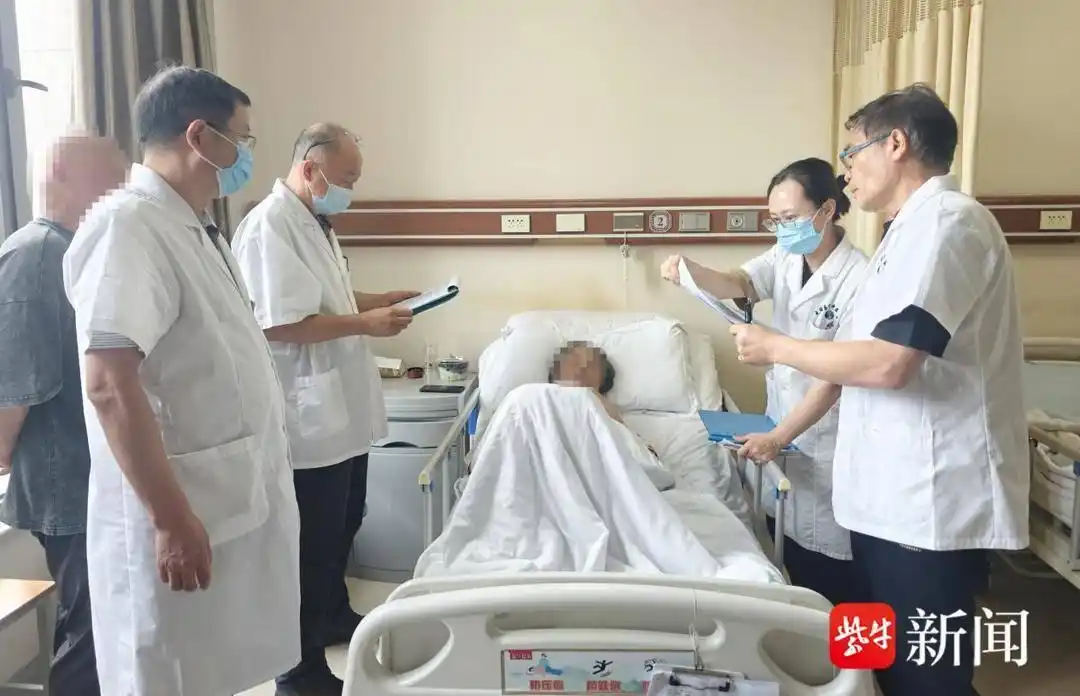
Back to the most realistic question. As a result of the inclusion of specialized units, most of the medical treatments, tablets, acupunctures and burial lines are reimbursed. The rate of out-of-pocket payments is essentially the same as in public hospitals, there is no room for "private pricing" and fees are included in the health-care regulatory system。
But there's one detail: this center is going through the "long-term care" model, not over once. A parkinson patient, who is stable from the first to the first, usually undergoes multiple visits, and incurs costs for each adjustment, induction training and examination. Single clinics vary from hundreds to more than 1,000, average monthly care costs vary depending on the programme, and it is recommended that the list of costs be sought directly at the first level。
Science and technology awards plus non-profit base
In terms of hard quality, parkinson of wei gang peng took shanghai city in 2015Midwest medical unionScience and technology award, third prize. The center also serves as a clinical conversion base for the national non-relict project, "an ancient ultimatum of the 12 powers". In 2020, the science and technology project of the medical administration of the city of nishi city was completed and, in 2024, the unit of the specialized programme for diversity (packinson's disease) in leung creek was awarded。
In addition, the centre, which is a member of the parkinson union of china, has developed three complete medical, teaching and research systems. For patients, this means more than "seeing a prescription drug", supported by continuous clinical follow-up and academic research, treatments are adapted to the dynamics of the pathology, without a fixed template being put to the end and the effects of long-term care being tracked by data。
Do you have any parkinson patients running around? Do you care more about expert fame or actual spending? The comment section will talk about your experience, and it will be useful to give it to the families who are also looking for a specialist in brain disease。









