


Those pesticide bottles thrown at hand in the field were not visible, and all the debts for cutting feet, poisoning water and destroying soil were in it. A lot of farmers feel that the medicine is clean and the bottle is all right, that the actual harm is much greater than expected, and that it's not so hard to handle it。
After the glass is tanned, there's another blade in the field
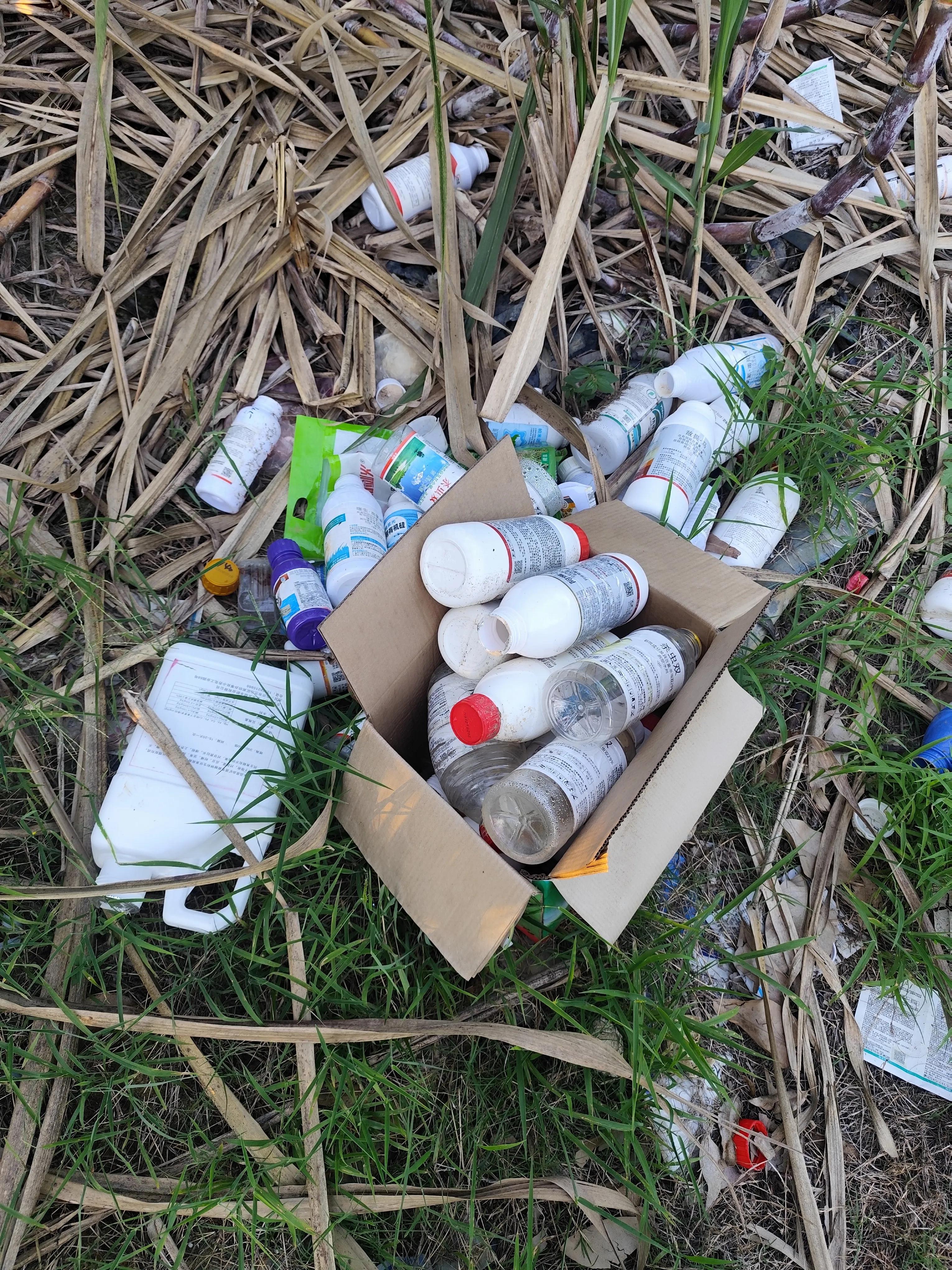
Many old varieties of pesticides use glass bottles, with heavy summer suns and repeated rain insulation, and the bottles slowly crack. The slag is scattered around the fields and ditches, and the farmer goes down barefoot and pulls grass or wears sandals with thin soles. In 2024, at a township health clinic at the corner of henan, dozens of stitches were punctured by glass fragments during the agricultural season, many of which came from waste bottles thrown from the fields。
Scattered glass is mixed into a straw when sugar cane and corn are harvested, and it is common for farm hands to remove particles and to break gloves when tied. Cows and goats gnawed their grass on the edge of the field, screeched into their hoofs, and walked in a limp for several days. These were seen as minor injuries, repeated during the agricultural season, causing chronic problems to become difficult to deal with and sterilizing several times。
The plastic bottle was buried in the ground for 18 years
Plastic pesticide bottles are mostly made of high-density polyethylene and have a natural degradation cycle of more than 500 years and are buried in the ground like stones. When henan and shandong's main production areas fell over the floor, the iron slings hit the hard shell, scratching out a bottle seven or eight years ago, which was white but in complete shape. It's stuck in the earth, it's stuck around the ground, it's localized soil slabs, crops absorb water fattening, and yields fall。
Even more troublesome is the mixing of plastic bottles into the soil table by small fragments after the fallout of the rain, with more finer plastic particles during the tillage. A data set released by the ministry of agriculture and rural development in 2023 showed that about 30% of the microplastic particles detected in some agricultural soils came from pesticide packaging waste. These particles are long-standing in soil, where micro-organisms are directly disturbed and the rate of organic decomposition slows down, and the more the earth becomes bored。
Residual fluids go down the ditch with rain
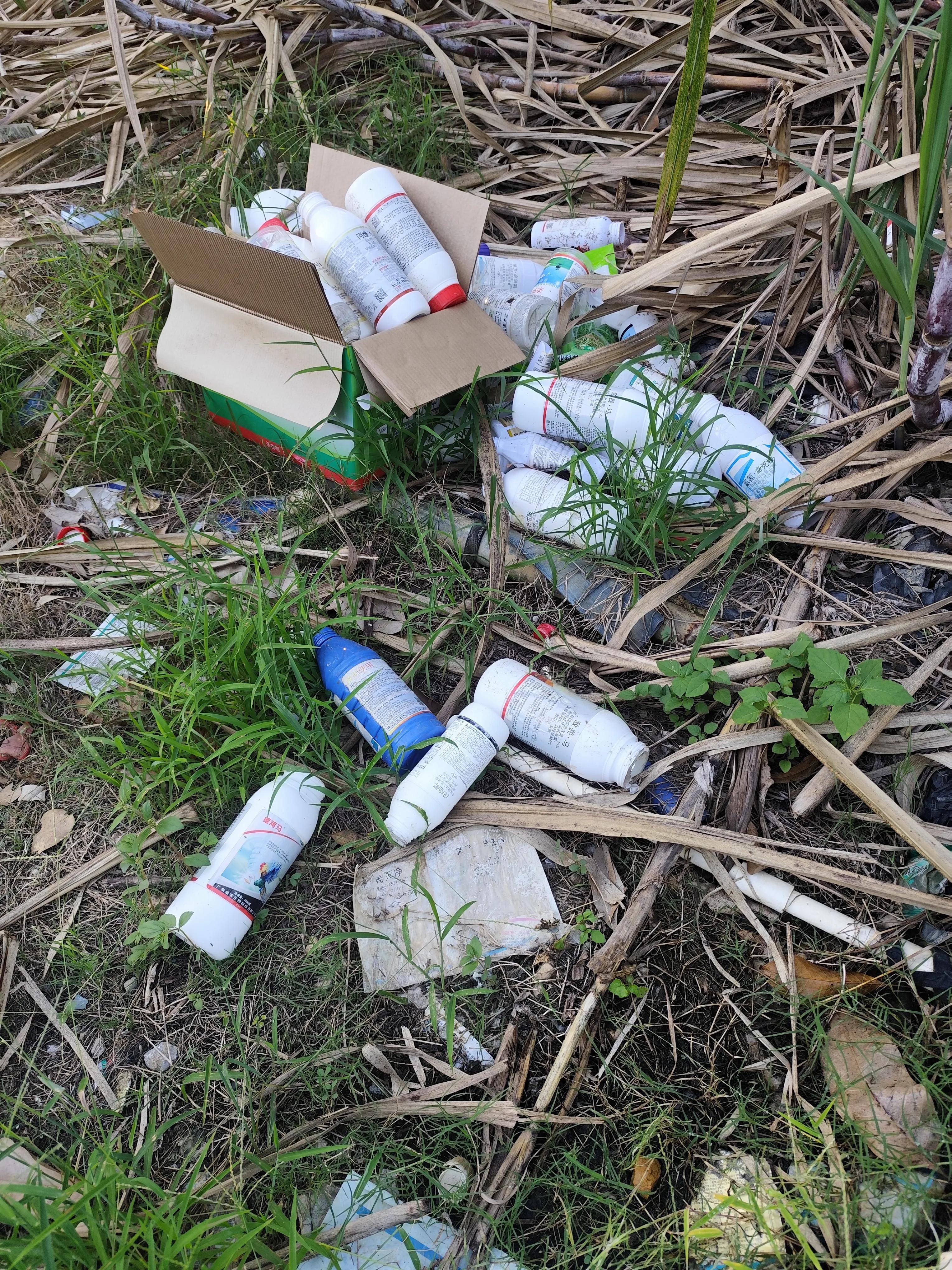
Do not think that the liquid is clean enough to empty the bottle, with a thin film residue on the inner wall, with one or two milligrams looking low and a high concentration of active ingredients. There was a rainfall that was residually dissolved into the field runoff and followed the drain into the pond. At the beginning of 2025, a water-quality test was conducted in the lake area of hunan toyon, with some of the canals containing organic phosphorous levels exceeding the standard of living drinking water by nearly twice, with the retroactive origin being the remnants of the surrounding farm packaging。
Fish, frogs and demersal worms are the first to suffer in the water, and the biomass of a ditch can be reduced. The contamination of groundwater is followed by repeated irrigated water with low concentrations of pesticides, the reduction of resistance of crop roots to long-term bubbles in the fields and a marked increase in the probability of detection of agricultural residues. Finally, the dirty bowl rolled down the food chain and returned to its own table。
It's too far away from the farm
In the evening or in the morning, a few hundred acres rush, and it is customary to throw a bottle after a blow. A lot of old farmers say, "does a bottle matter to you?" what is really stuck is the fact that some of the rural estates do not collect packaged waste, and the village does not have a special recycling box, saves a sack for a few cents, and loses it at once for hundreds of years。
Inadequate advocacy is also a major problem. In 2022, the ministry of agriculture and rural development promoted the pesticide packaging recycling system, requiring the food-producing counties to establish recycling sites, but the notification to remote townships was stopped in the village council loudspeakers. Those who work back in the village, the elderly who stay in the farm have no idea where the bottle will be delivered and no subsidies will be paid. The information fault makes "sling-in" the default option, year after year。
We'll get to the recycling point three times
Operational steps are not really complicated. After the medicine, the empty bottle was taken to the tap of the field, the water was poured into it for 10 seconds, and it was washed out into the spray barrel and then used, repeated two or three times. Finally, it took less than two minutes to re-utilize the remaining fluids in a plastic bag and to significantly reduce the direct impact on soil and surrounding water sources。
One hundred and twenty bottles are saved to the point where the "pesticide packed waste recycling" label is placed on the front door of a rural farm or village council. In henan, anhui and jiangsudo provinces, farmers have been reached at the village recycling point and then at the county level at the non-hazardous treatment centre, with some recovery subsidies ranging from two to thirty cents per kilogram. Bottles do not enter the general waste cans to be completely disposed of through chemical waste incineration or safe landfill processes。
One bottle holds a whole field
The essence of putting these things together is not to put the cost of handling on the next person. The glass you threw on the field was the foot of a neighbor's kid who passed through school, and the venom you poured into the ditch was the pond where the fish were raised three kilometres downstream. Farmland ecology is fragmented, and water without any land is managed by one person, as is pollution。
The national pesticide packaging recovery rate in 2025 had been above 60 per cent, but the field had seen many wild bottles. The worst thing is that everyone down there takes it as a fixed move to wash up three more times and save a bag. The clean fields are not made by a banner, but by the tens of thousands of people who make more than 10 seconds a day, and they accumulate less。
Did you ever see untreated pesticide bottles by the fields or ditches when you went down to work? Have you set up a collection point in your village? Can you deliver the bottle? The comment area is welcome to talk, and if it feels useful, it can be passed on to relatives and friends who have planted their land next to them。









