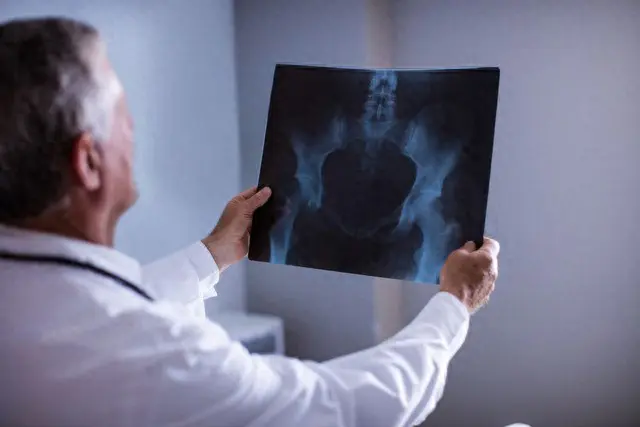
The bone is brokenIt is the loss or interruption of blood supply to the bone, which causes bone cell failure, changes in bone structure, and, if not intervened in a timely manner, post-mortem collapse, which leads to joint malformation and restriction of activity. In order to mitigate the collapse, it is necessary not only to rely on drugs or surgery, but also to “reduce” and “continue” for the bone, from day-to-day care to the full management of treatment。
First, strict weight control and reduced bone pressure. The bone is a key part of the body's weight, which accelerates the loss of the cartilage and bone structure and induces collapse. Early patients should avoid long periods of standing and walking, with fewer stairs and liftings, and if necessary with crutches or walk aids, so that the bone is “lower stress”; in the case of mid-term and late-stage patients with visible pain, they can rest in bed for short periods under the supervision of a doctor, but be careful to turn around regularly to avoid causing scabies. After one patient diagnosed with early malfeasance, he insisted on daily exercise, and six months later the review found that there was an increased risk of a bone collapse, adjusted to "twig + slow walk" after that, the condition became stable -- a reasonable reduction, the first line of defense that slowed the collapse。
Secondly, it regulates treatment and improves bone blood supply. Inadequate blood supply is at the core of bone failure, and timely improvement of blood supply can slow the rate of bone cell failure. Early patients can use drugs (e. G. Anticondensants, bone metabolisms) that improve the cycle, promote bone repair, or stimulate the regenerative of angiogenesis through physical means such as high-pressure oxygen treatment, shock wave therapy, etc.; if the condition has evolved in the medium term, minor bone structural changes can be considered for intervention treatment (e. G. Marrow pressure relief) to reduce internal pressure in the bone and create conditions for recovery. It needs to be noted that there is no room for “shoring” and that irregular treatment may miss the optimal intervention and accelerate the collapse。
Third, scientific exercise to enhance joint stability. While the weight is to be controlled, a total lack of movement leads to muscle contraction and lowers joint stability. Patients, under the guidance of a doctor or rehabilitationer, may exercise a non-burdened rehabilitation exercise: for example, “ straight-legged lifting” (with a double-legged lift of 5-10 seconds at a time) to exercise the four-headed muscles of the body; and “alleg stretches” (to the point of the foot reaching itself again, repeating 10-15 times) to promote circulation of the lower leg. The exercise has to be gradual, avoiding excessive or excessive movement, using the principle of "no pain" and indirectly “protecting” the bones by enhancing muscle strength。
Fourth, adjustmentLife habits, avoid aggravated damage. Tobacco use leads to vascular constriction, further reduction of the blood flow from the bone, drinking can affect bone metabolism and aggravated bone failure, both of which must be strictly removed; while severe physical activity (e. G. Running, jumping, crouching) is avoided, which can cause a shock pressure on the bone; and daily heating, which can cause an vascular convulsion and affect blood supply. In addition, weight control is crucial - body overweight increases the burden of bone weight, and obese patients need to reduce their joint pressure gradually through a reasonable diet (low fat, high fibre, appropriate protein)。
Progress towards the death of a bone is a slow process, and the reduction of the collapse needs to be sustained over the long term. Patients are subject to periodic review (one hip x-line or mri examination every three to six months) to adjust the programme to the changing circumstances. The four points of "reducing, providing blood, securing joints, changing habits" are sufficient to slow the collapse to the greatest extent possible, preserve joint functions and improve the quality of life。